Starting from the west, Jordan begins hundreds of meters below sea level along the Jordan River and Dead Sea, rises almost straight up to a high plateau that comprises most of the kingdom, and higher into the western spine of mountains, which tend to be the most temperate and hospitable of Jordan’s climes. It’s in those heights where you’ll find the 1% of Jordan that is forested, including the Ajloun Forest Reserve.

Last week, we were high in the northwest corner of Jordan at Umm Qais, and today found us a little south of there, in the mountains of Ajloun. I spent some time here with Mr. Fellow last summer, and at about 1,000 meters above sea level, it was relatively cool for summer in Jordan. Still, in the early August afternoon heat, there were no flowers – not even my beloved thistles had retained any color – and precious few birds to see. I knew I would be back this year.
The Reserve
Ajloun Governorate is the second smallest governorate in Jordan, but also at the highest elevation, which makes it one of the coolest regions of the kingdom. In the park, biodiversity is thriving! Ajlun Forest Reserve was set aside in 1987 to preserve the kingdom’s precious forests and their denizens. The park is home to a number of rare mammals, including stone martens, golden jackals, porcupines and Persian squirrels, and roe deer reintroduced from Turkey. It has also been declared an Important Bird Area for its avian biodiversity.
The forest is mostly scrubby, scrappy evergreen oak trees, as well as carob and terabinth, interspersed with the burgundy trunks of strawberry trees. The other spots of color we found last summer were the bright red berries of persimmons, and mustard-yellow lichen clinging to branches.


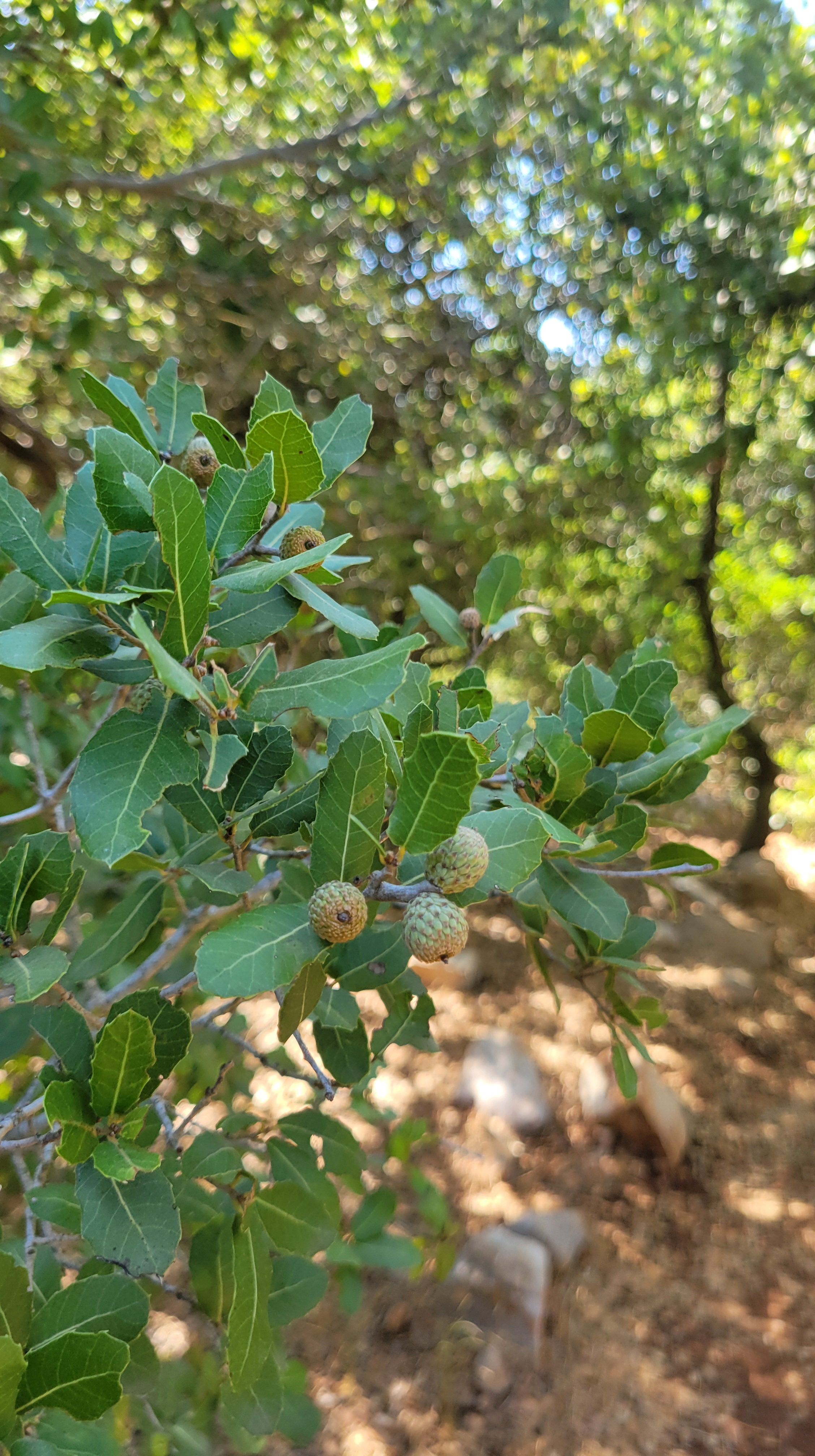


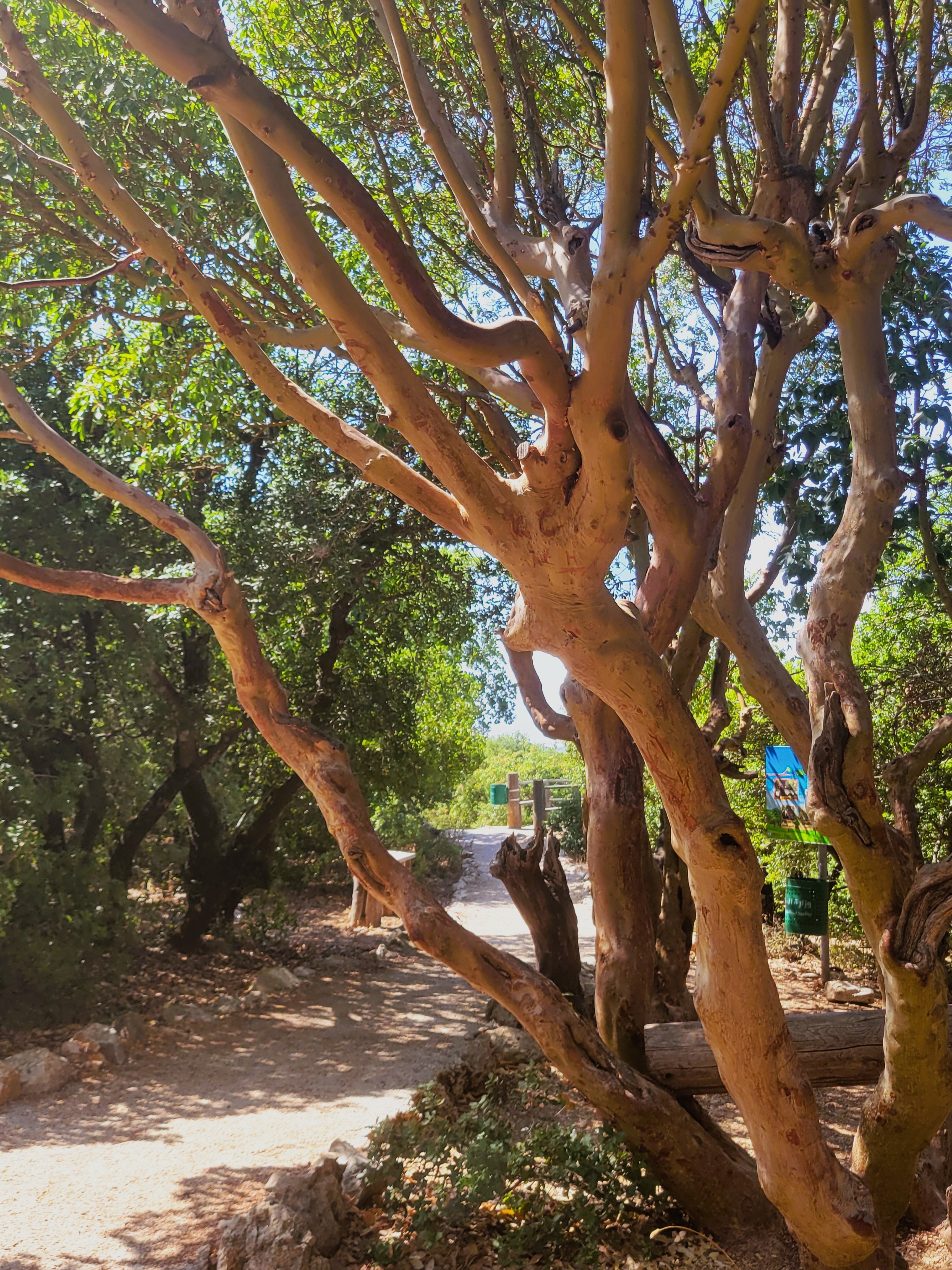
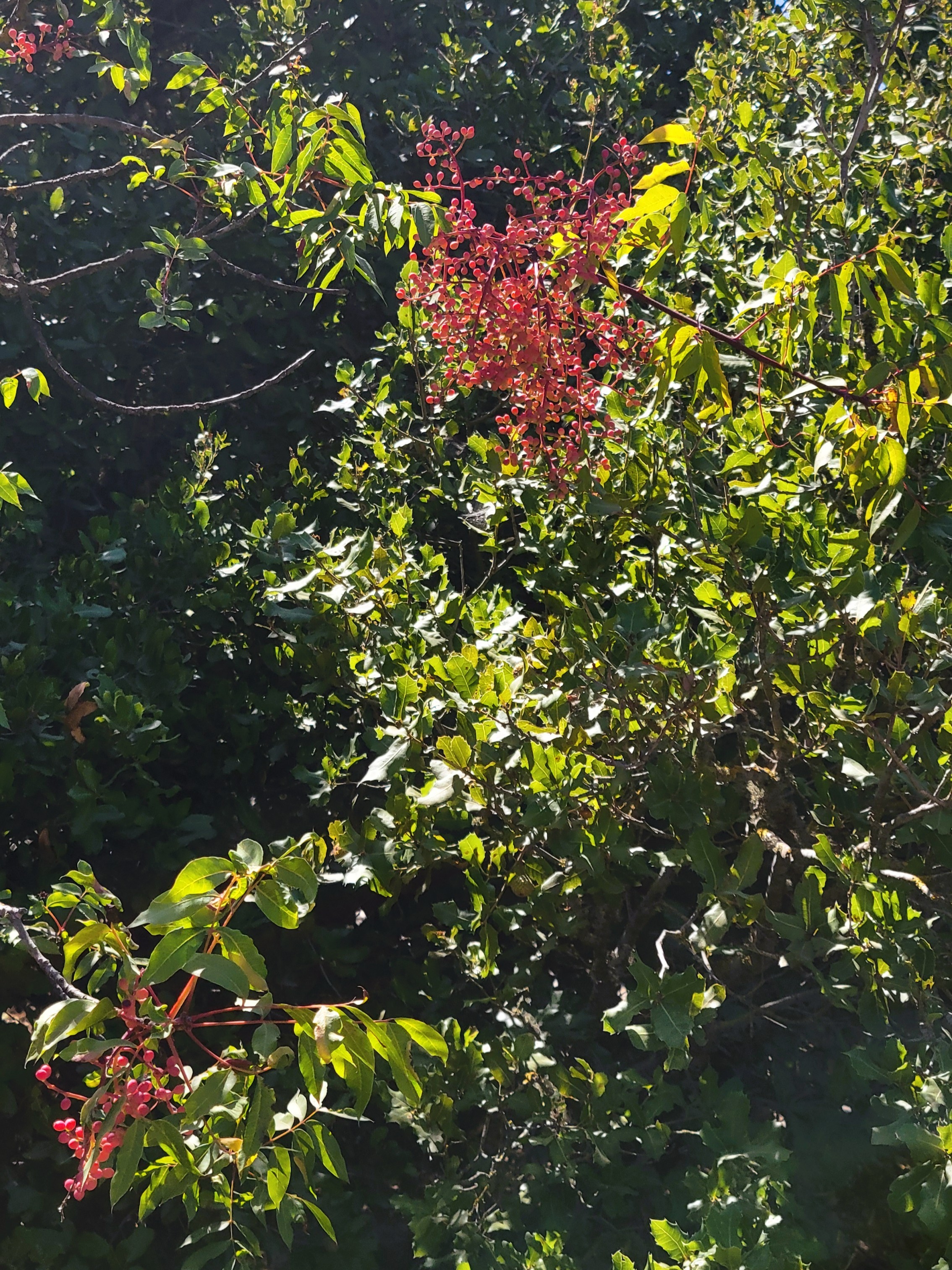
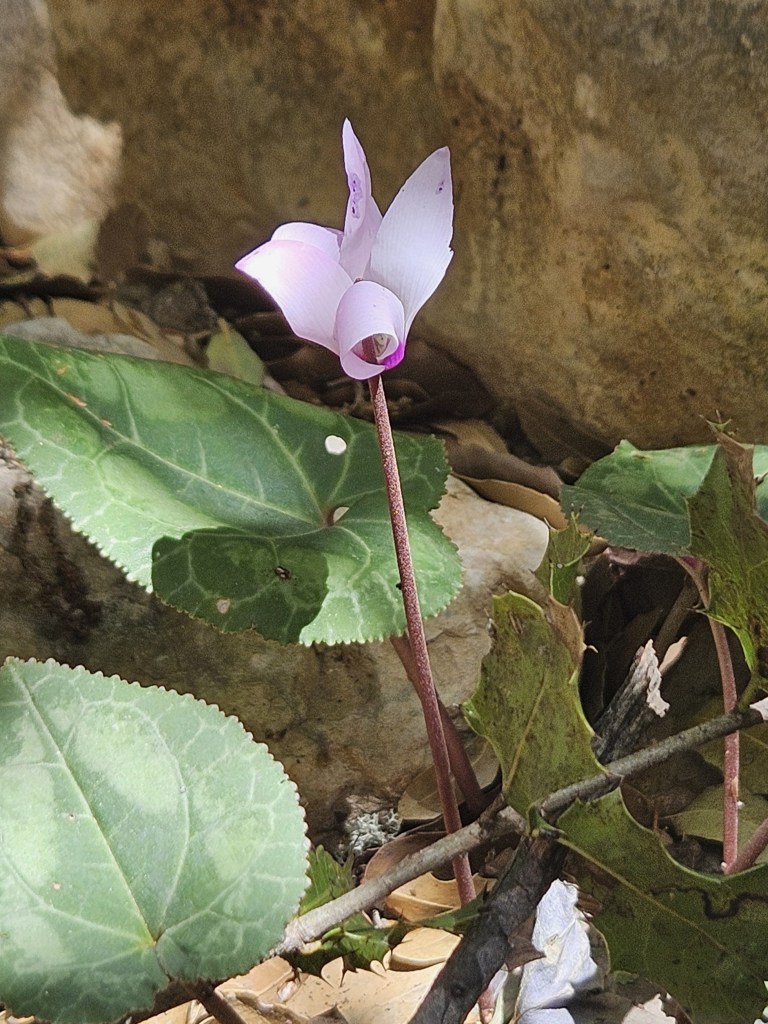
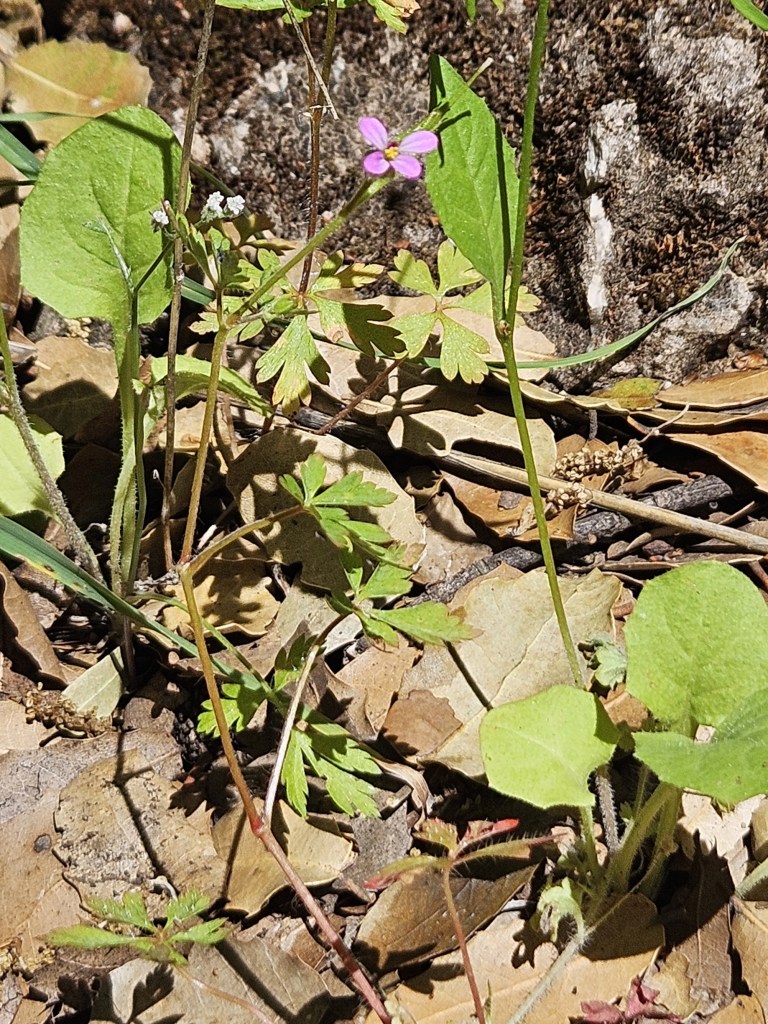
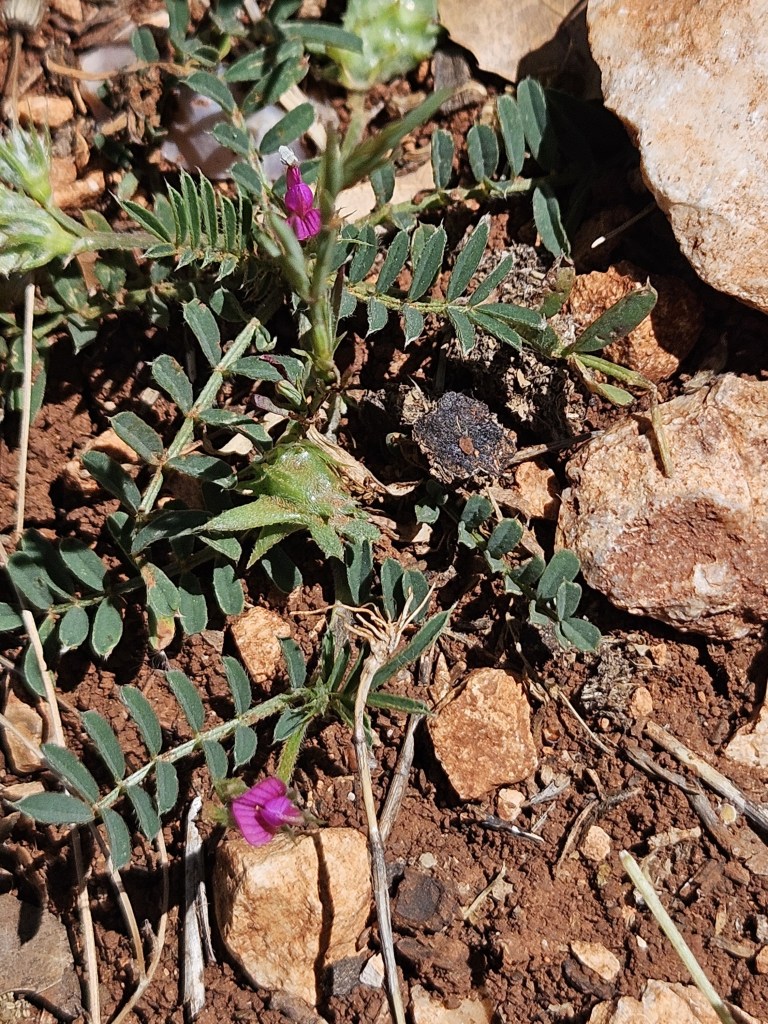
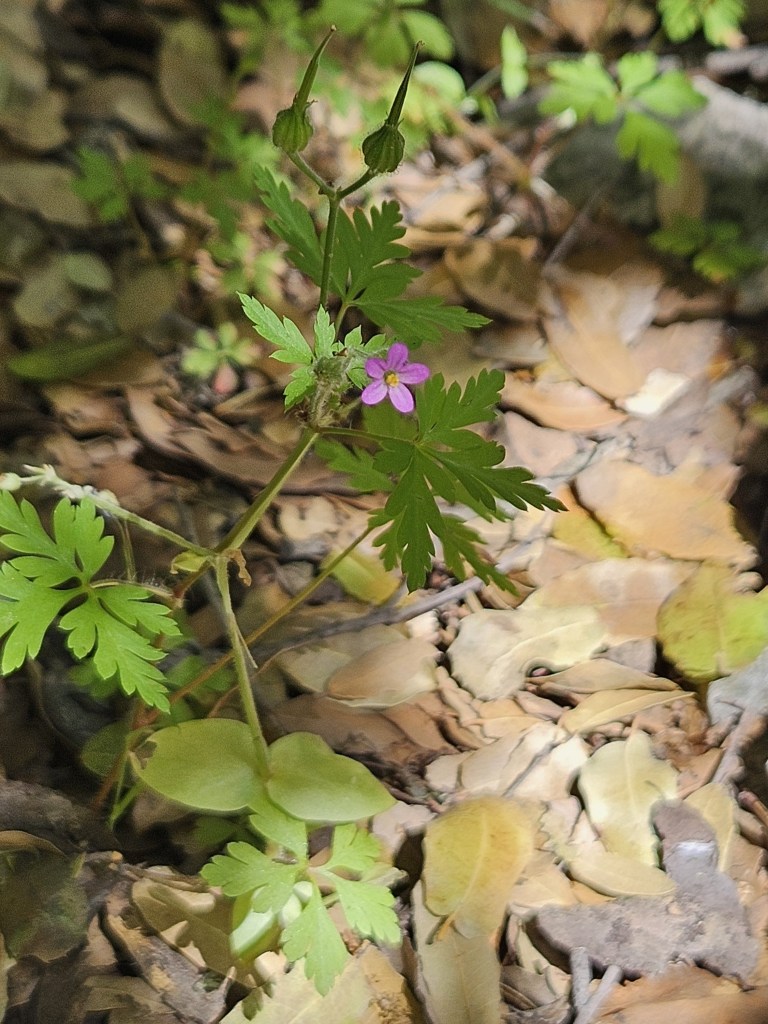
This year, our timing was very different. On another excursion with the Royal Society for the Conservation of Nature (RSCN), this time without Mr. Fellow but with some Fulbright colleagues, today we arrived at the Ajloun Forest Reserve for our leisurely guided hike of the 5 km Rasoun Trail at the height of color, deep in the heart of wildflower season.
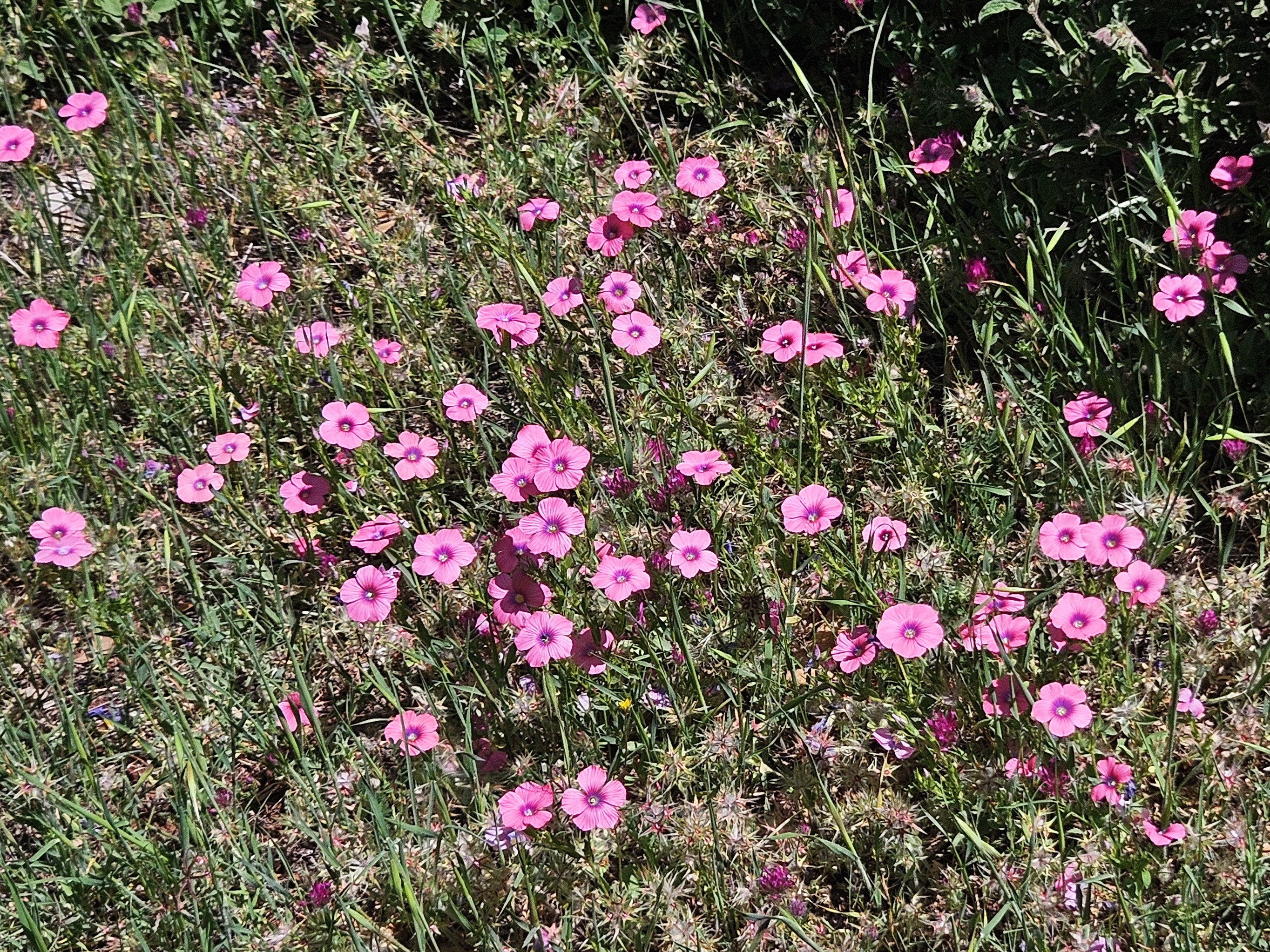
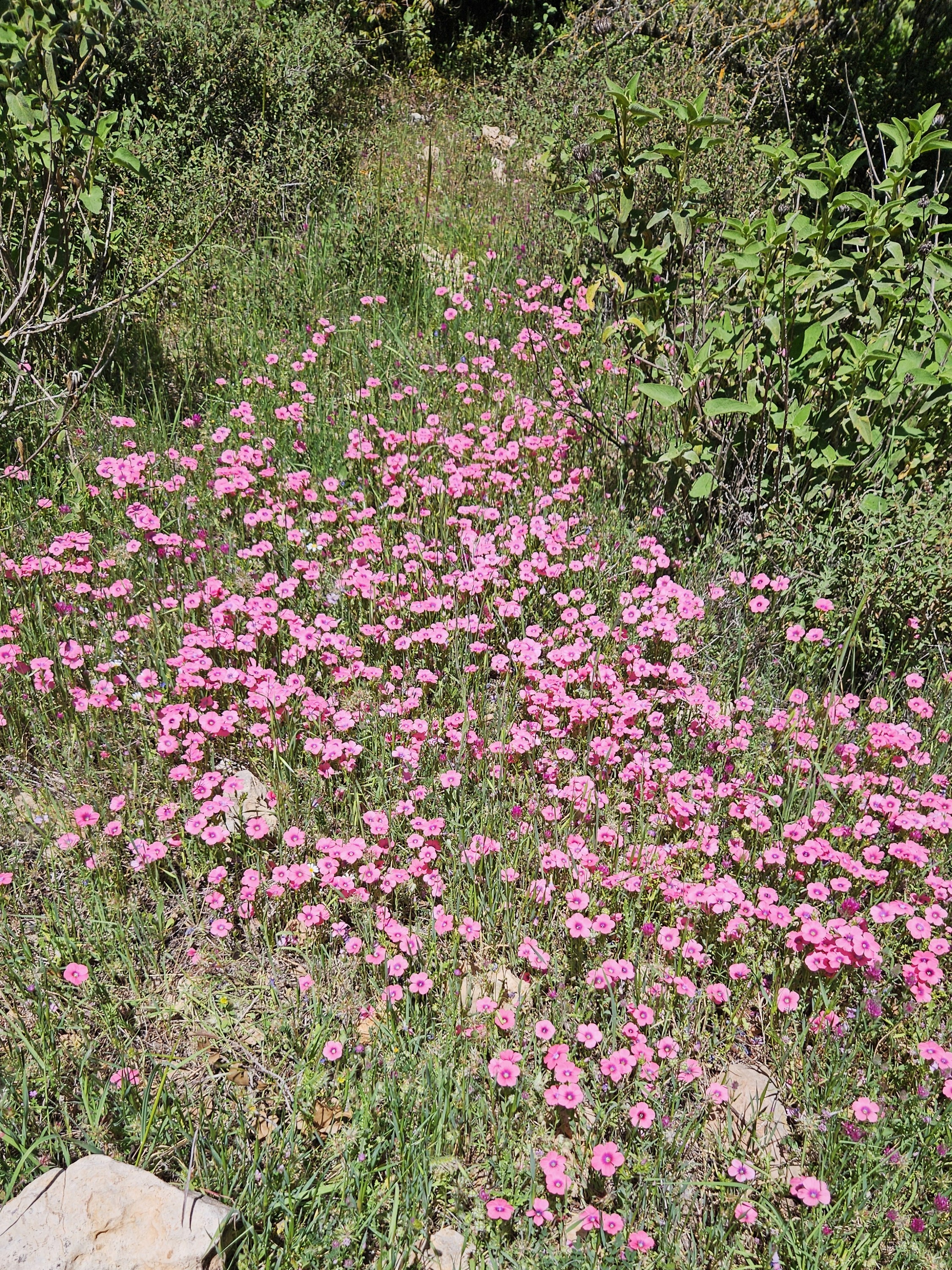
Hairy Pink Flax

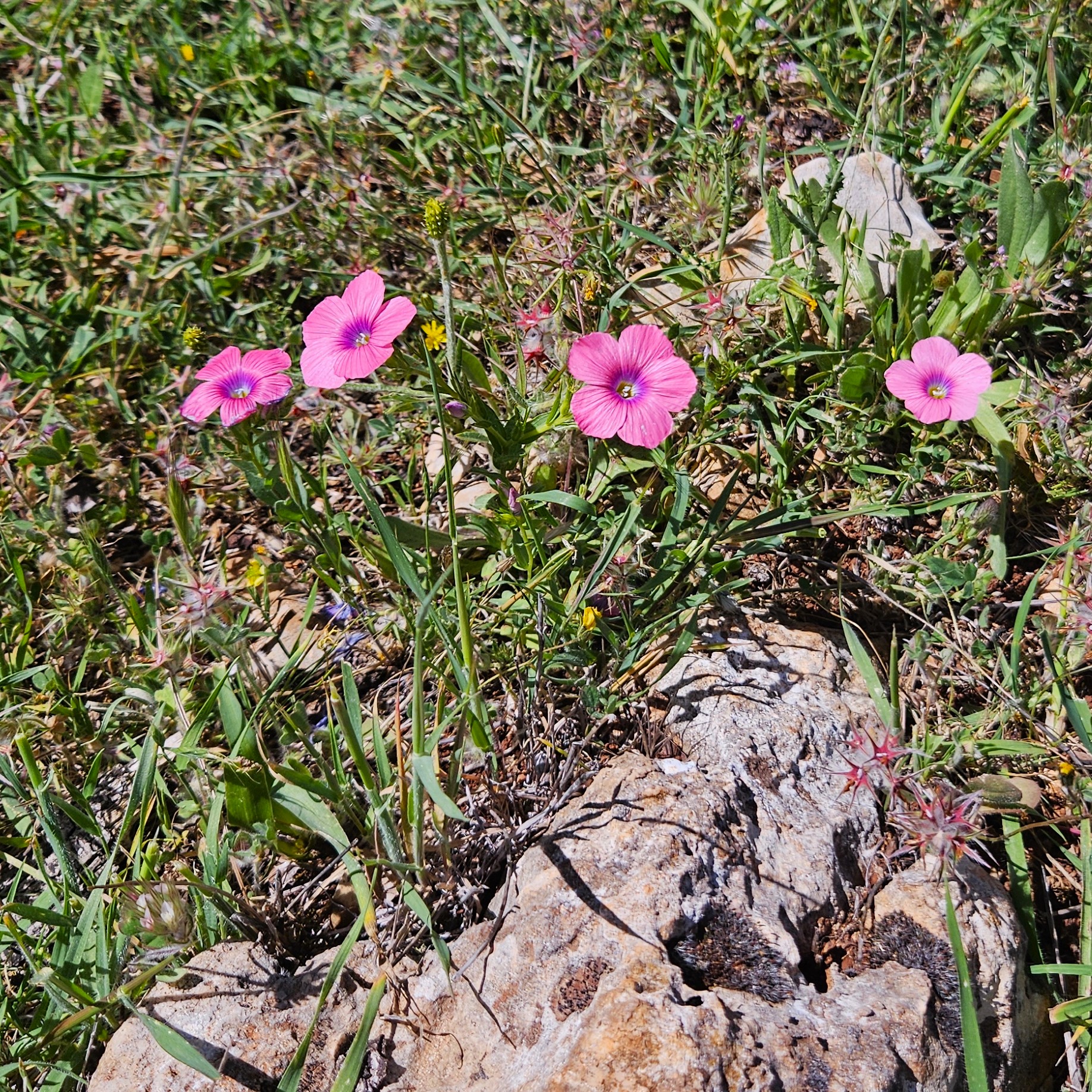

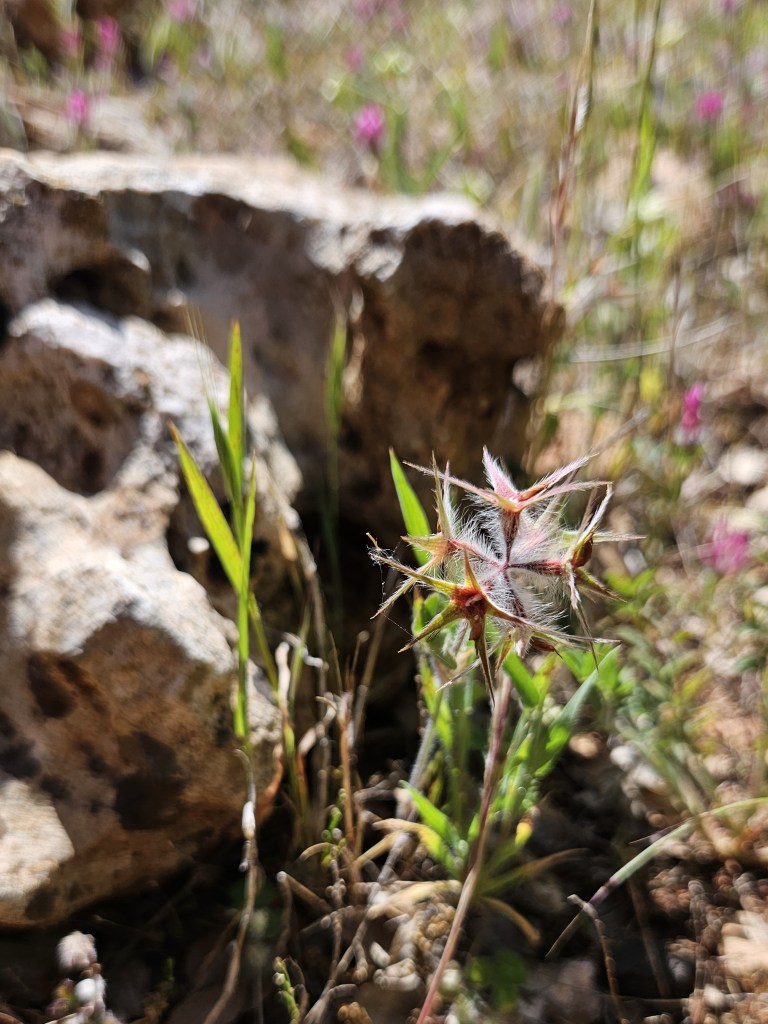
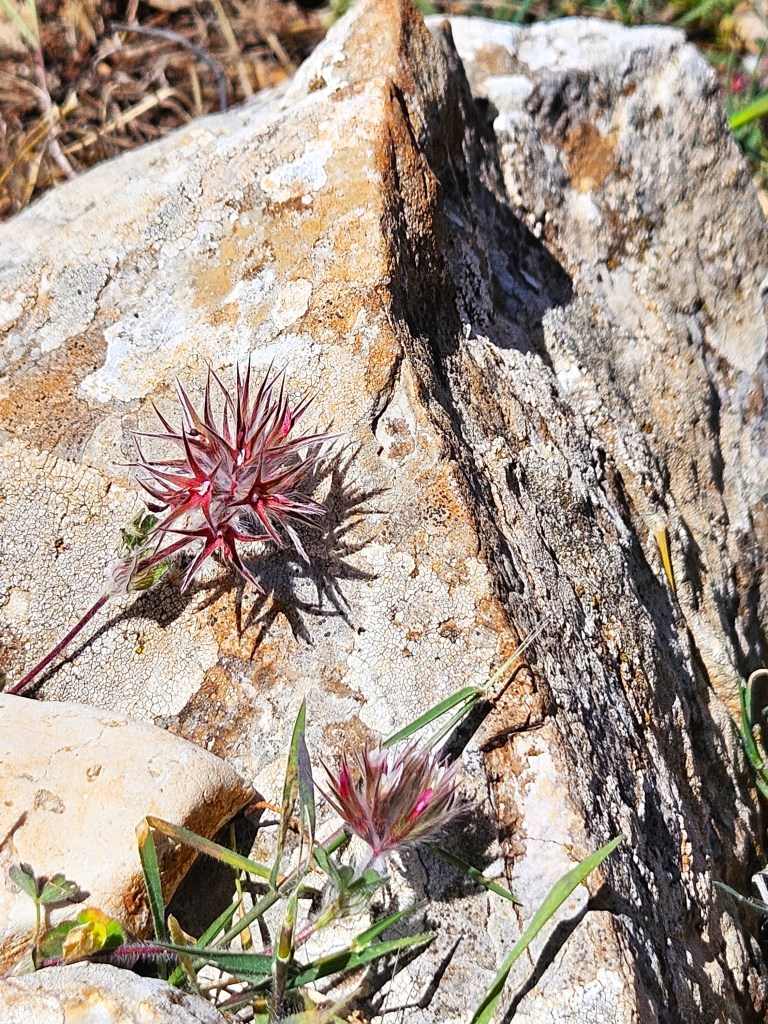
Clovers


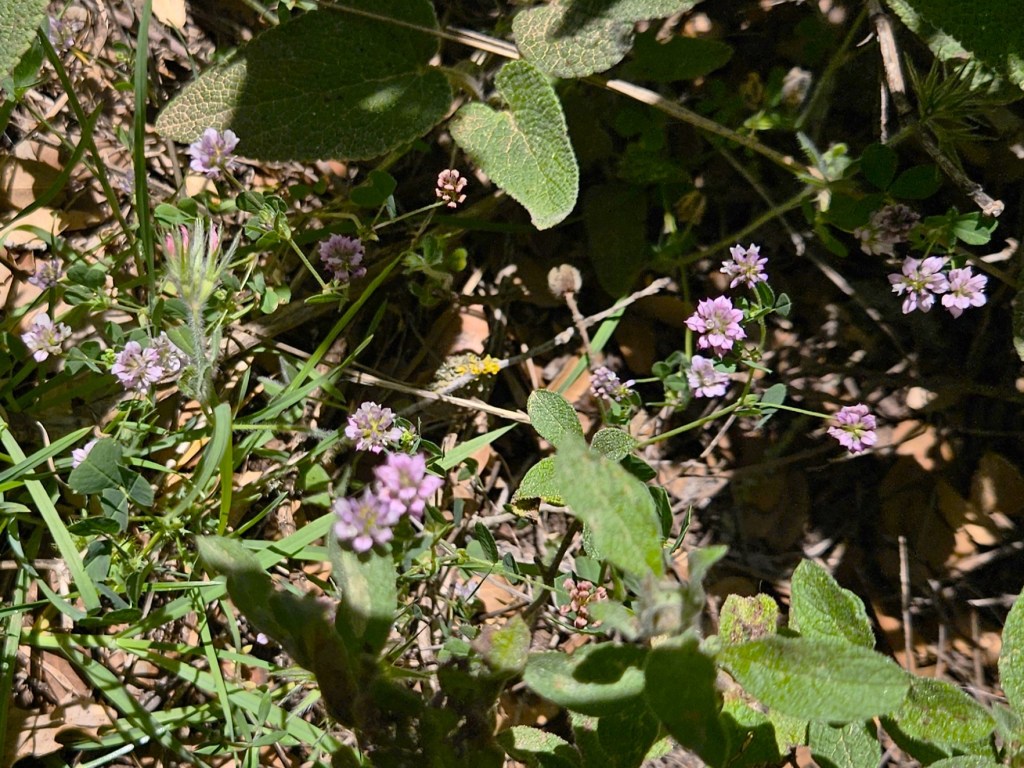

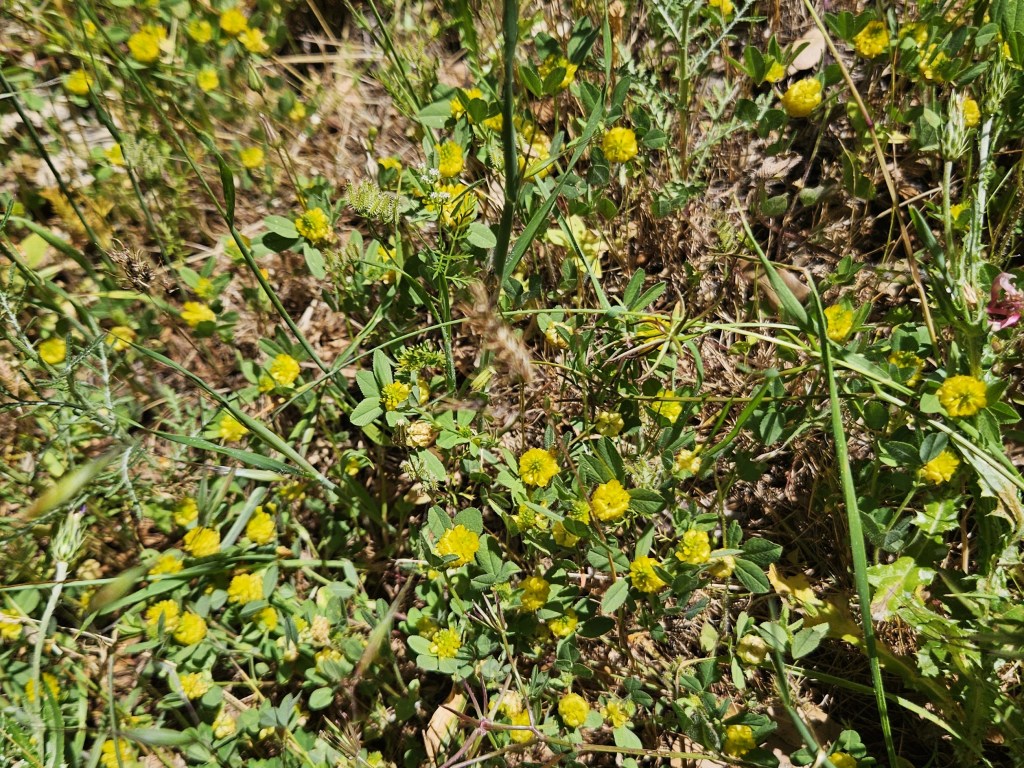
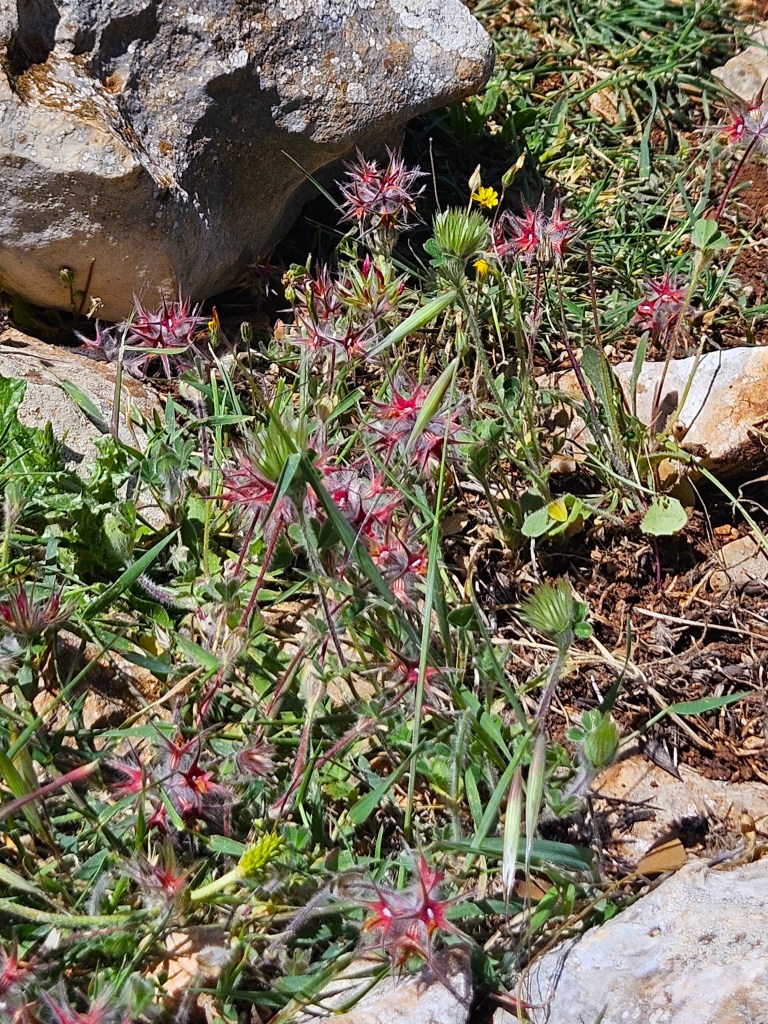


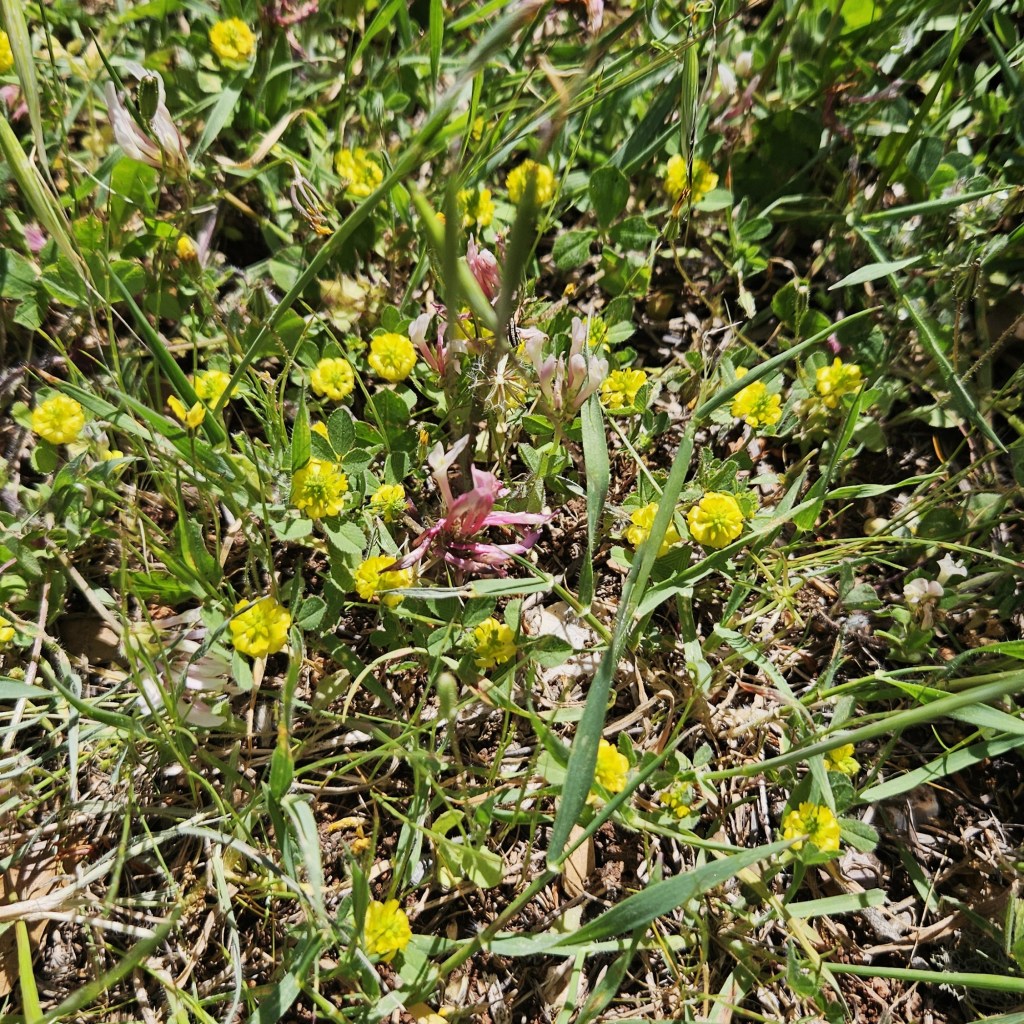


Blue scarlet pimpernel
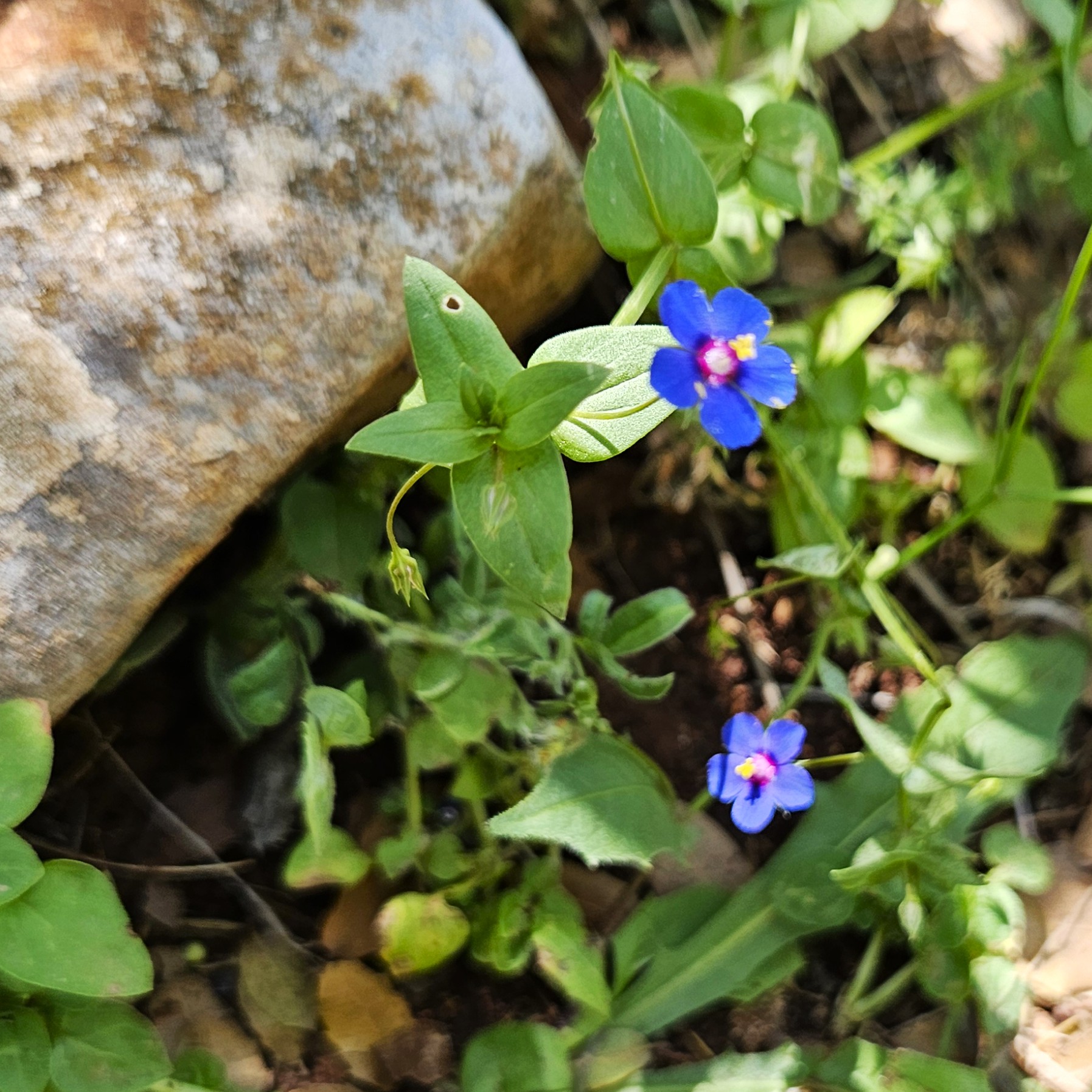
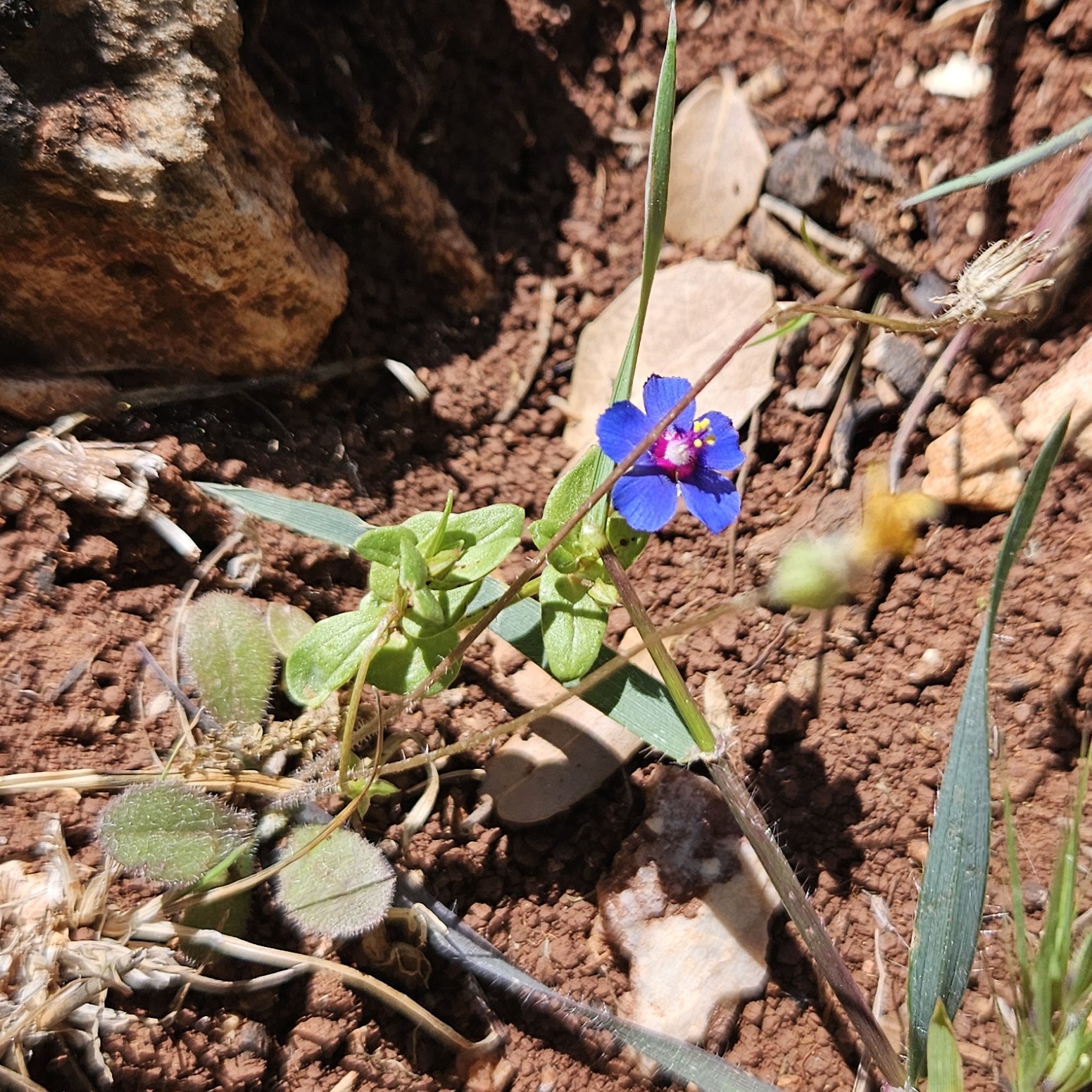
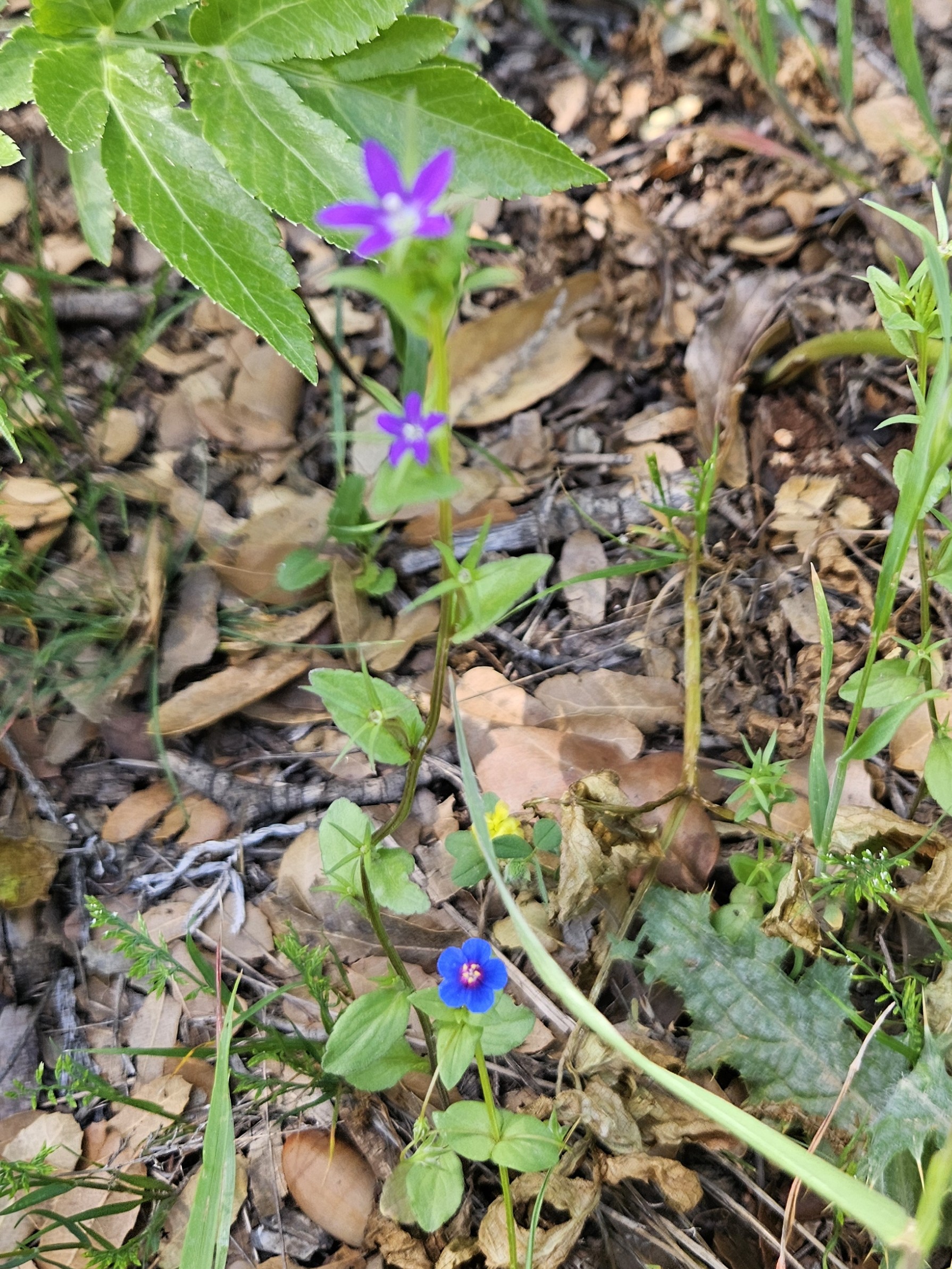


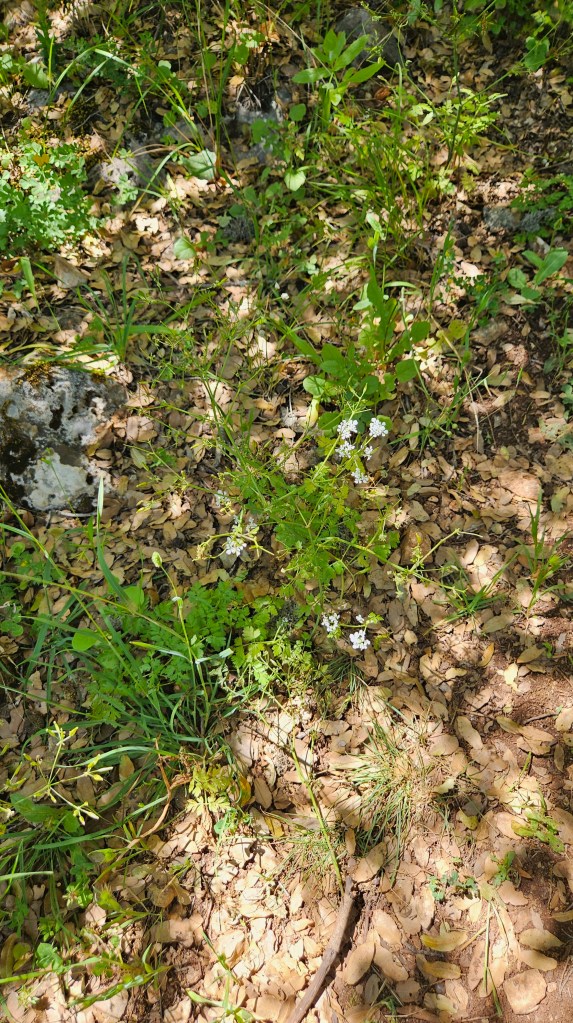
Pink Flowers


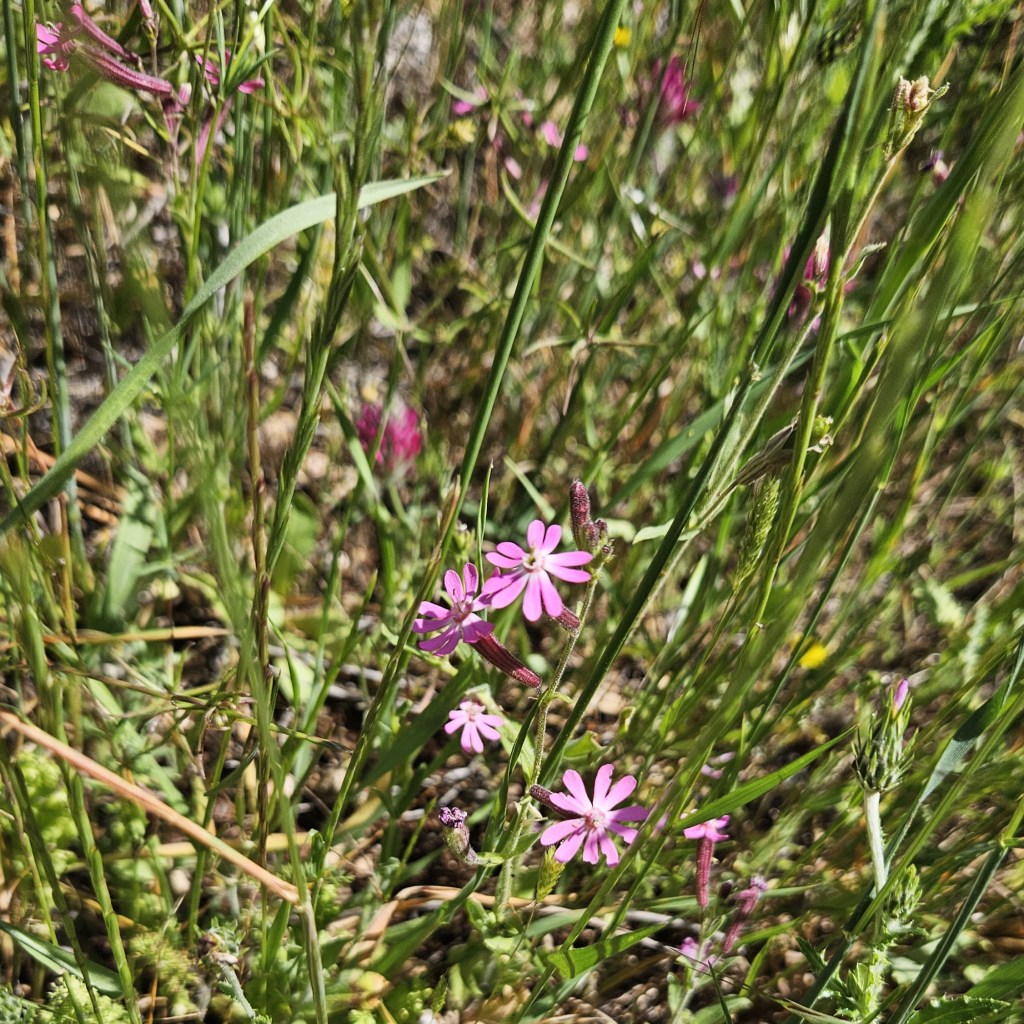
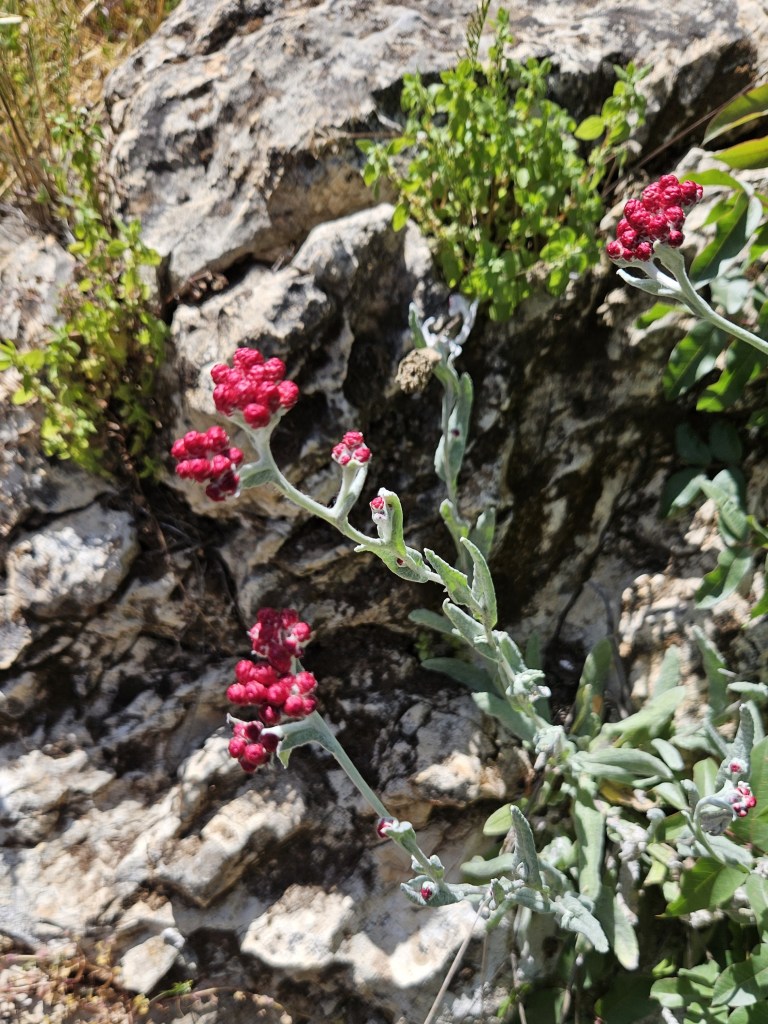

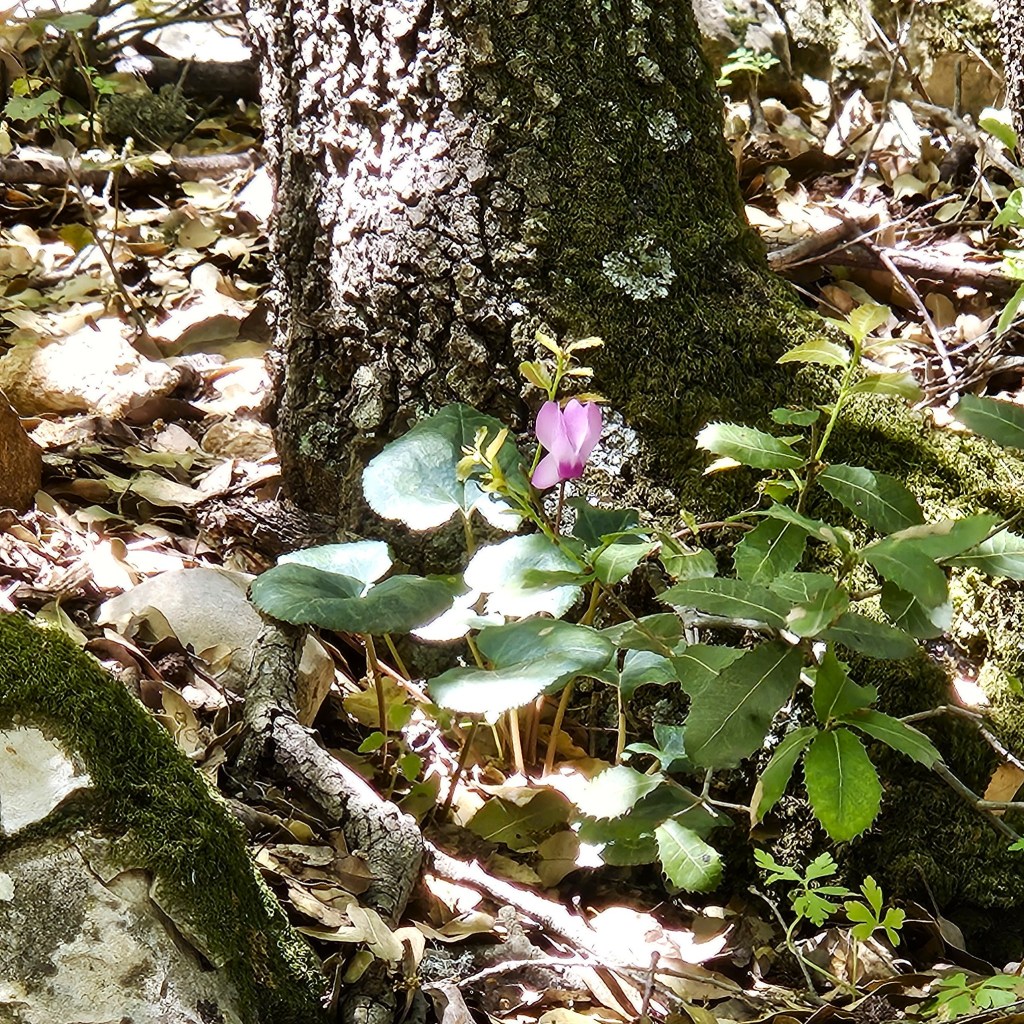

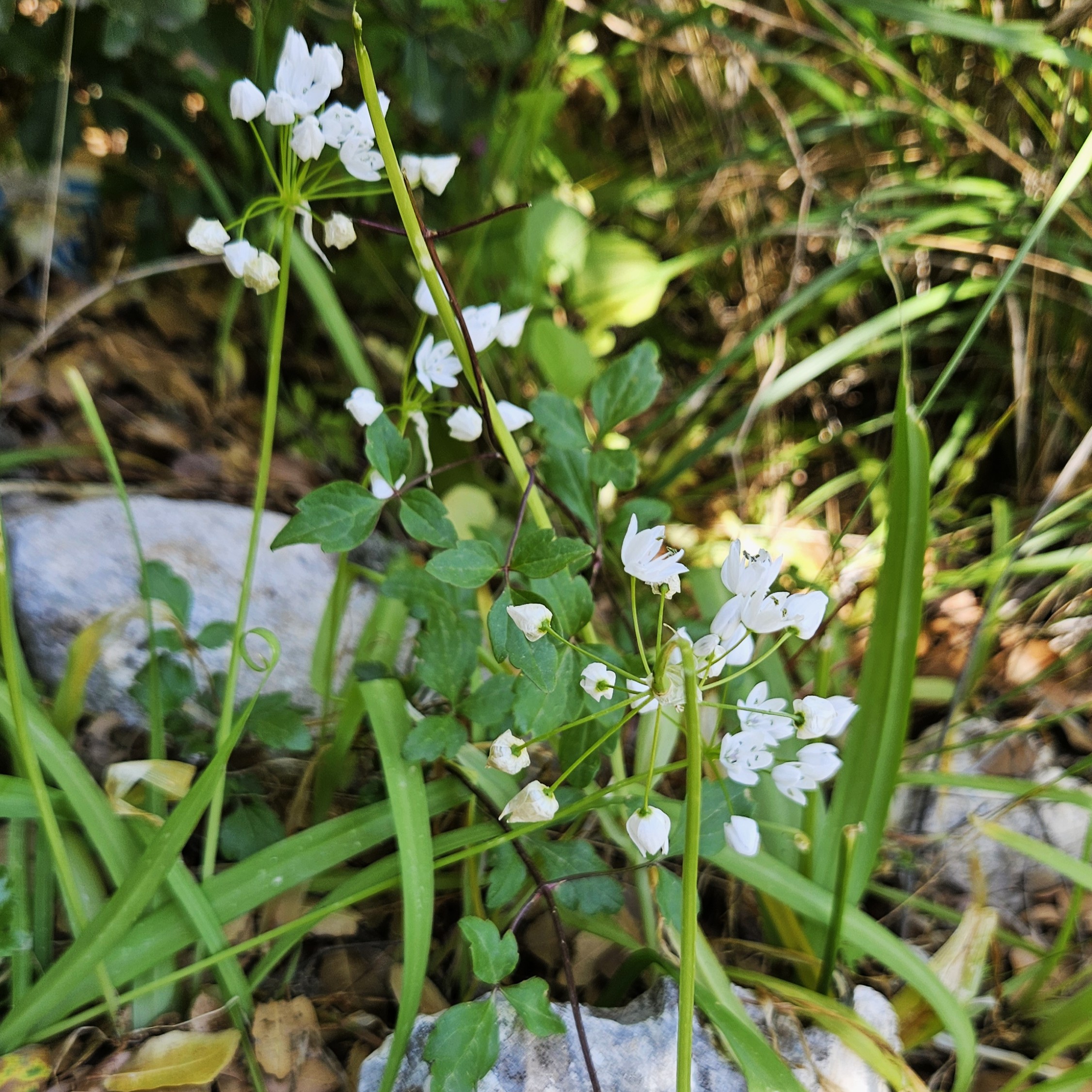
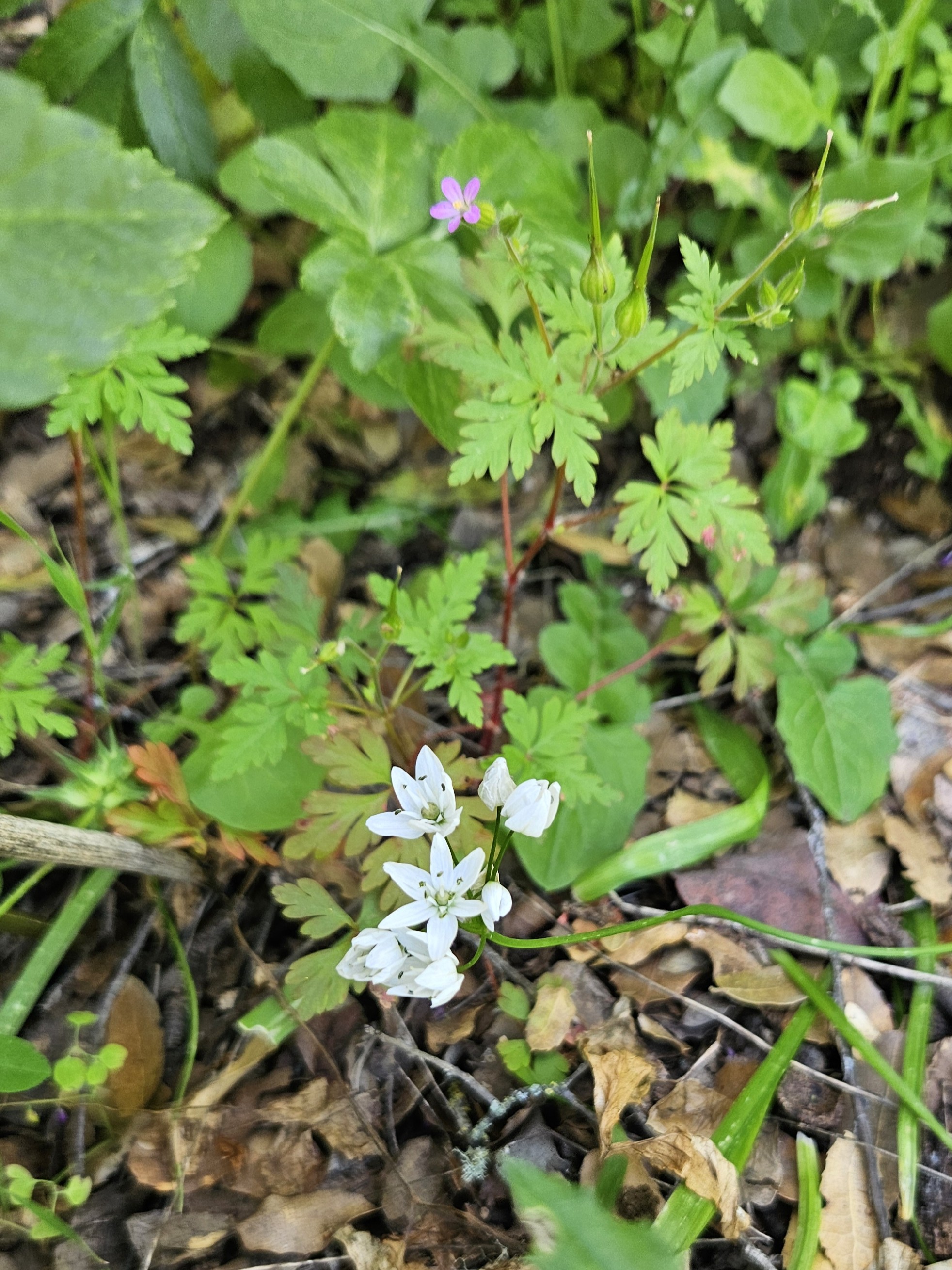
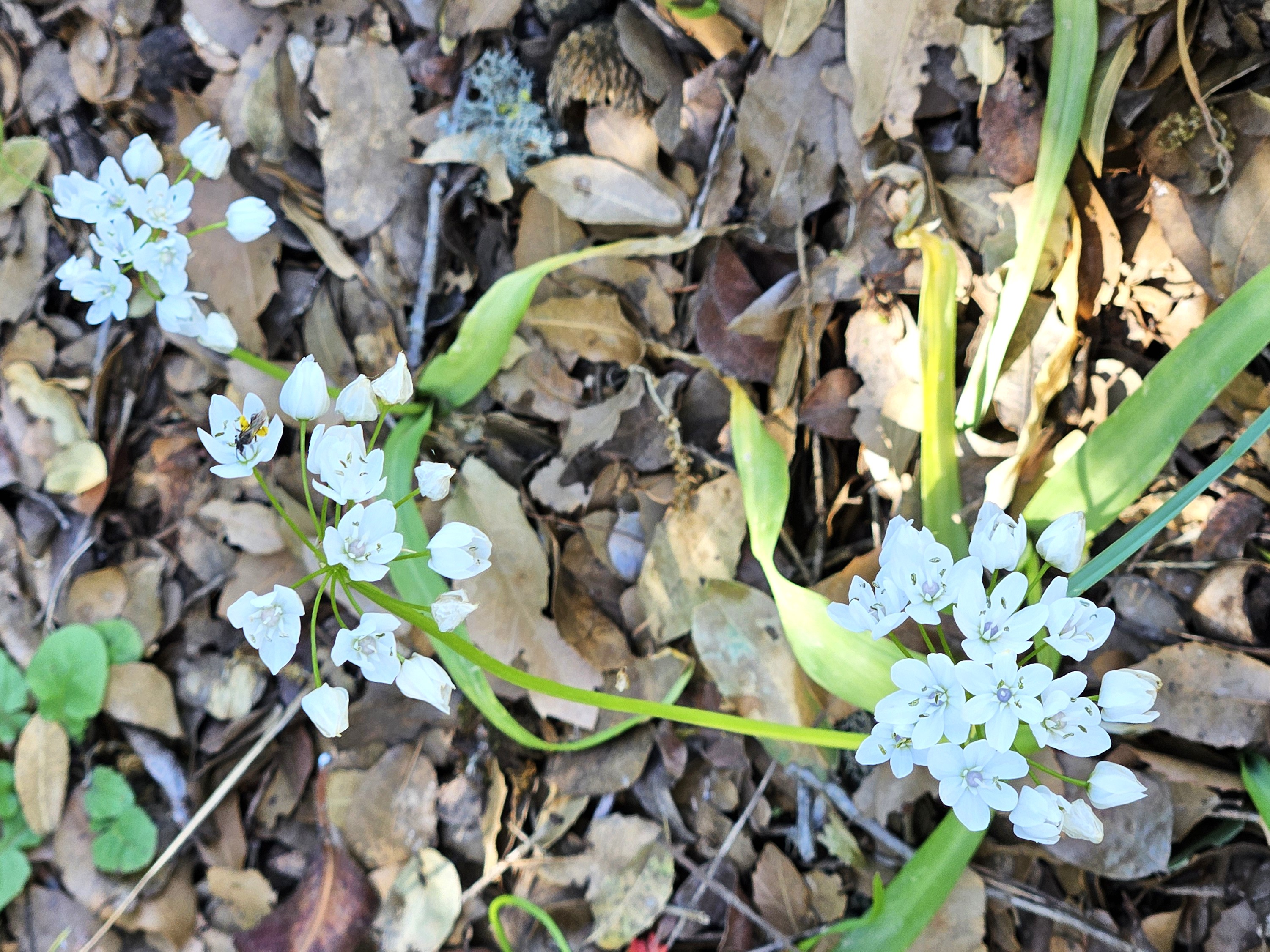
Wild Garlic

Thistles
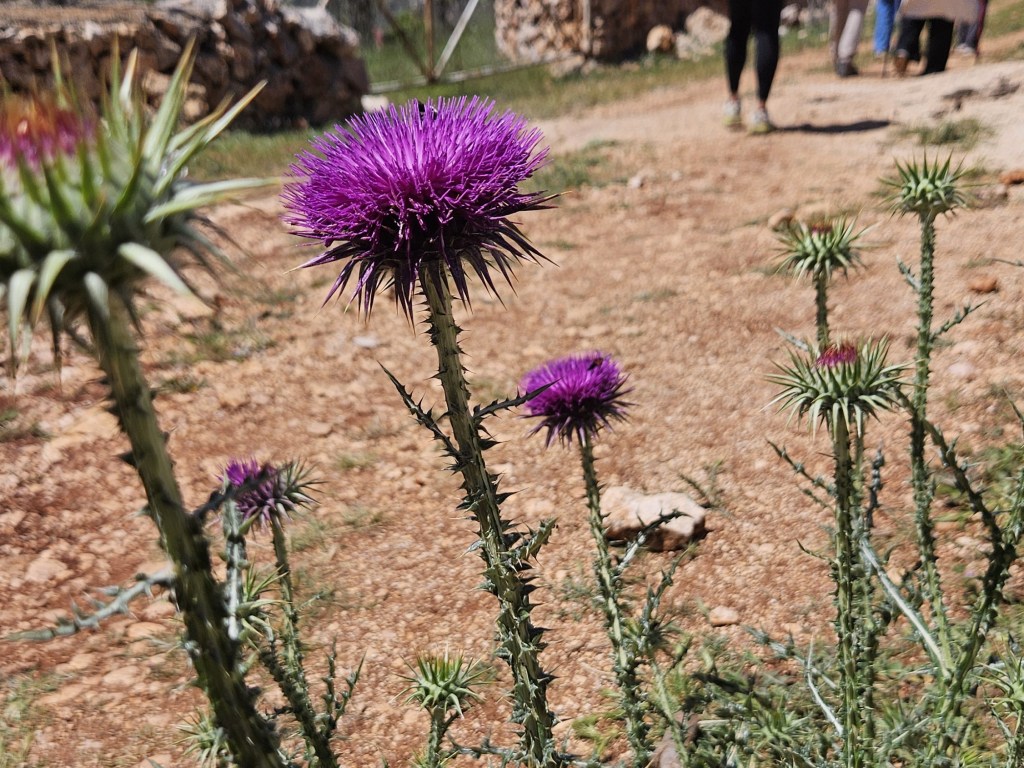

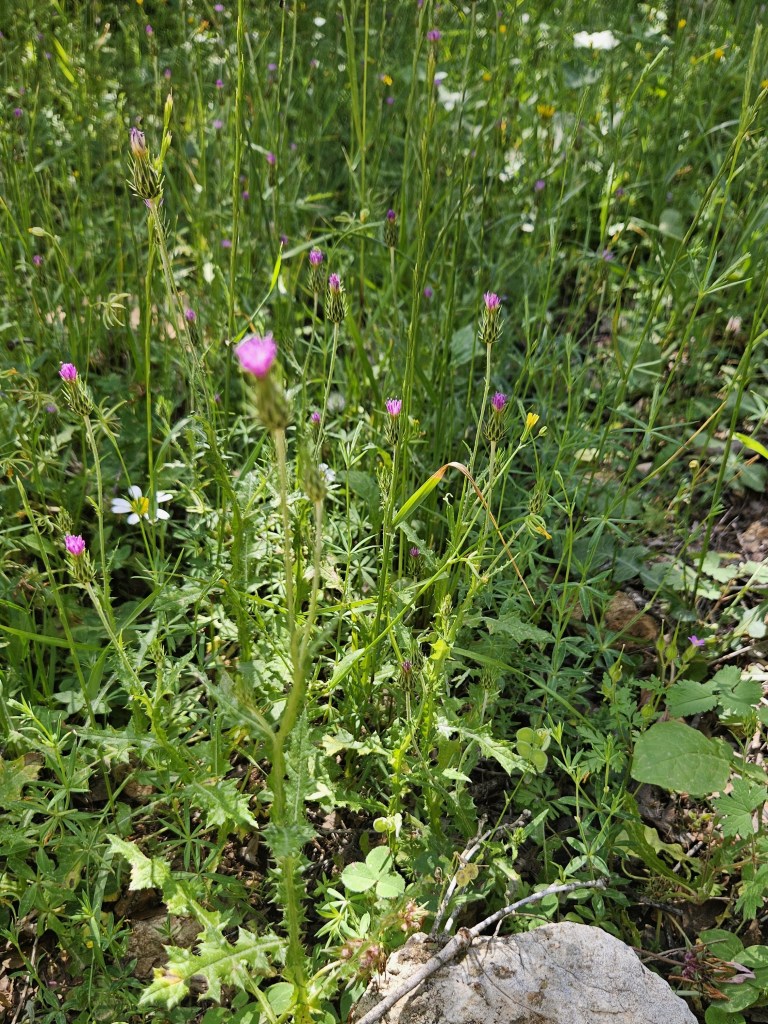
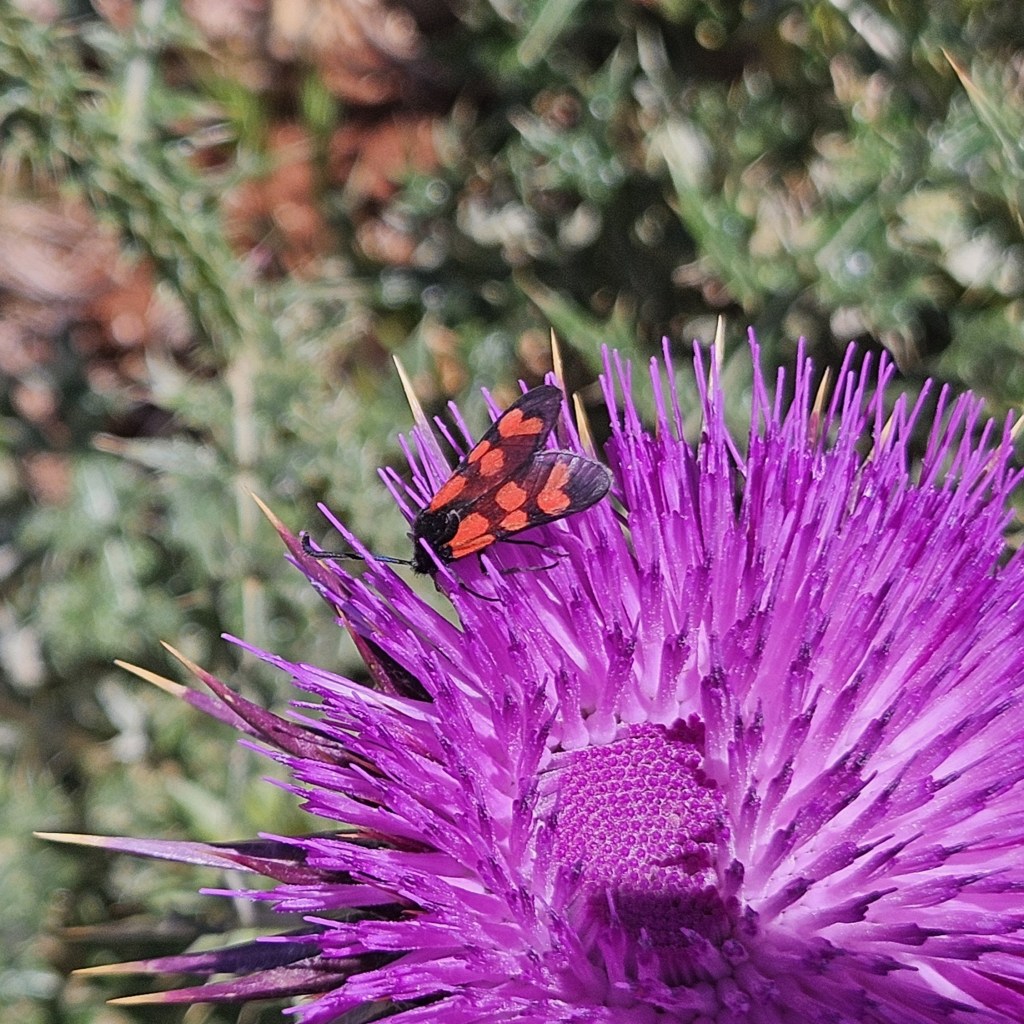
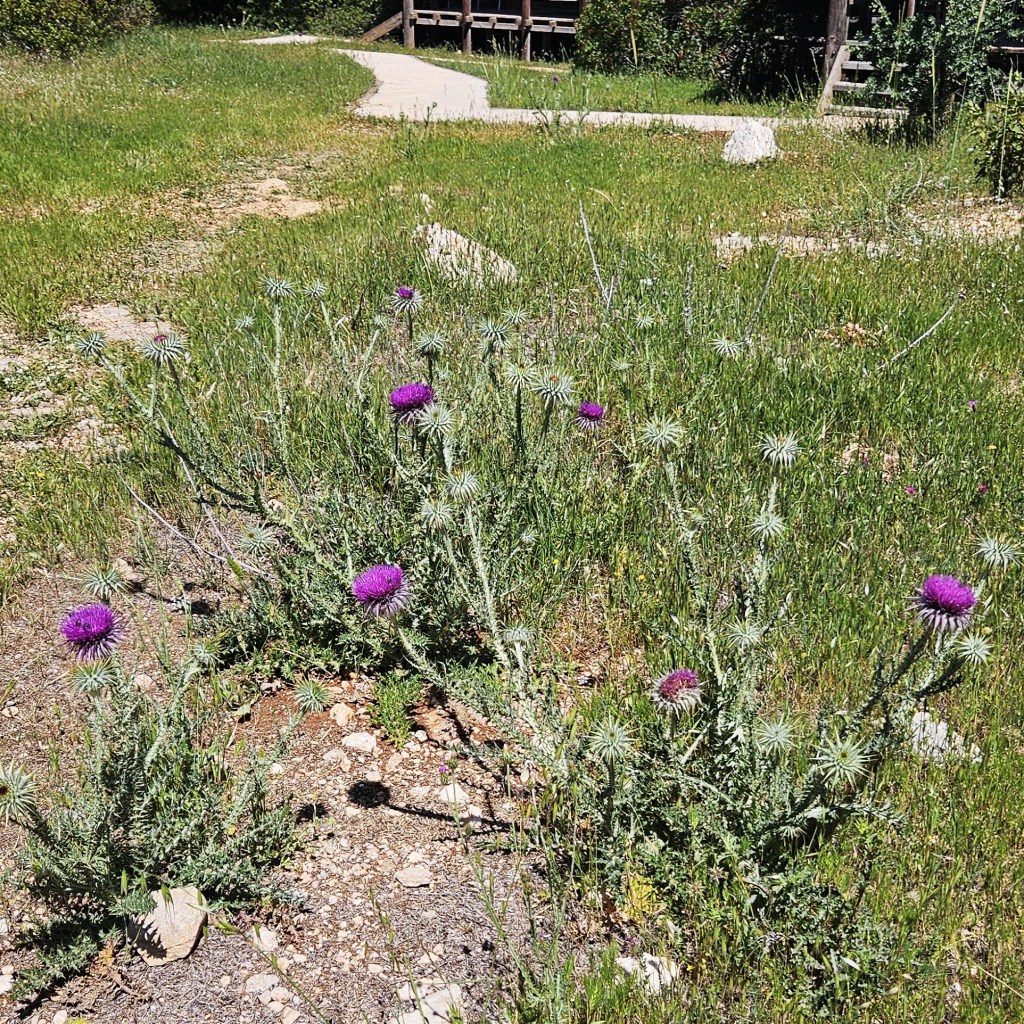


It’s not obvious in April, when everything is green and blooming, and in high, cool Ajloun that green lasts a lot longer than in other parts of the country. Most of Jordan’s green, though, is ephemeral, lasting a few weeks in April and May and fading quickly to brown. That’s when it becomes clearer why the thistle is my favorite Jordanian flower. With its deep taproot, the thistle retains its purple and sage green well into midsummer, and serves as a reminder that we can thrive even in difficult times if we dig deep and hold on.
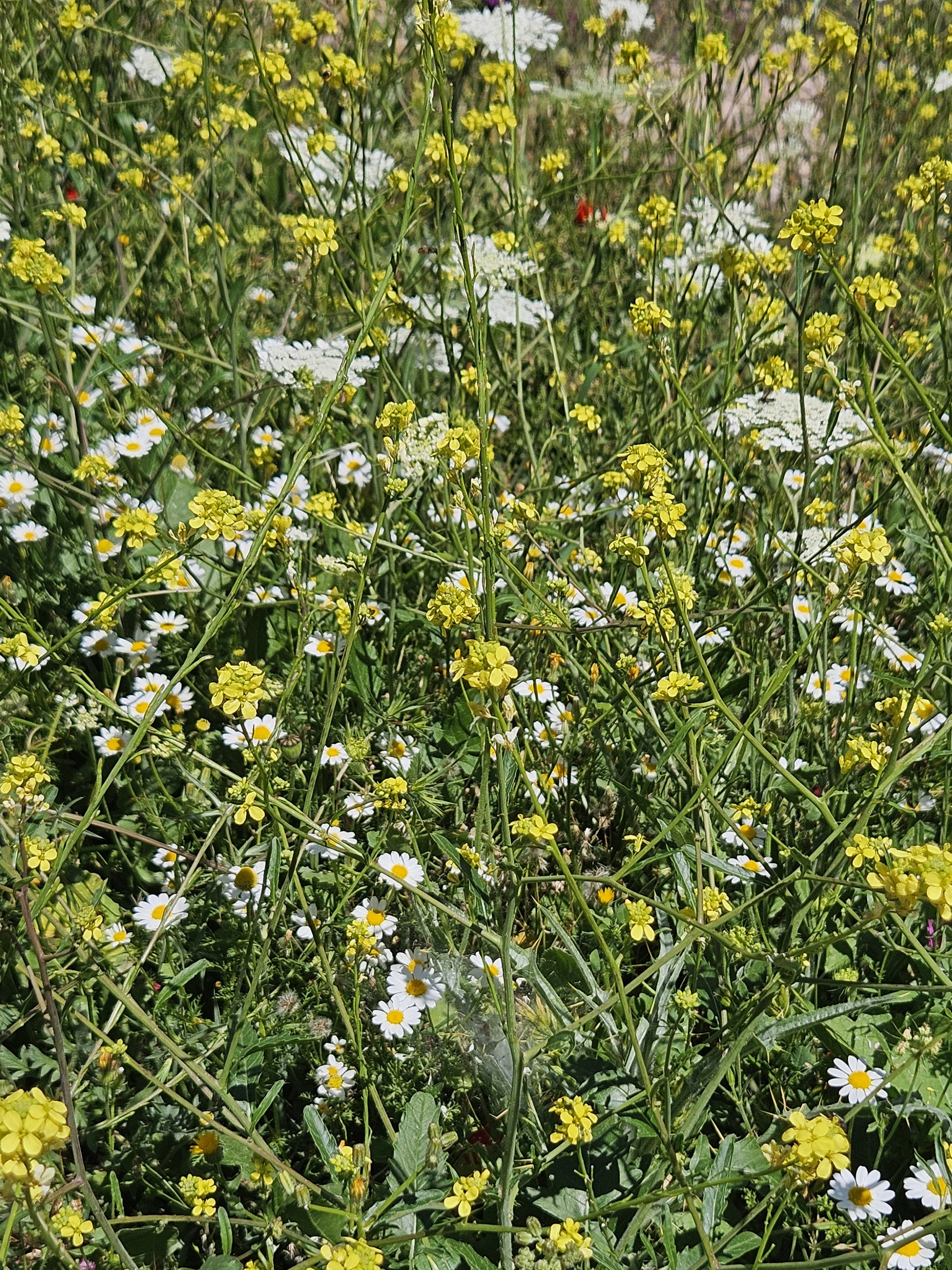
Mixed Flowers
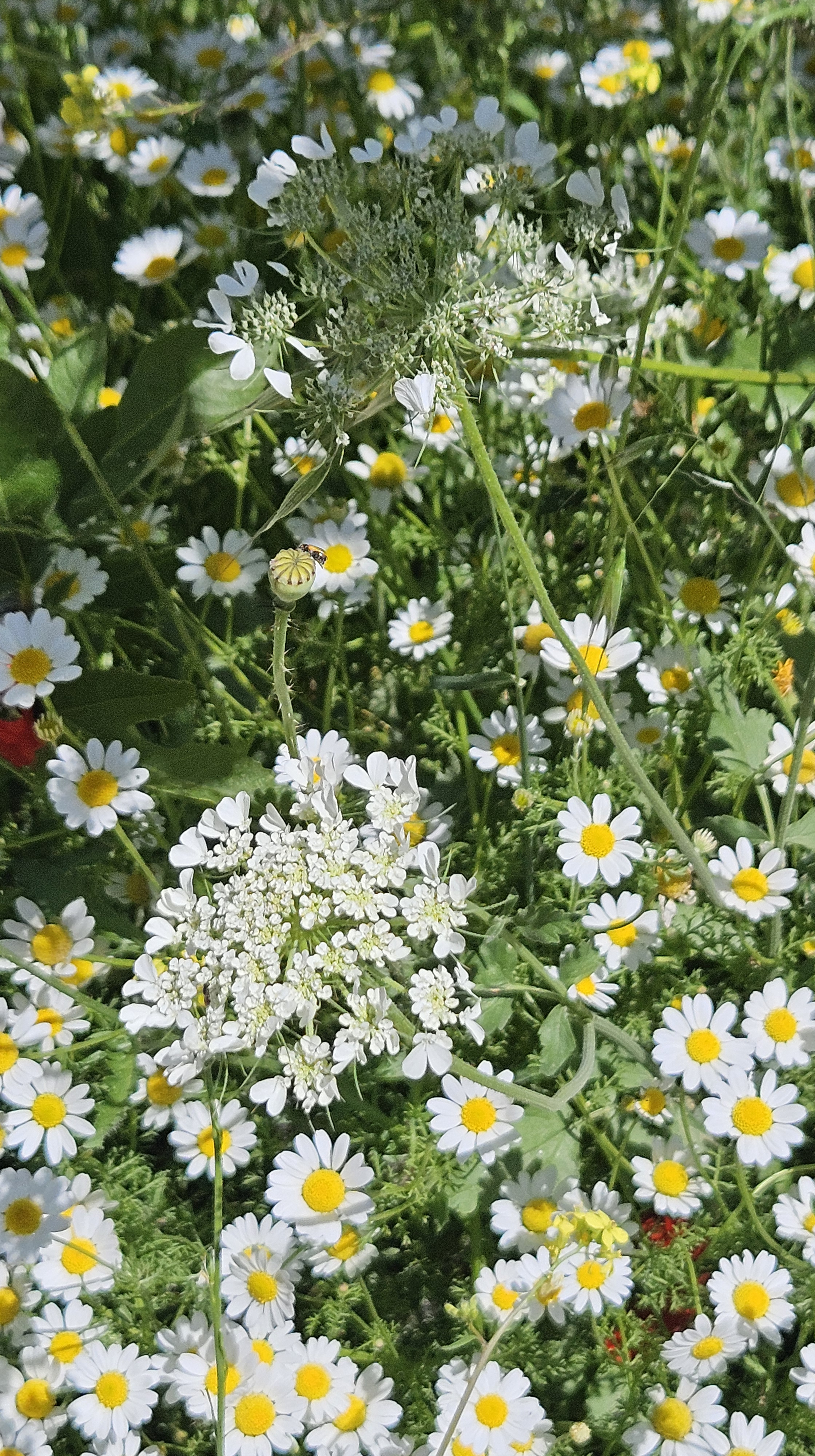


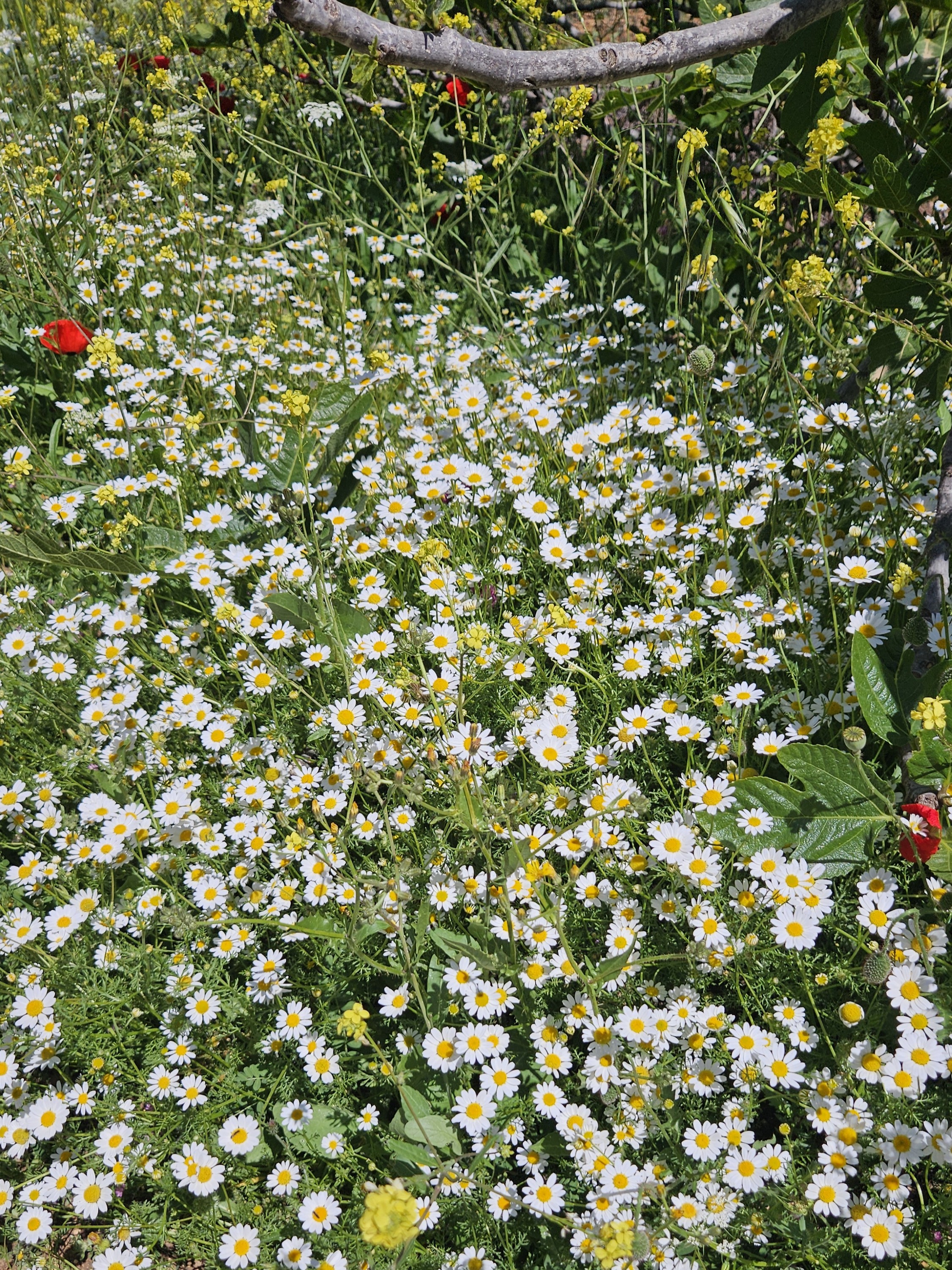
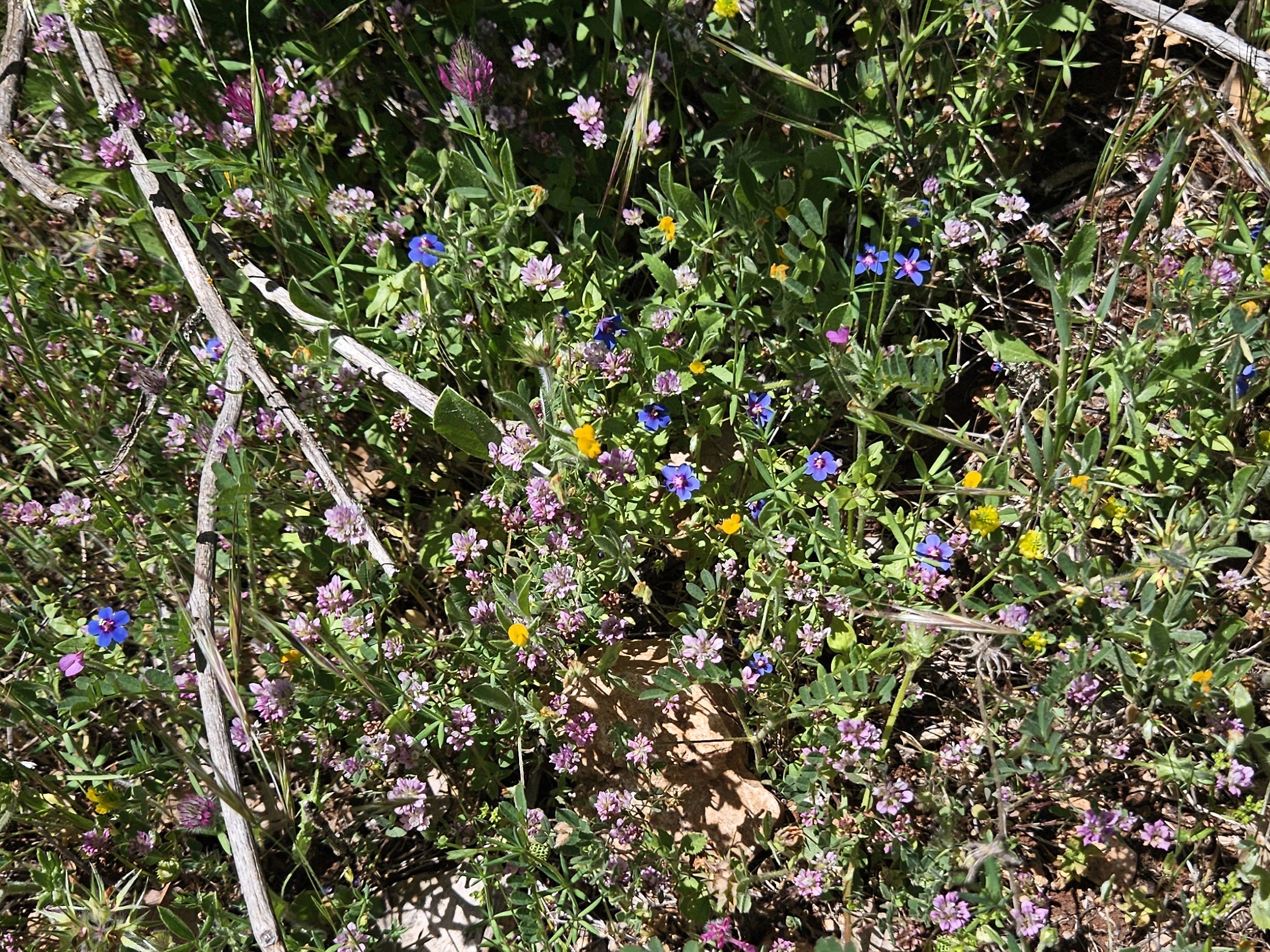
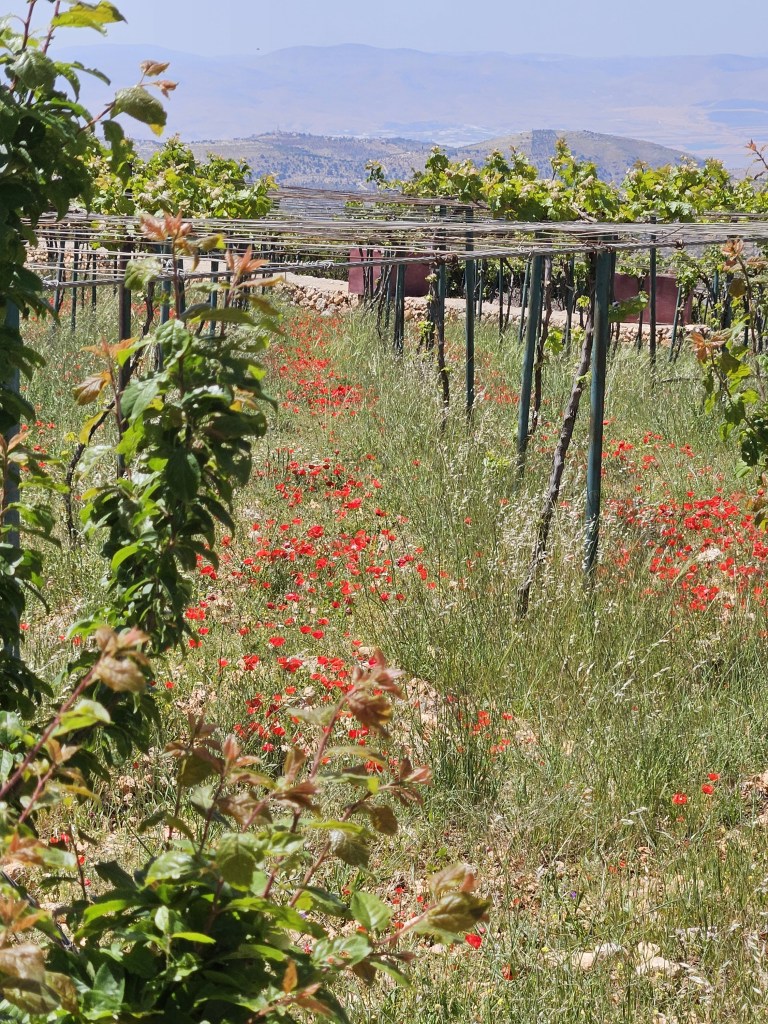
Agricultural Vistas
In addition to its forests, a third of the land in Ajloun is covered by olive, grape and fruit farms. Some of the olive trees may be hundreds of years old, and some of the figs seemed to have strayed from their fields.



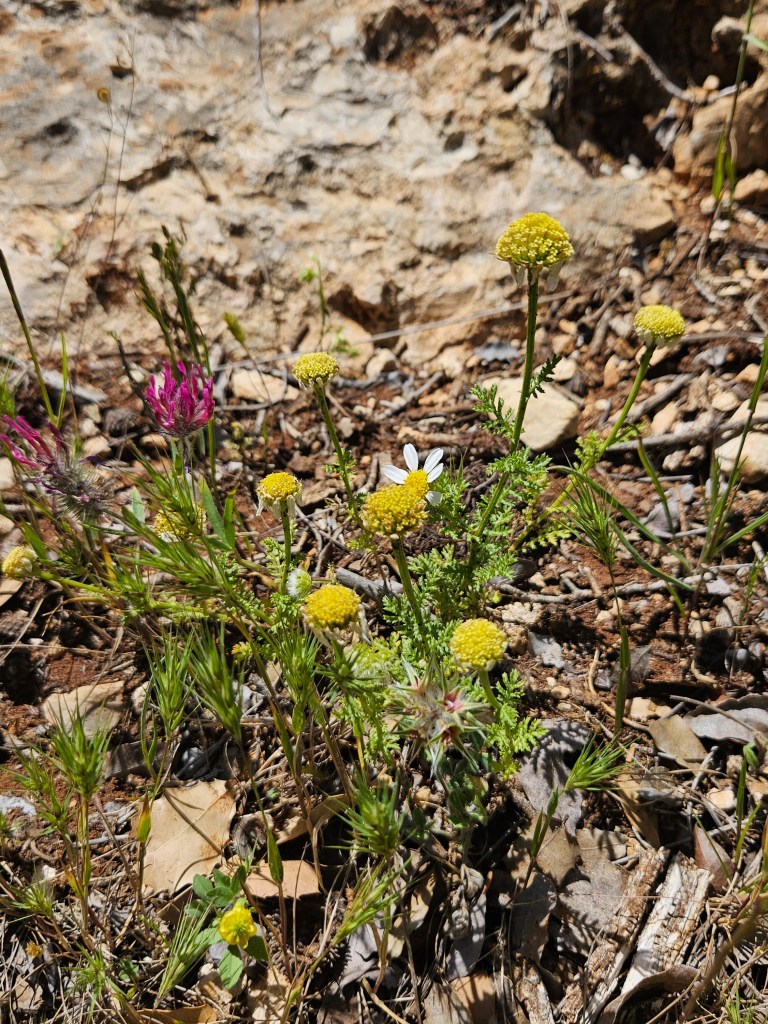
… and more!

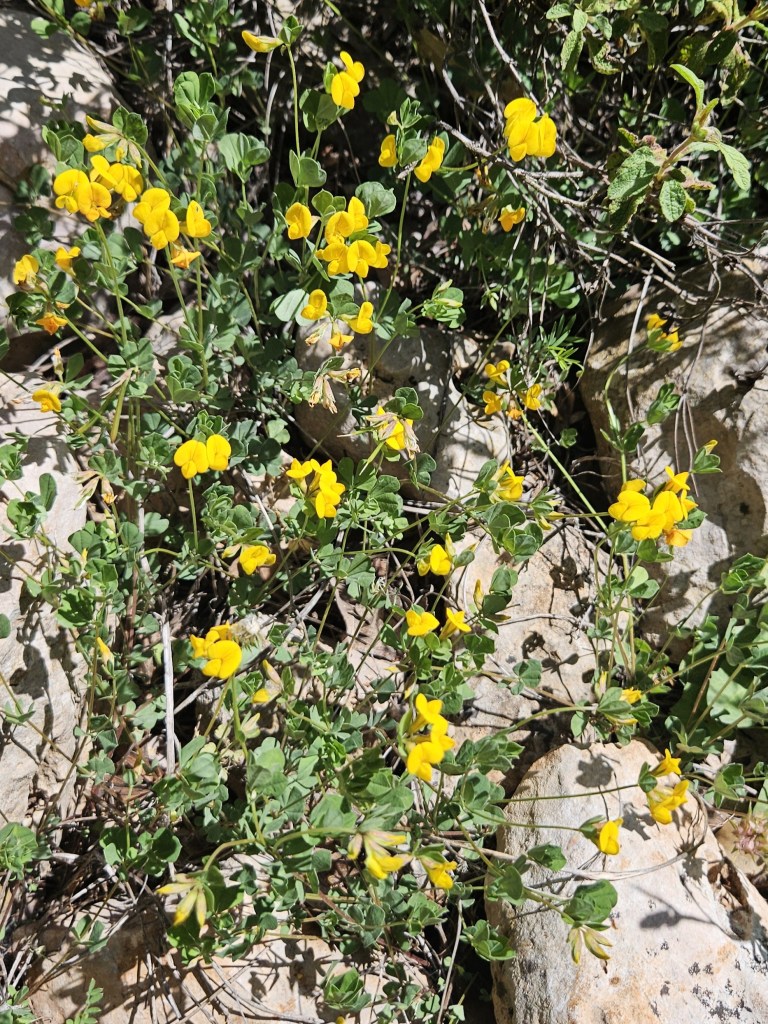


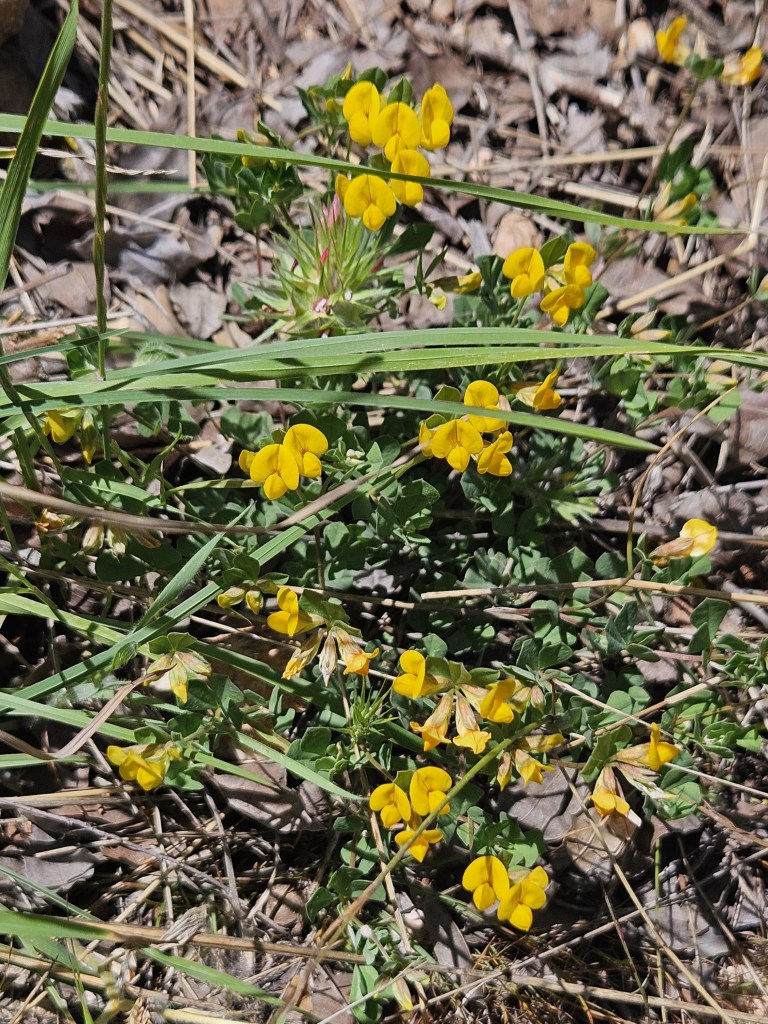


Of course, no hike is complete without some amazing vistas, and no Jordanian hike is complete without some tea on a wood fire….


 MaryahConverse.com
Leave a reply to Wadi Dana: Jordan’s gorgeous gorge – MaryahConverse.com Cancel reply