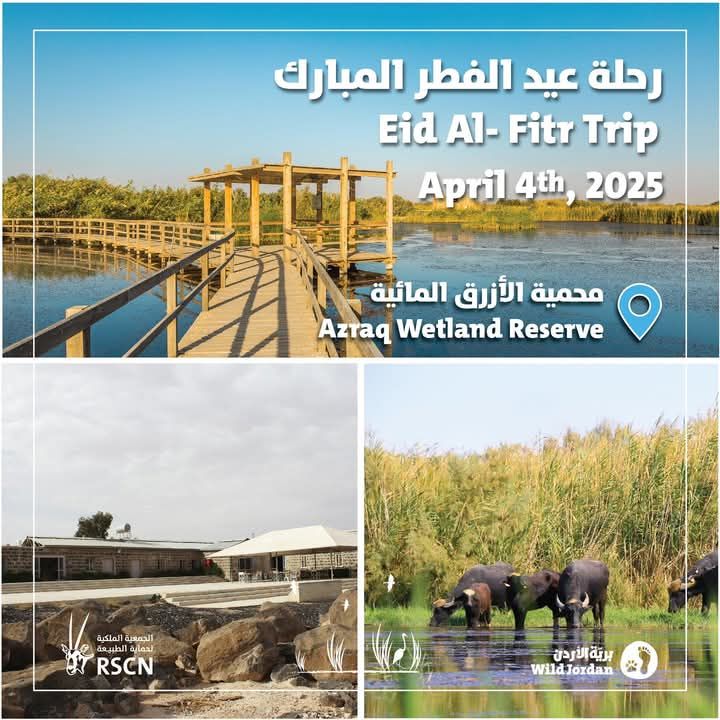
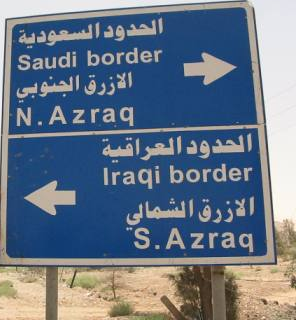
Along the Silk Road caravan routes between Baghdad and Jerusalem, on the western edge of the basalt Harrat al-Harra or Black Desert stretching from southern Syria to northern Saudi Arabia, Azraq Castle has been a key anchor point from Roman times, through Persian, Arab and Turkish empires, and for Lawrence of Arabia and the British-backed Arab Revolt that helped bring down the Ottoman Empire. All that time, it has also been a crossroads for birds, along a major flyway in the migration between Asia and Africa. Even today, it is a major crossroads between Jordan and its neighbors Iraq and Saudi Arabia.
Since prehistory, Azraq’s aquifer close beneath the desert surface supporting the spring fed oasis made it a place of life amidst the desert. Fluctuating between lake, marsh and playa over the centuries, this area supported abundant prehistoric life, including now-extinct elephants and narrow-nosed rhinoceros, as well as camels, lions, wild horse and ass, gazelles, aurochs, and wild boar. People have also taken refuge from the desert here since hundreds of thousands of years ago, when they ate its ducks, camels, aurochs, equines and rhinoceros.
Azraq Wetland Reserve
Early last century, the Azraq Wetlands covered dozens of square miles and supported nomadic Bedouin and refugee communities. The religious minority Druze left Turkey starting in 1912 for the Azraq Oasis where their people had sometimes wintered throughout the previous century. Chechens, who had been driven out of their homelands in the Caucuses by the Russians in the 1860s, came to Azraq from the other side of Amman in the 1930s. They brought water buffalo to Azraq, which were recently re-introduced to keep the reeds in check and the oasis ecosystem evolving.
“For weddings, we would tie the horns of the buffalo and give them as presents to the grooms,” Shishani recalls. “They knew their own names,” she said fondly of the buffalo.
– “It dried up before our eyes”:
How the loss of Jordan’s marshes has fractured communities,
by Melissa Pawson, Lacuna Magazine
After the village of Amman became the capital of the new kingdom of Jordan, and it’s population began to boom, it became clear that the streams in Amman’s valleys, now entirely dried up, were not going to be sufficient for the growing city. By the 1990s, Amman and then the cities of Zarqa and Mafraq, was consuming so much of Azraq’s water, and the aquifer underneath it, that the surface water dried up, precipitating a total ecological collapse. That’s when the Royal Society for the Conservation of Nature (RSCN), originally established to regulate hunting in the kingdom, stepped in to restore the wetland. Today,
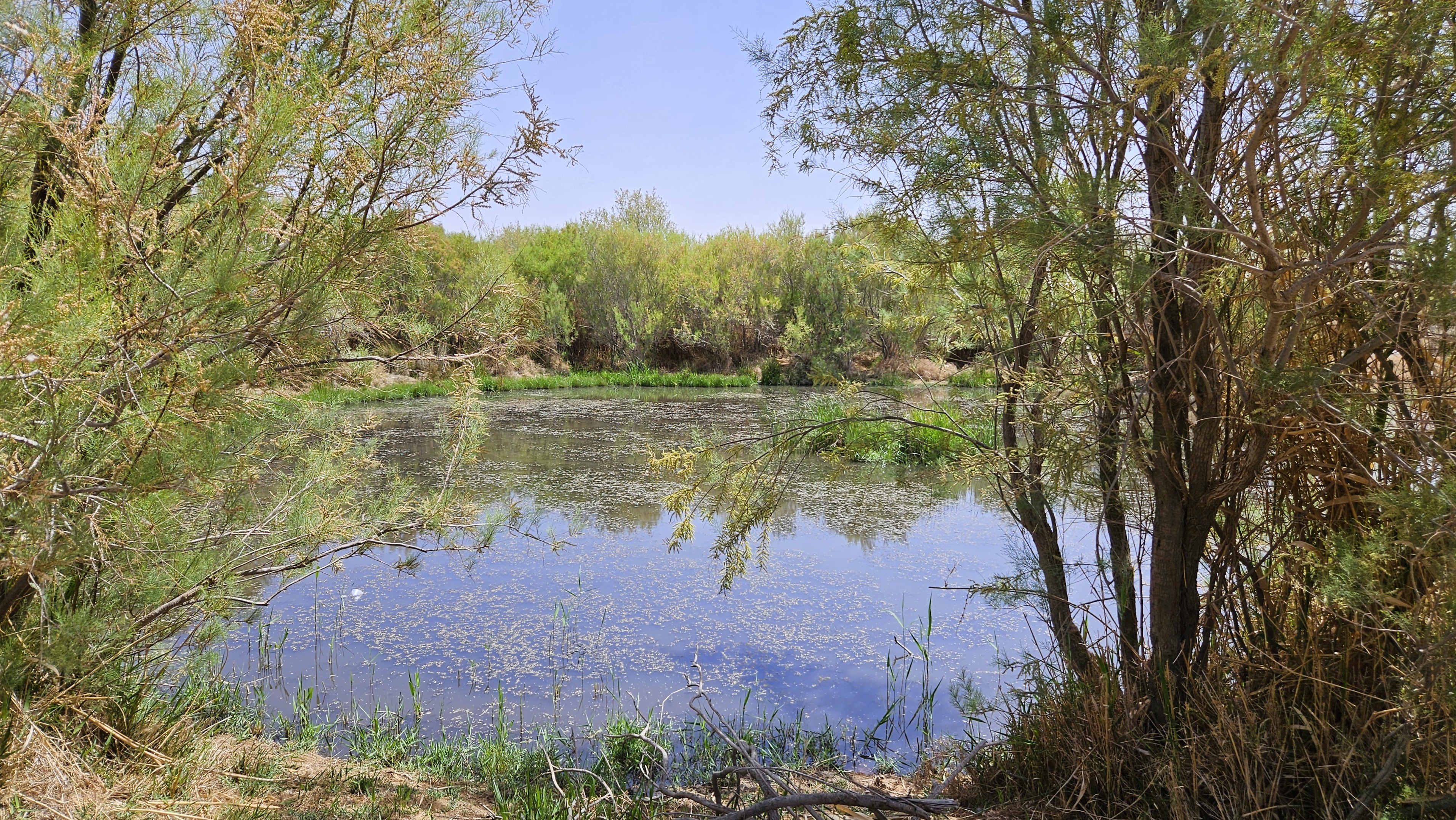
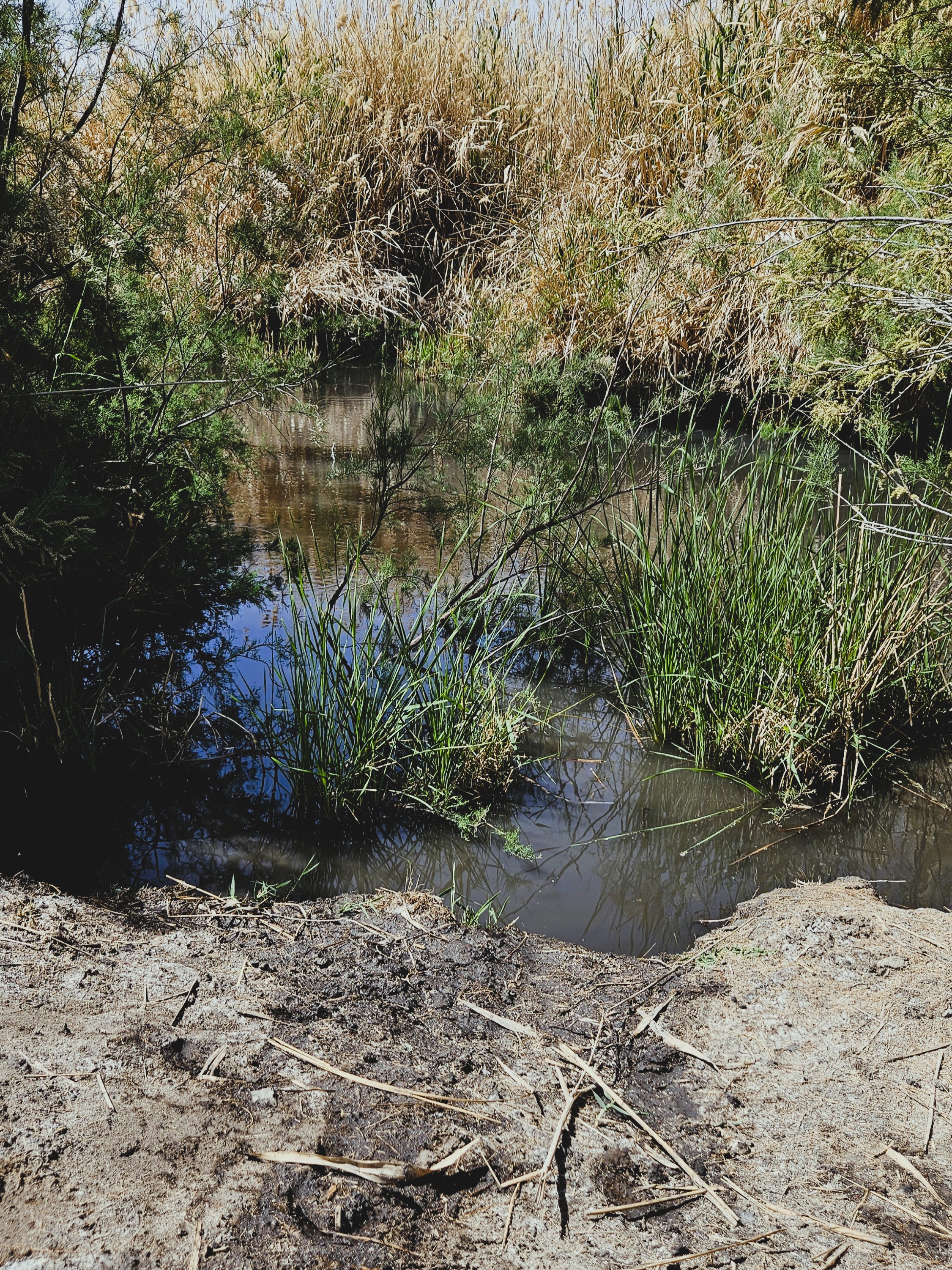
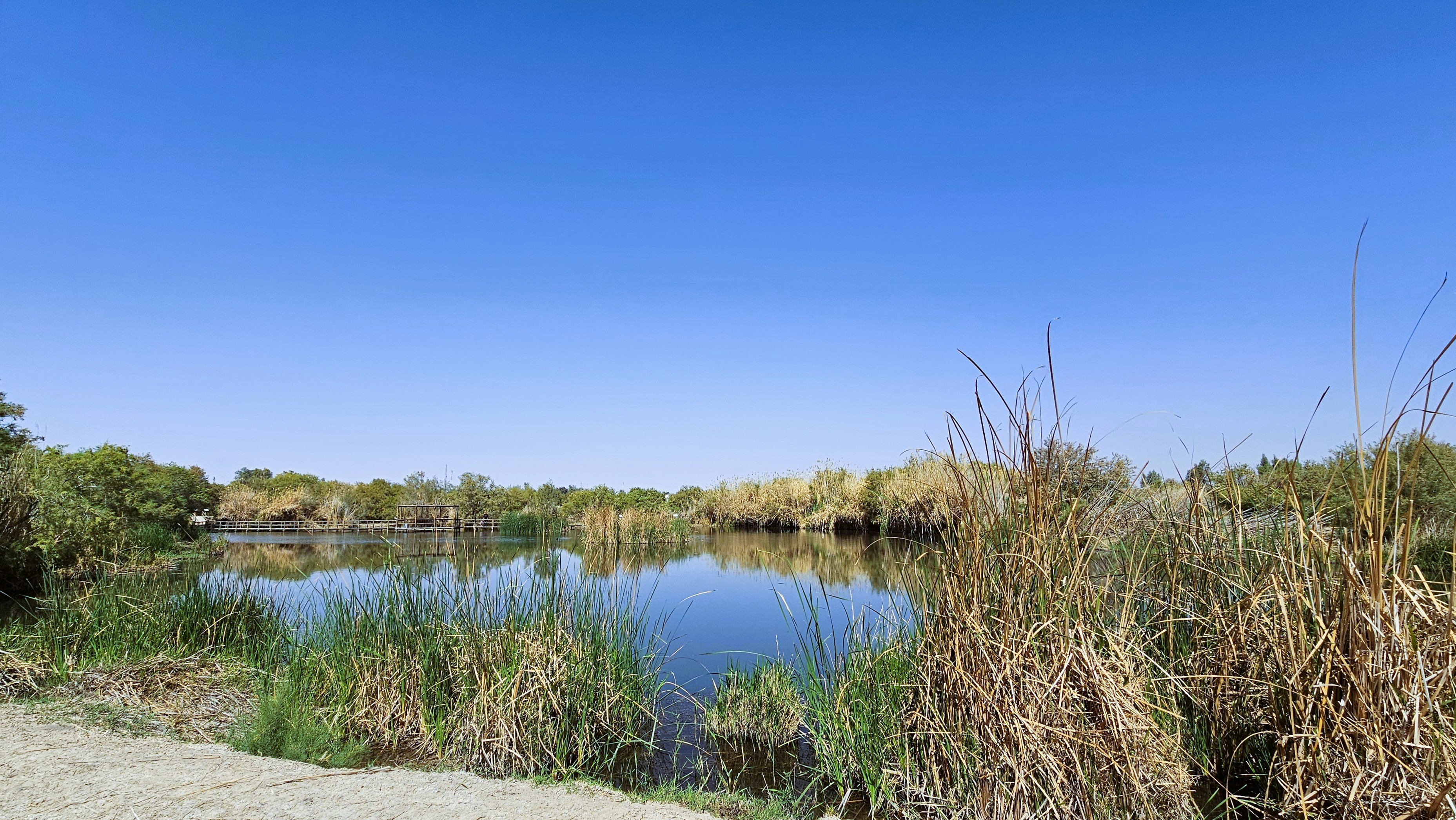
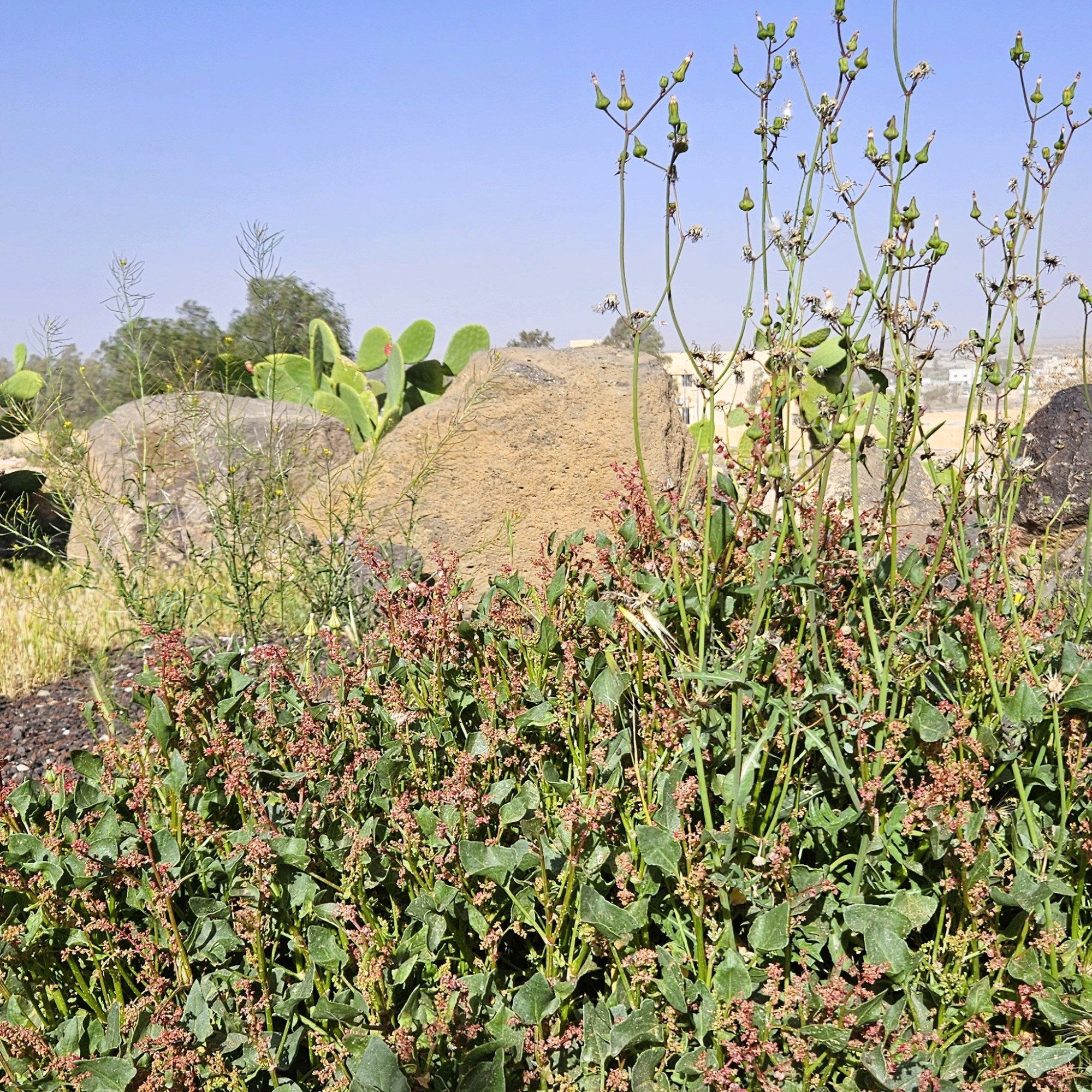
Azraq Wetland Reserve is a location of rich biodiversity, containing Azraq Killifish Aphanius sirhani, the only true endemic vertebrate species of Jordan. In addition to two-thirds of the bird species records in Jordan, with 350 species of migratory and resident birds. There are also more than 133 species of plants, and there are more than 163 species of invertebrates, 18 species of mammals, 11 species of reptiles, 15 species of dragonflies, and two types of amphibians.
Our Excursion
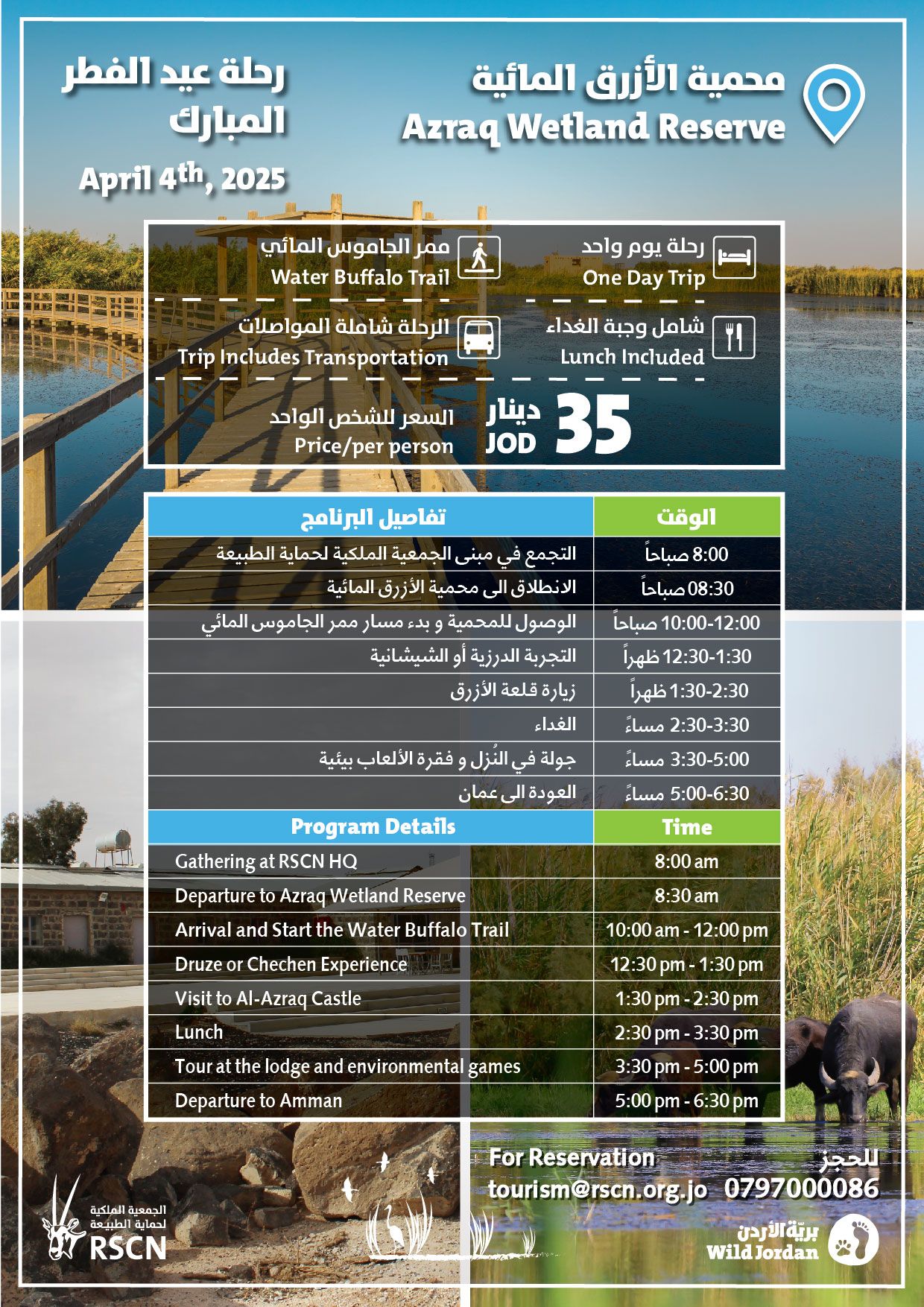
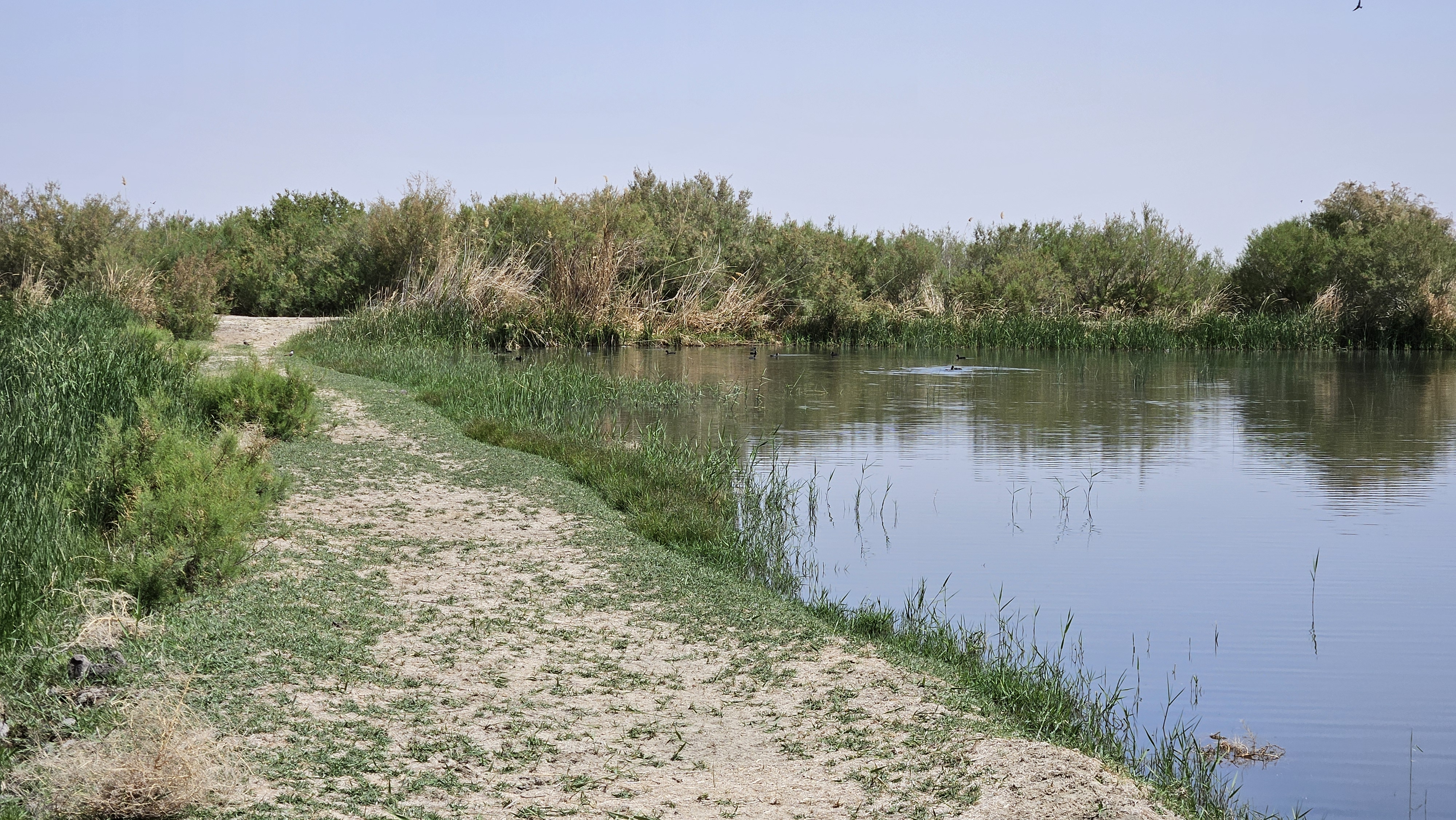
We found ourselves in Azraq today because RSCN was re-introducing a day trip to the reserve and related sites, and our first stop was the Wetlands Center and a guided tour along the Water Buffalo Trail.
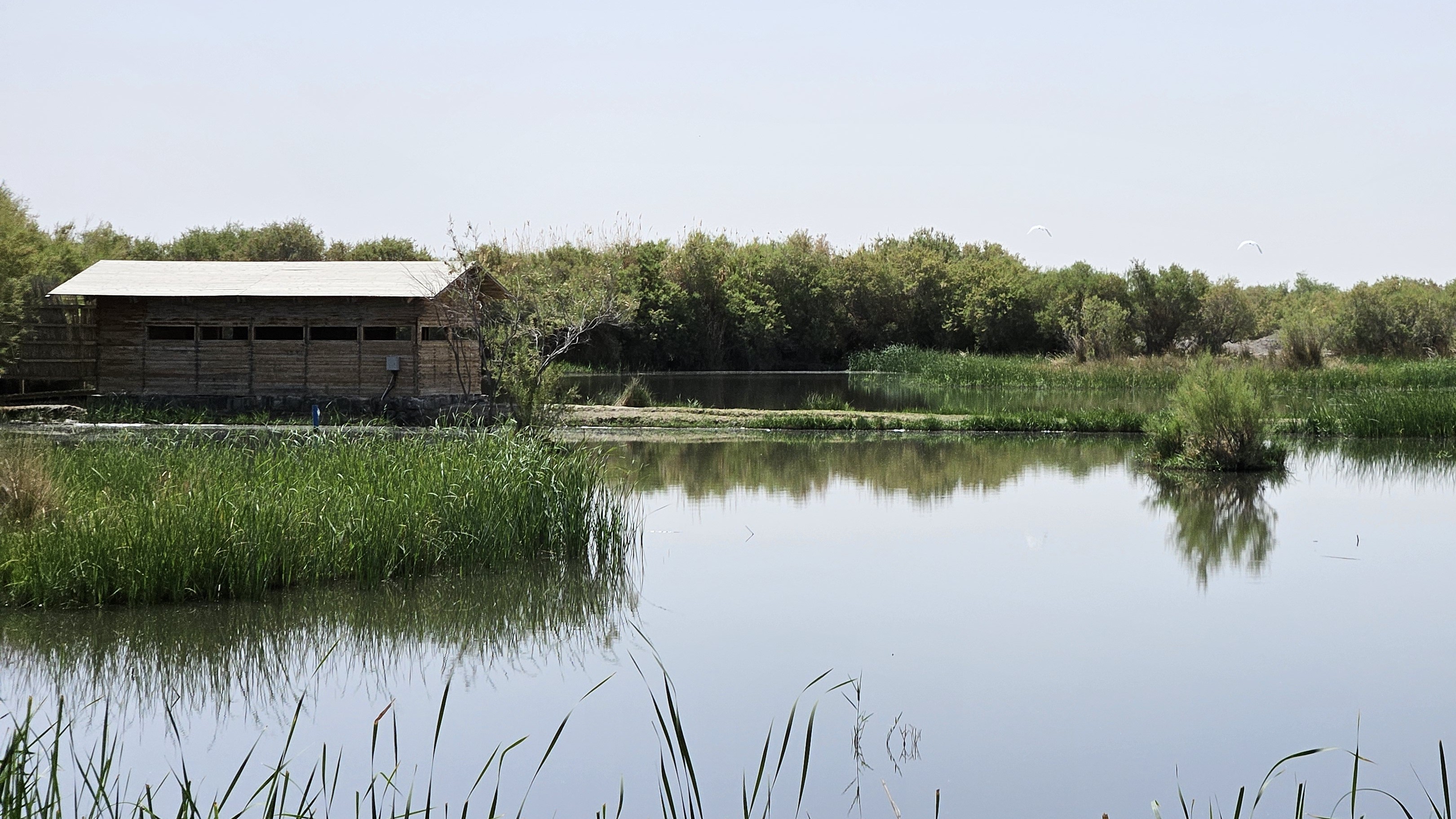
I would have liked more time to linger over the birdwatching, but we saw a nice selection of water birds, lots of swallows, and other songbirds. New migratory patterns are becoming established that include Azraq Oasis once more, even with the added strain on the aquifer from Amman’s explosive growth and the Azraq Camp that opened to support tens of thousands of Syrian refugees after the Syrian Civil War broke out in 2011.

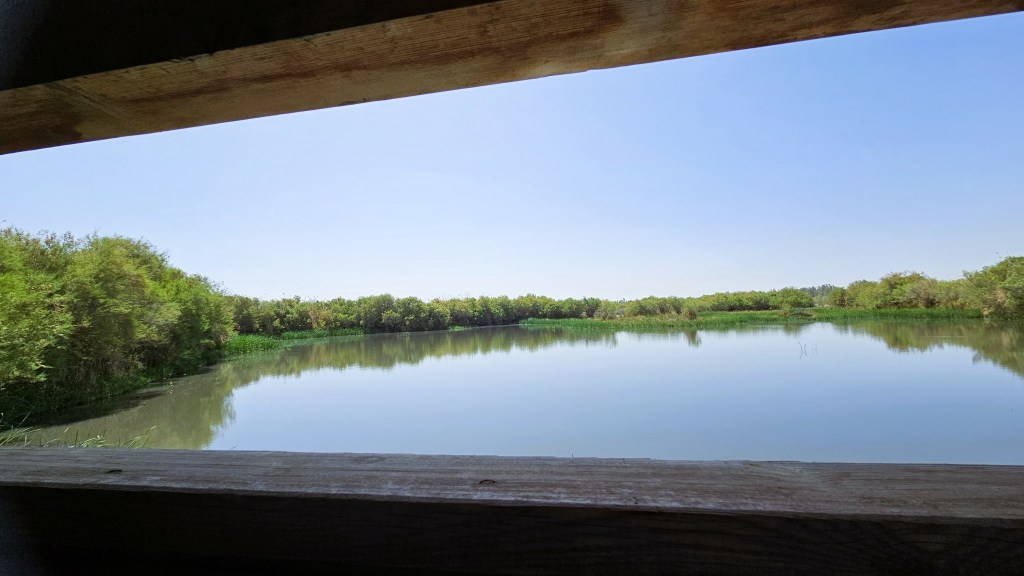
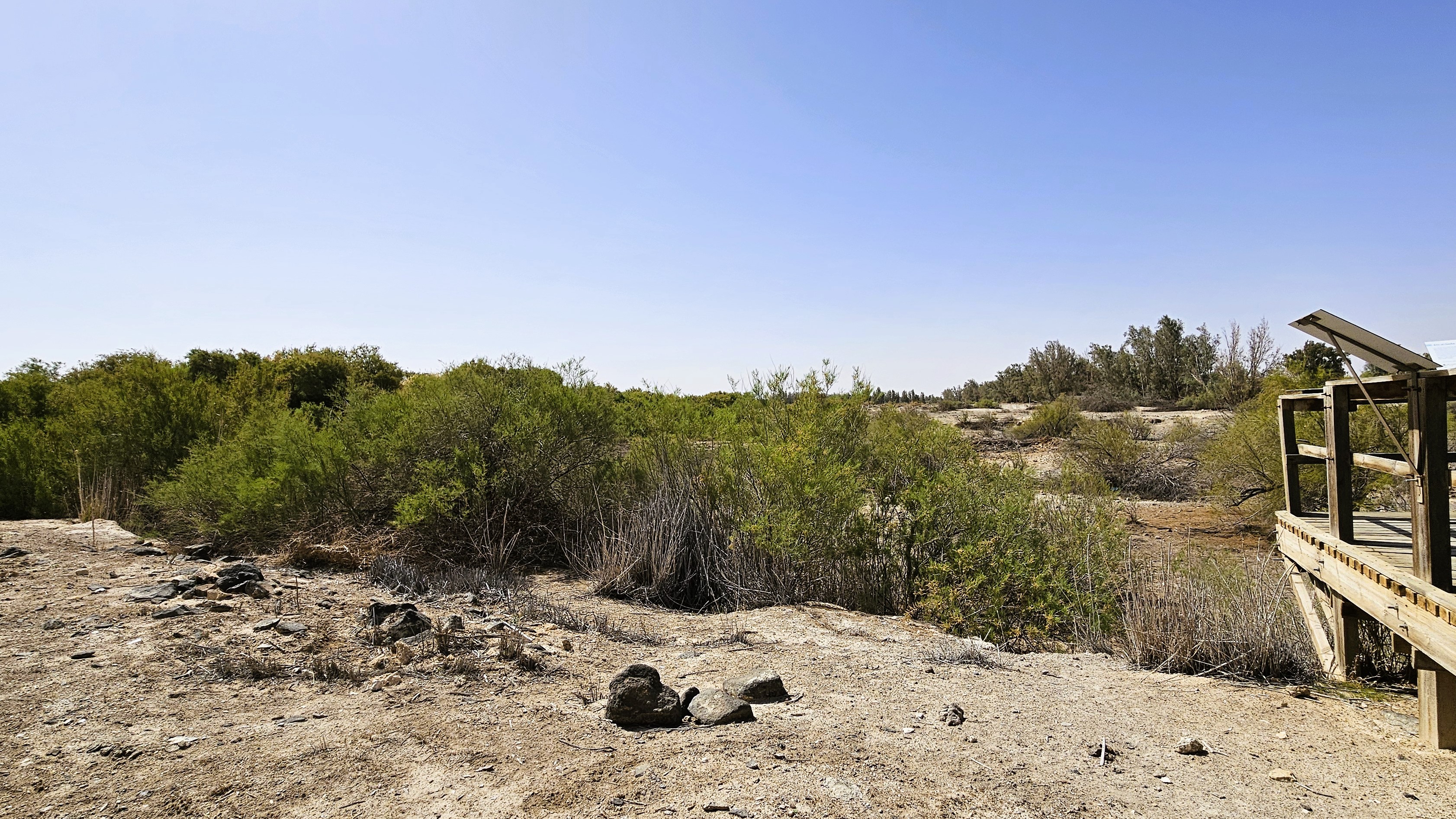
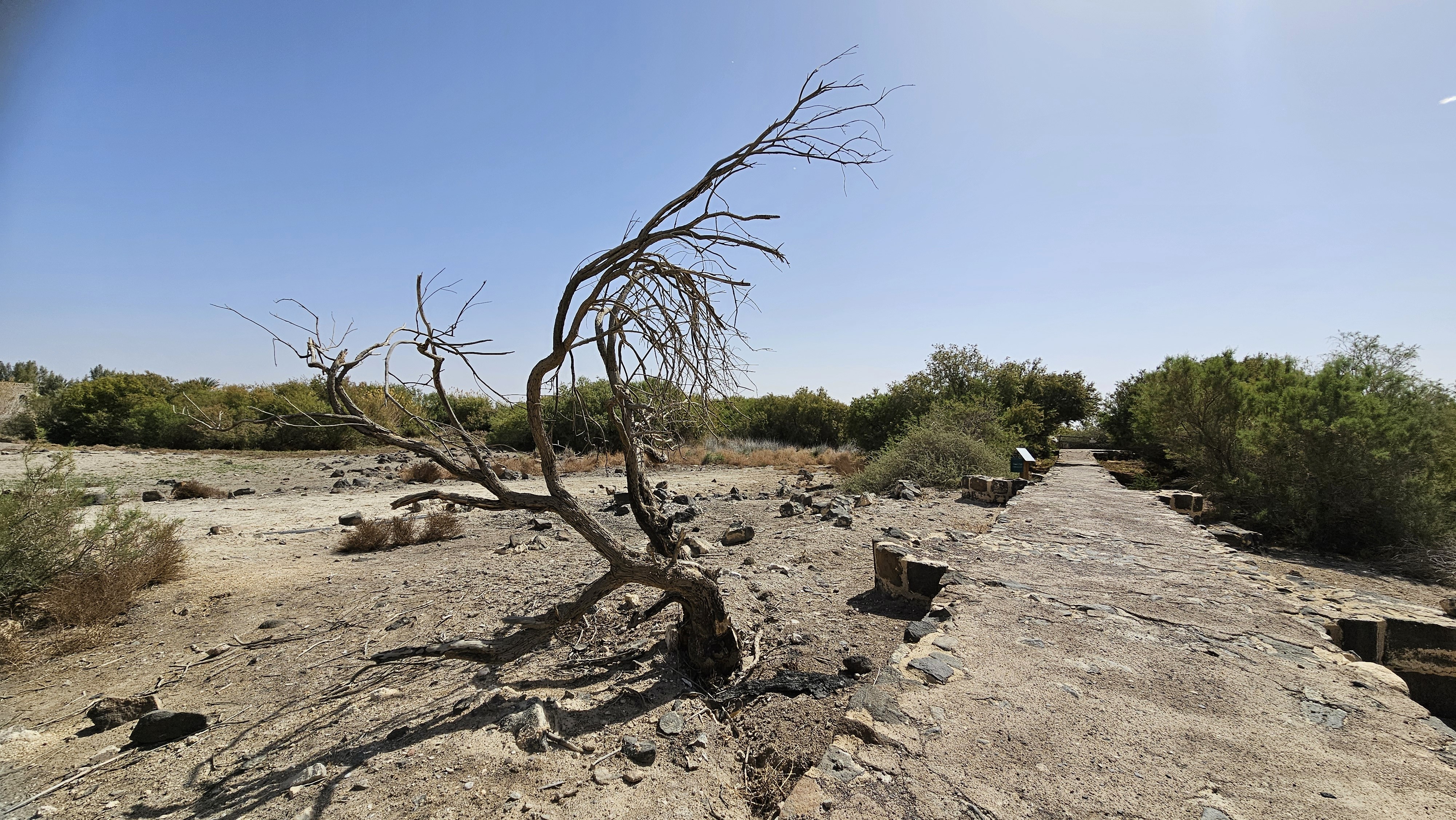
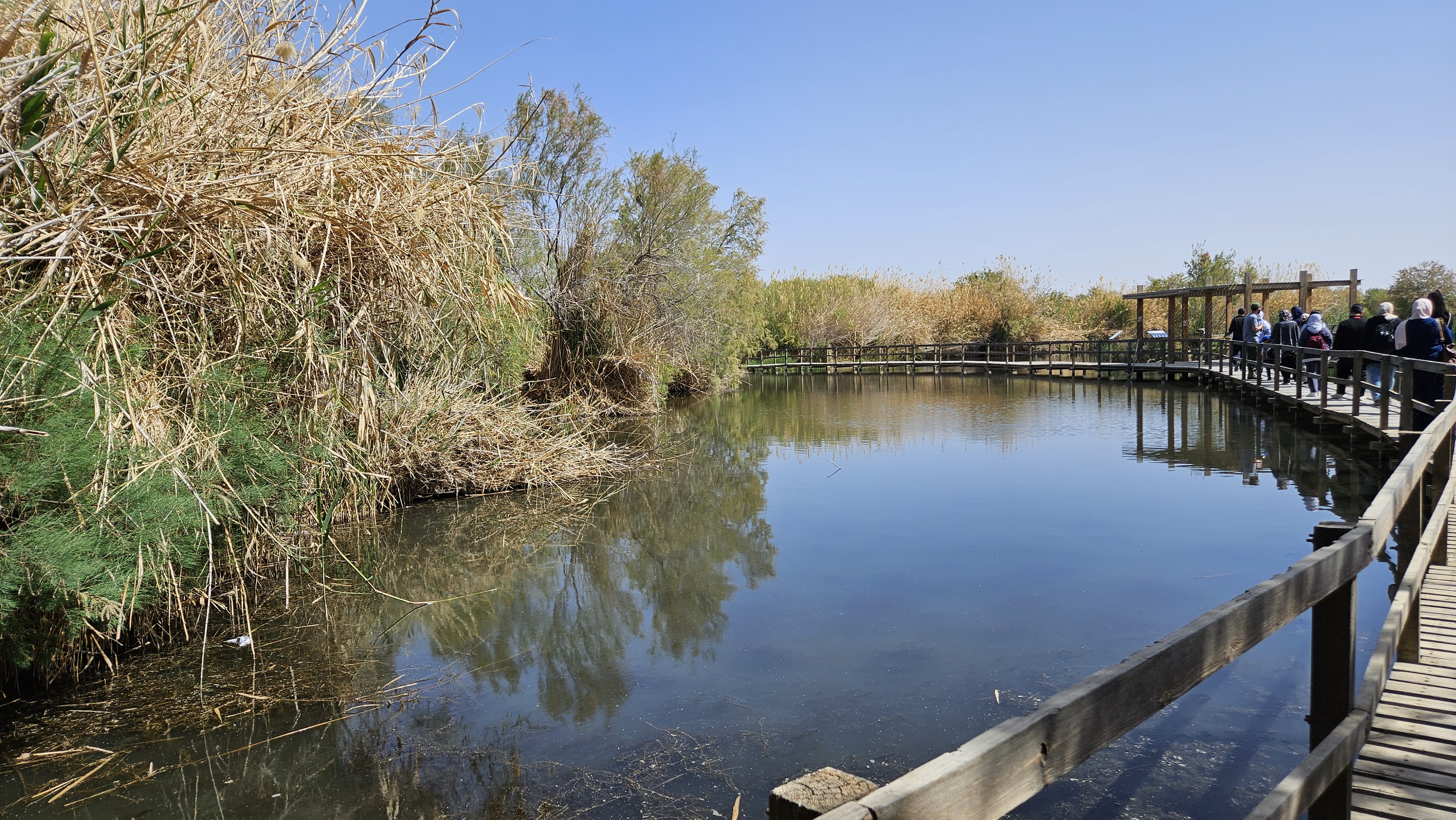
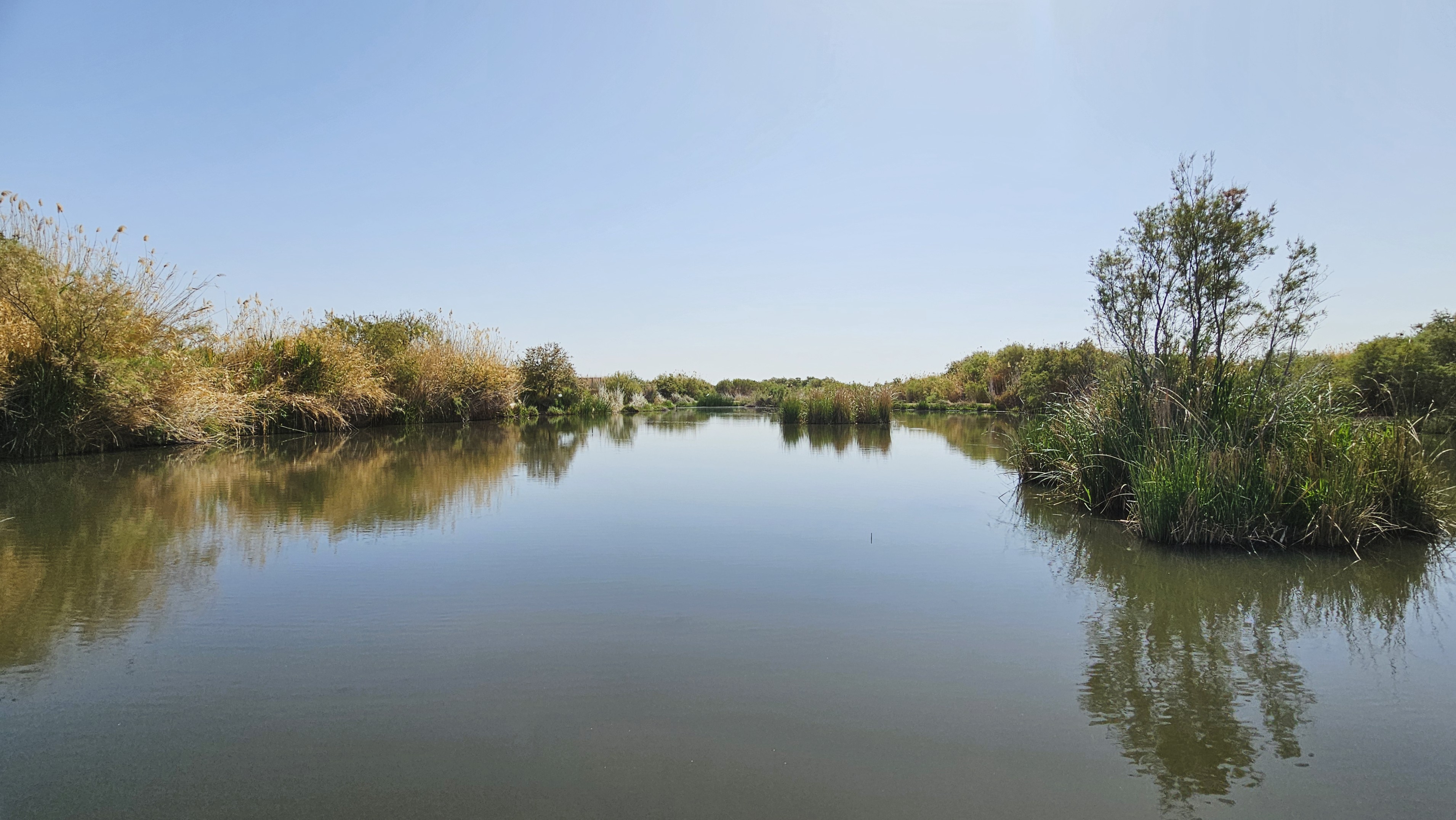
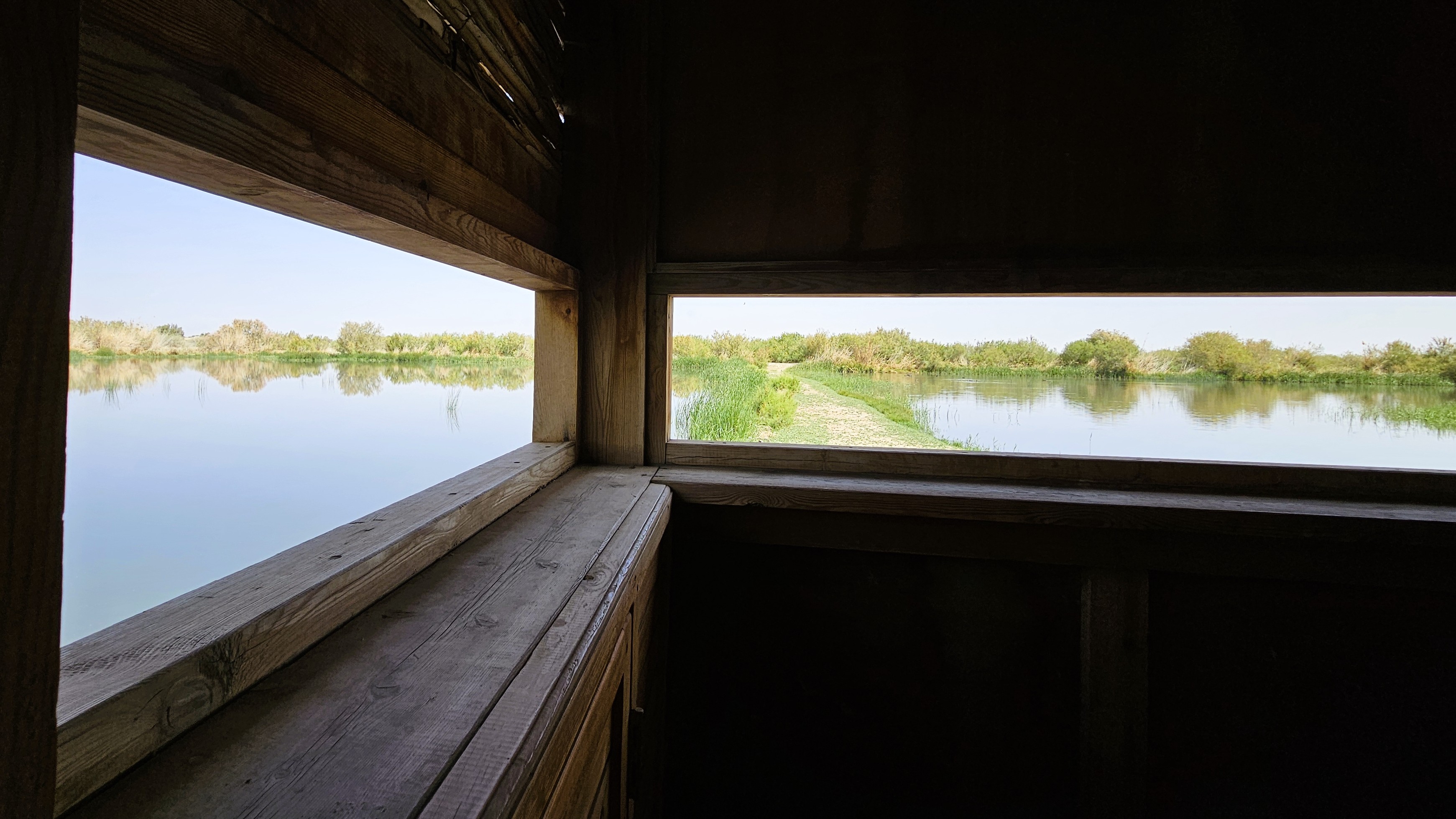
After a brief tour through the visitor center’s museum, we headed out the back to take the Water Buffalo Trail. It winds partially over an old Ottoman wall, along boardwalks over the water and elevated trails between the reeds, and through several bird blinds. An easy walk, with a lot to see and explore.
Azraq Castle
Nabateans, who controlled the Silk Road trade routes between the fourth and second centuries BCE, had a presence in Azraq, but it was the Roman emperor Septimius Severus, best known for defeating the Parthian Persian Empire, who first built the first fortress there in the second century CE. Extensive rebuilding was done by several subsequent Roman emperors, including Constantine the Great who converted the empire to Christianity in the fourth century, as one in a line of fortifications on the eastern border of the Roman empire. In the eighth century, the Umayyad poet-caliph Walid II used the castle as his residence while hunting the still abundant wildlife around Azraq Oasis. In fact, the castle was mostly in use and regularly updated throughout subsequent Arab and Turkic empires.
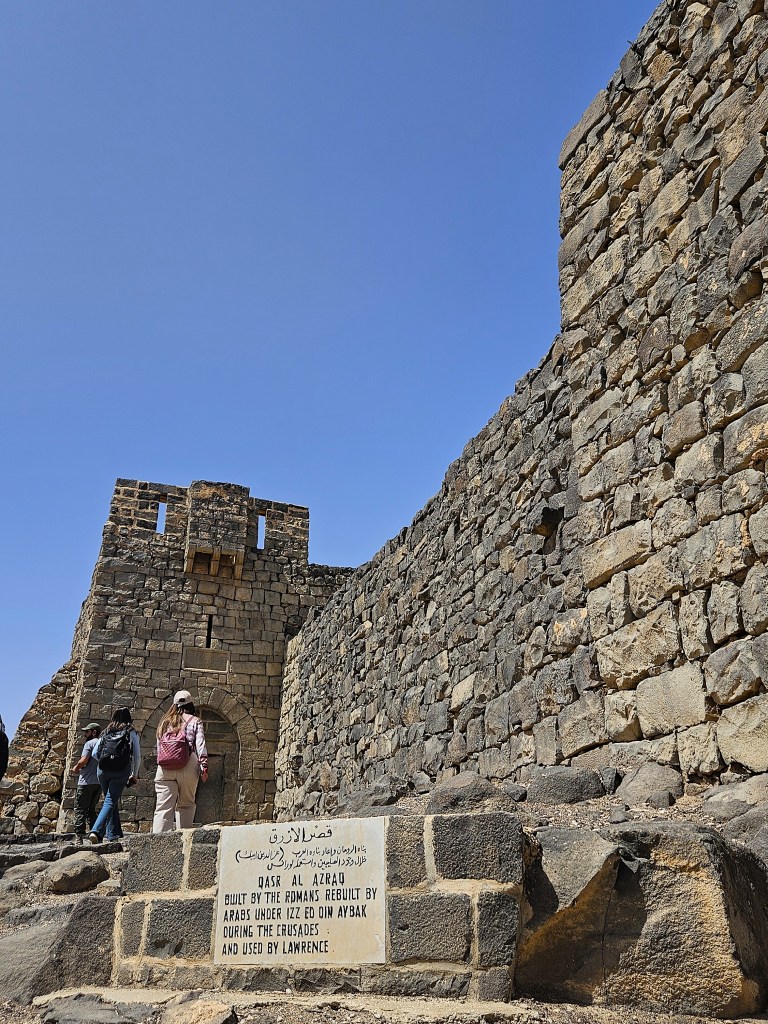
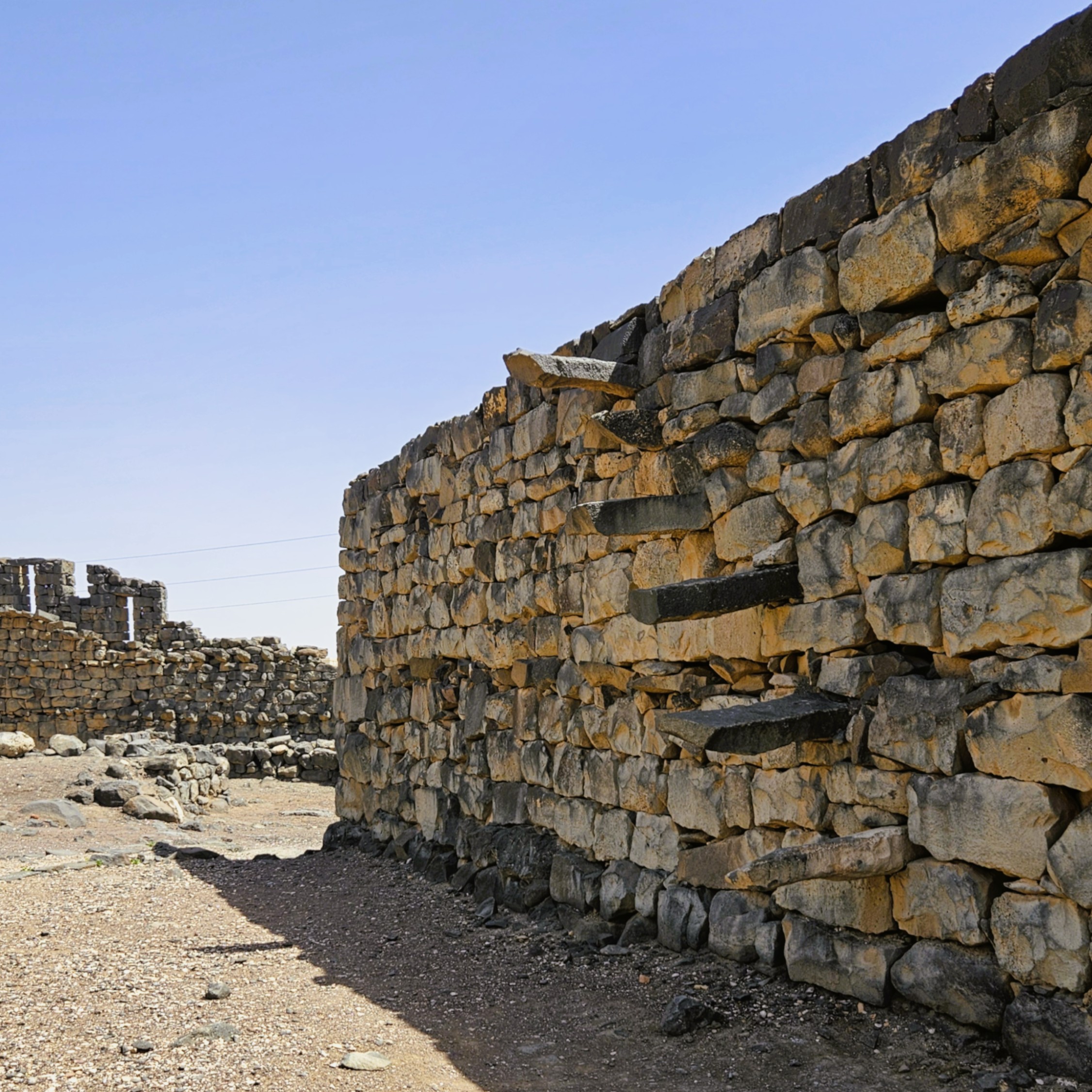
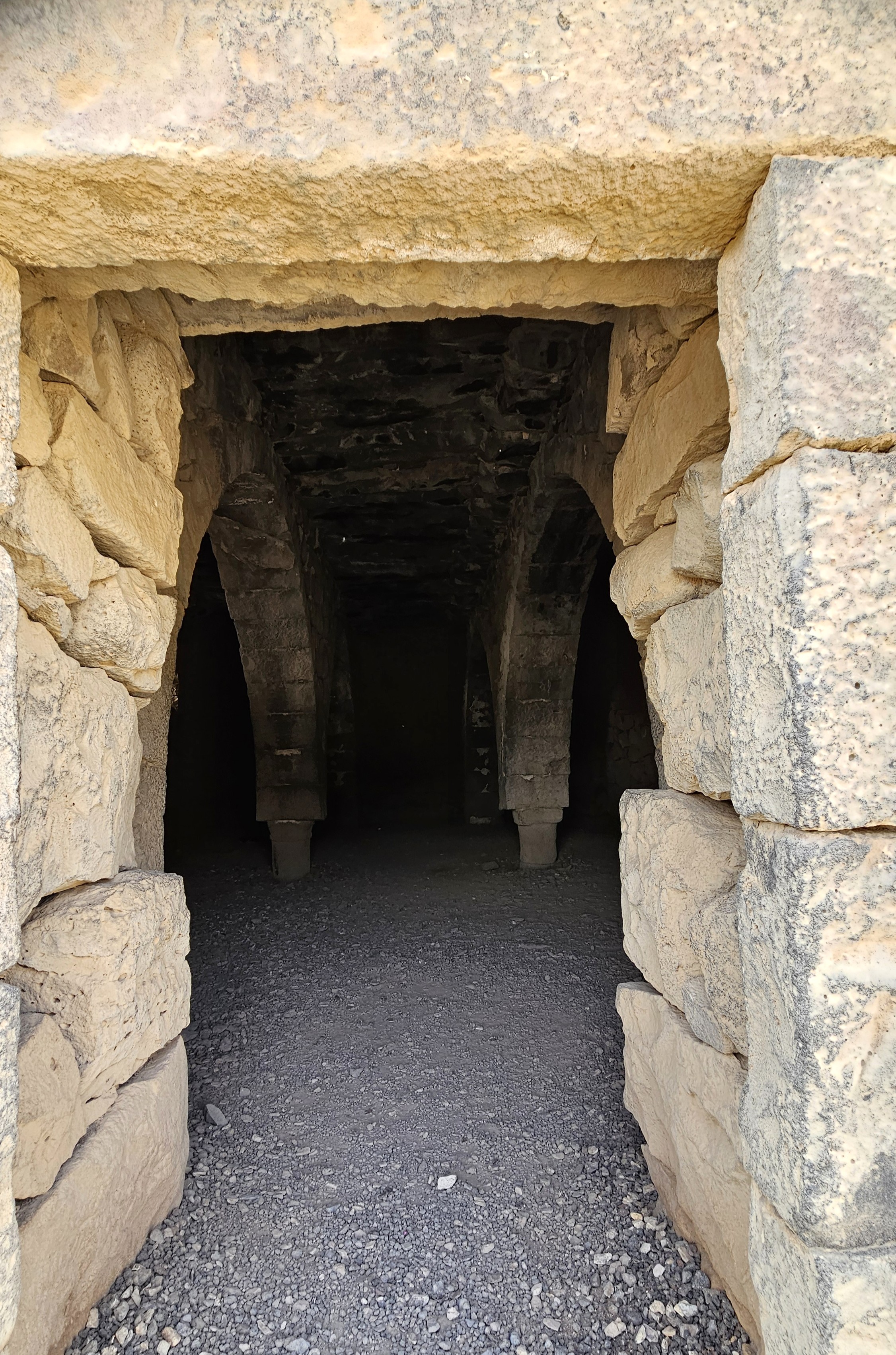
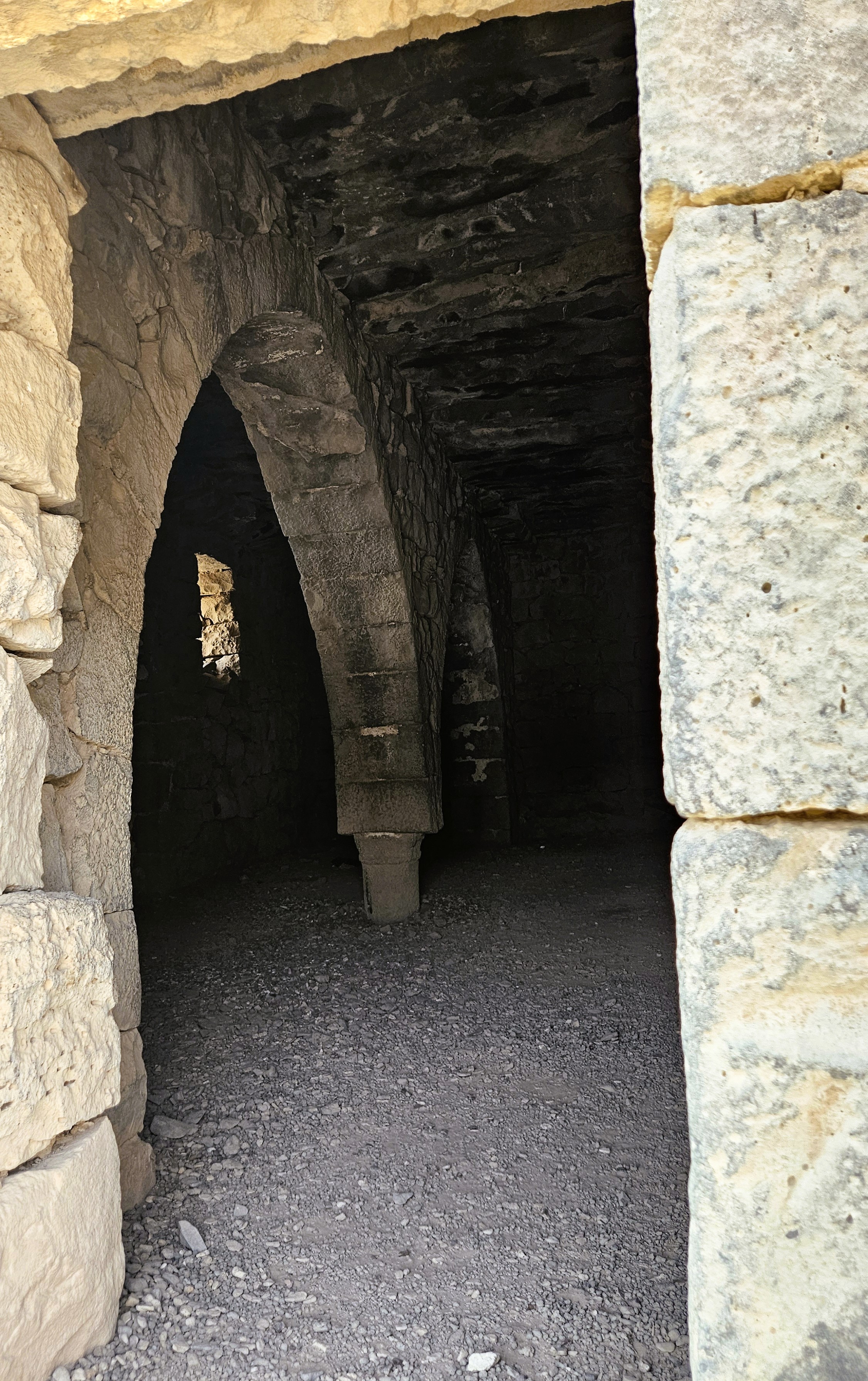
An inscription outside the gate indicates a major rebuild during the period of the Crusades in the twelfth century by Izz al-Din Aybak, the first Mameluke sultan of Egypt. He built the mosque in the center of the fort, on the foundations of a Byzantine church. Distinctively a mosque, it has arched columns inside, a prayer niche facing Mecca, and some very gnarly looking steps on the back side, perhaps for the muezzin to climb up on the roof for the 5-times-a-day adhan call to prayer.
During World War I, the English Orientalist, adventurer and military officer T.E. Lawrence, a.k.a. Lawrence of Arabia, was one of the leaders of the Arab Revolt. In order to keep the Ottoman Empire from engaging in the European war, the British enabled Lawrence to assemble the Bedouin of what is now northern Saudi Arabia and Jordan for a guerilla war against the Ottomans. They’re particularly well known for blowing up several sections of the Hijazi Railway that brought pilgrims from Damascus in Syria to Mecca and Medina in Saudi Arabia.
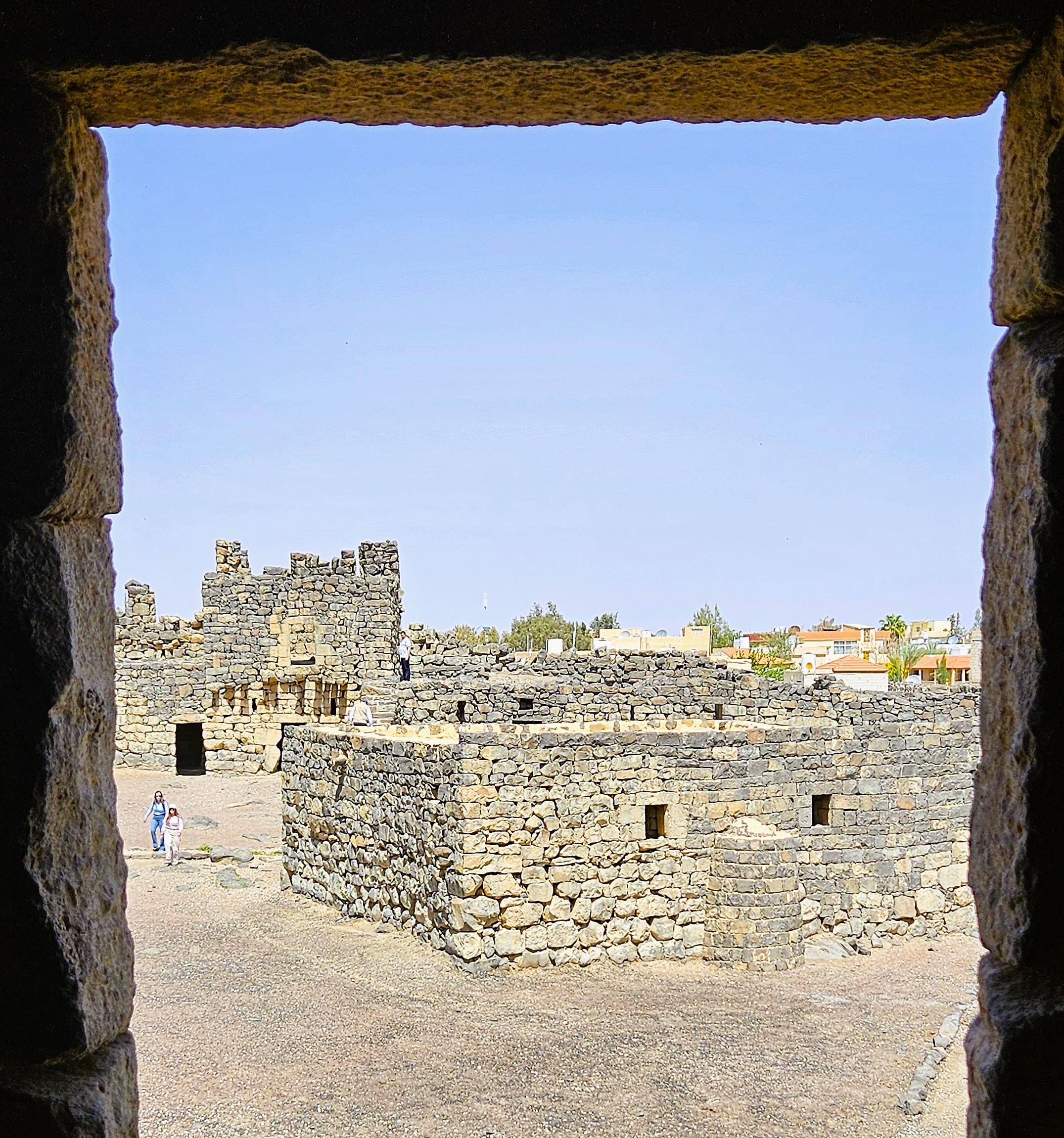
Lawrence is perhaps most strongly associated with Wadi Rum and the port of Aqaba in the south of Jordan, but in the winter of 1917-18, with the leader of the Arabs and future first king of Jordan, Sharif Hussein bin Ali, made Azraq Castle his headquarters. The upper room in the South Tower is now known as Lawrence’s Room, and the arrow slits offer narrow views in every direction.
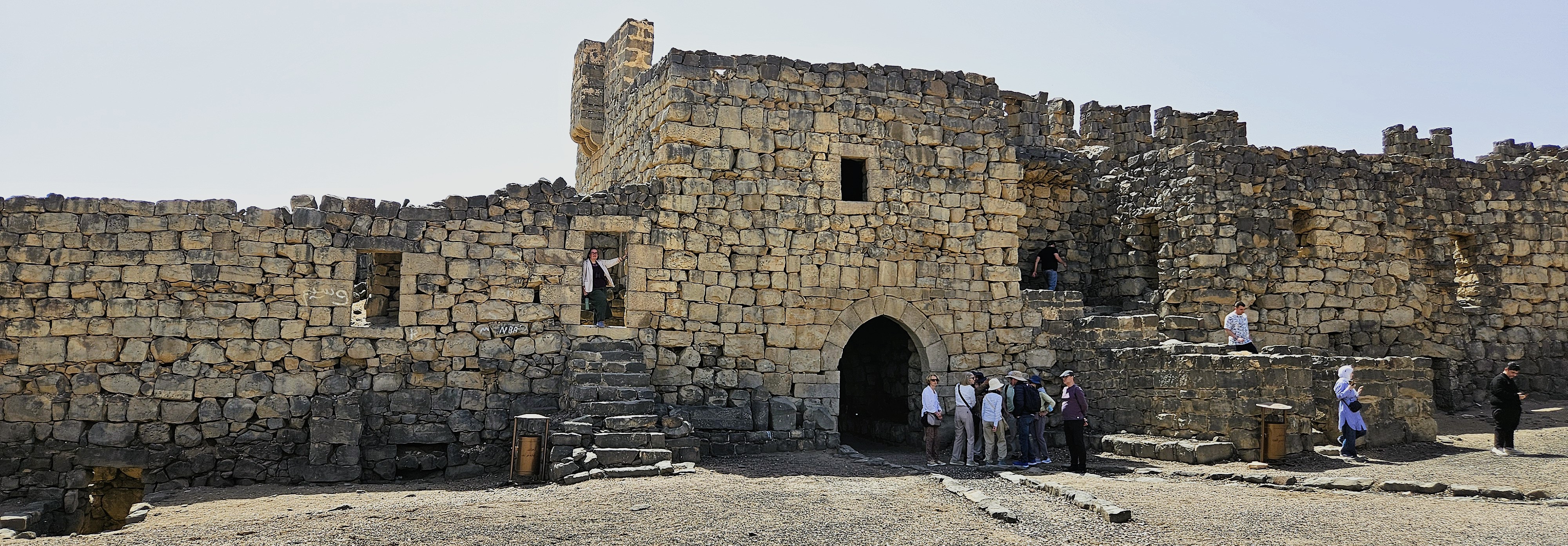
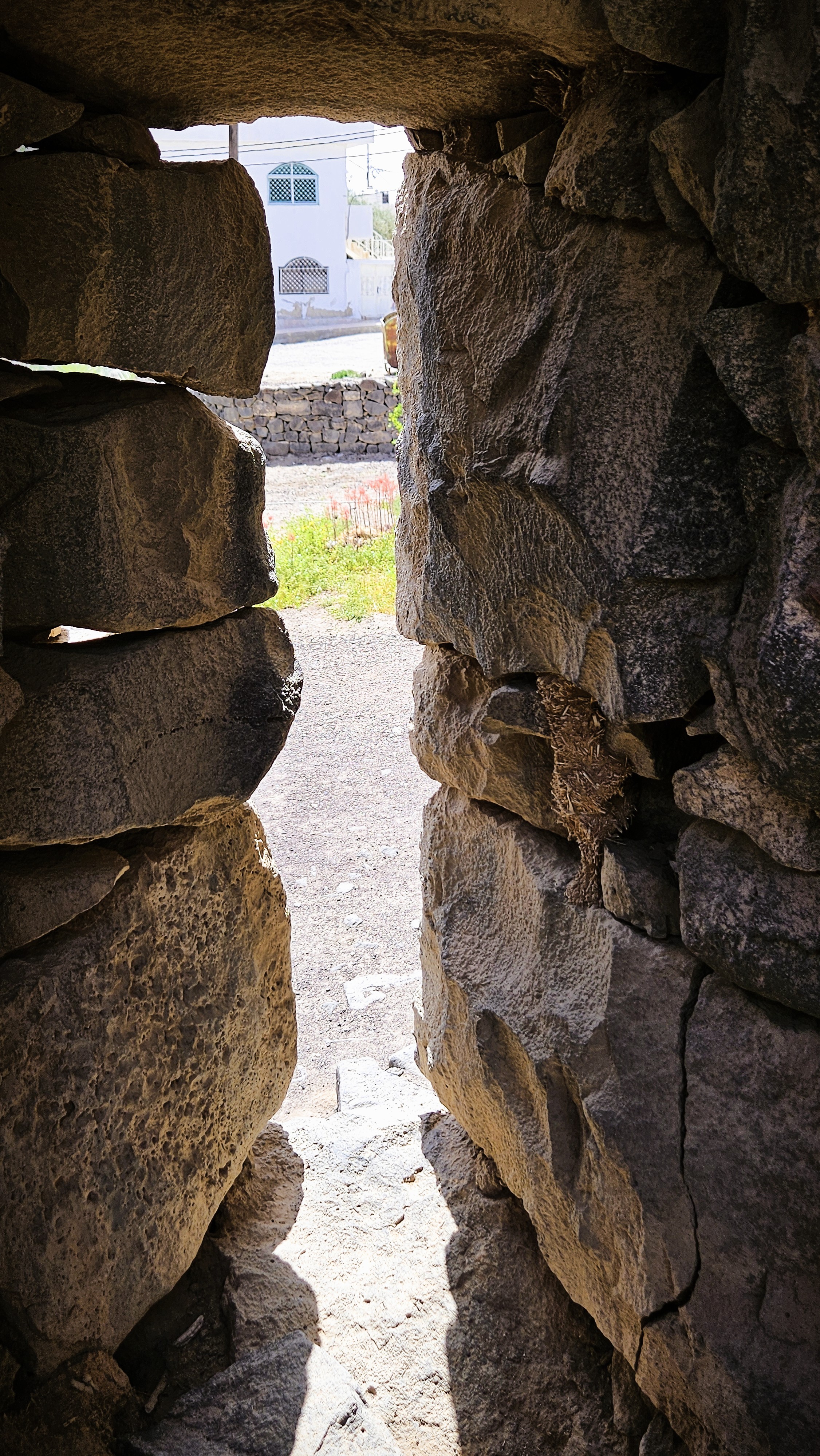
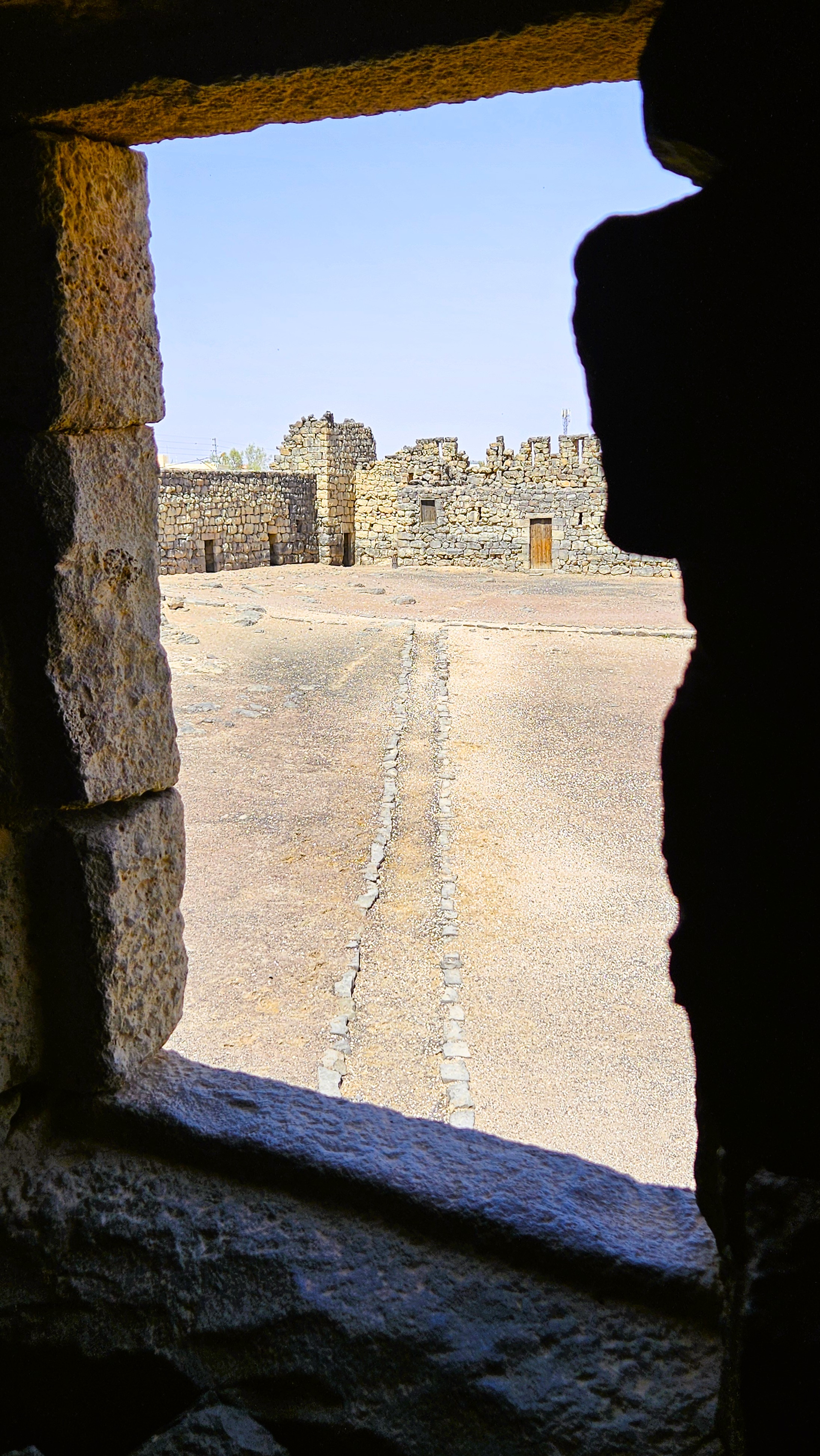
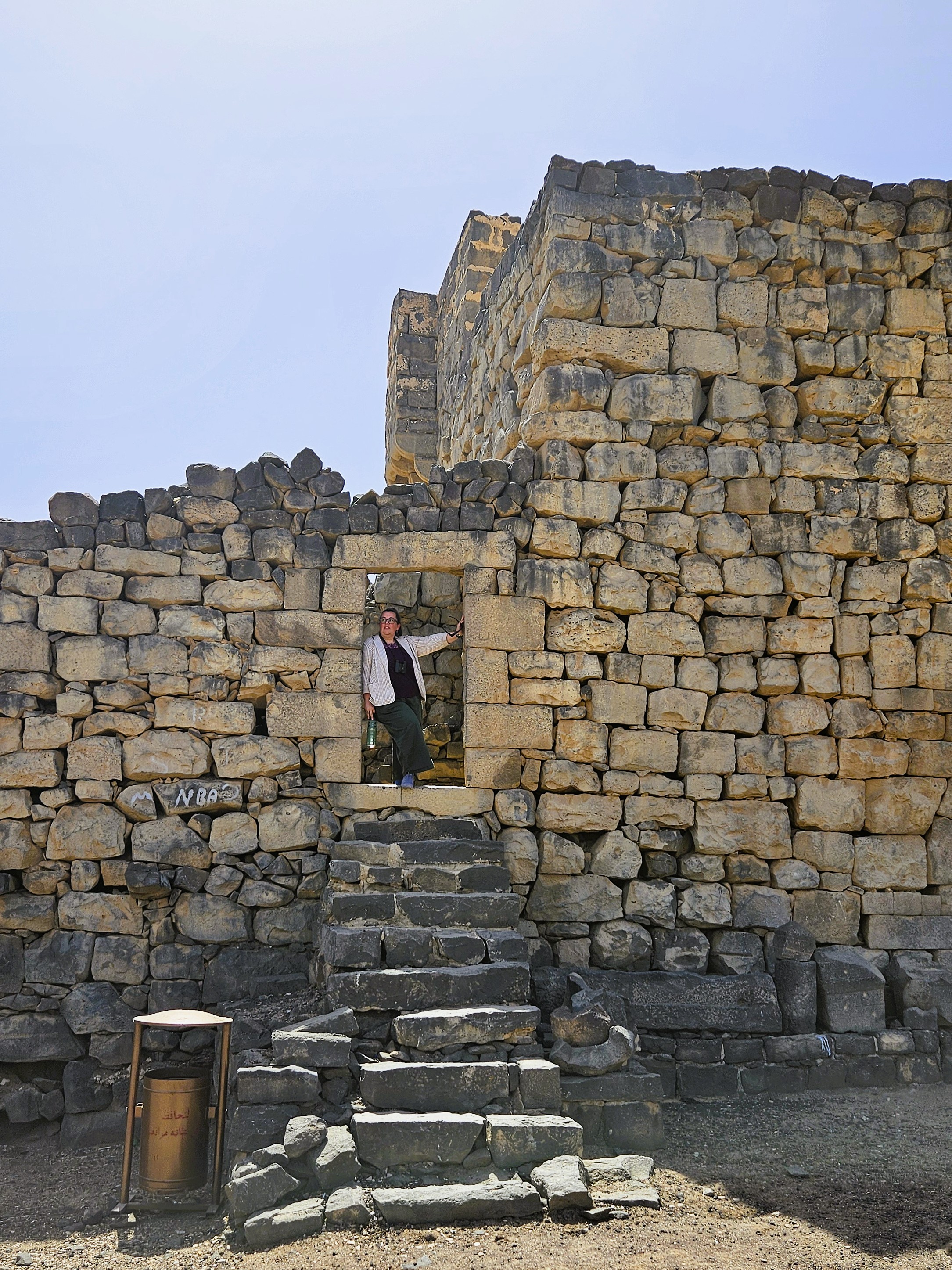
Despite the hardships endured during his stay at Azraq, TE Lawrence writes fondly about the time spent with his men at arms. In the evenings everyone would assemble before a great fire in the open courtyard and break bread while swapping stories of war, peace and love.
Qasr Al Azraq, for Lonely Planet
At the end of the winter, they would attack Damascus and bring down the Ottoman Empire.
Azraq Lodge
In 1920, at the Paris Peace Conference that ended the First World War, the victors sat down to decide what should happen next. Germany had been defeated, as well as the Ottoman Empire that had tried to support them, but on the European front, that victory came at a horrible cost, thanks to new inventions like tanks, airplanes and gas weapons, and other horrors of trench warfare. They established the League of Nations to govern relations and adjudicate disputes between nations through diplomacy instead of violence.
One responsibility of the League of Nations was to determine the governance of the territories of the defeated German and Ottoman Empires, particularly those places where Europeans believed the people were not capable of governing themselves in the modern world.
To those colonies and territories which as a consequence of the late war have ceased to be under the sovereignty of the States which formerly governed them and which are inhabited by peoples not yet able to stand by themselves under the strenuous conditions of the modern world, there should be applied the principle that the well-being and development of such peoples form a sacred trust of civilisation….
… such peoples should be entrusted to advanced nations who by reason of their resources, their experience or their geographical position can best undertake this responsibility …
The Covenant of the League of Nations, Article 22
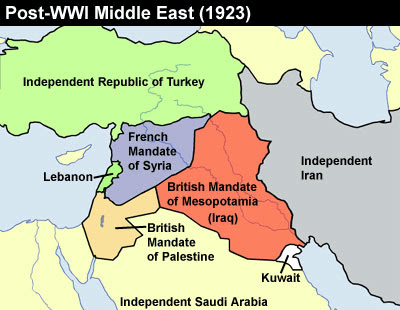
This new form of colonialism was known as the mandate system. Of the territories previously controlled by the Ottoman Empire, France was given Lebanon and Syria, and Britain was given control of Iraq, Palestine (now Israel and the Occupied Territories), and Transjordan (now Jordan).
In the British Mandate period in Transjordan, Emir Abdullah was installed as king, but Britain retained control of defense, finance, and foreign policy from the neighboring Mandate of Palestine. They also supported the development of roads, communications, education, and other public services, including a British hospital built in Azraq in the 1940s.
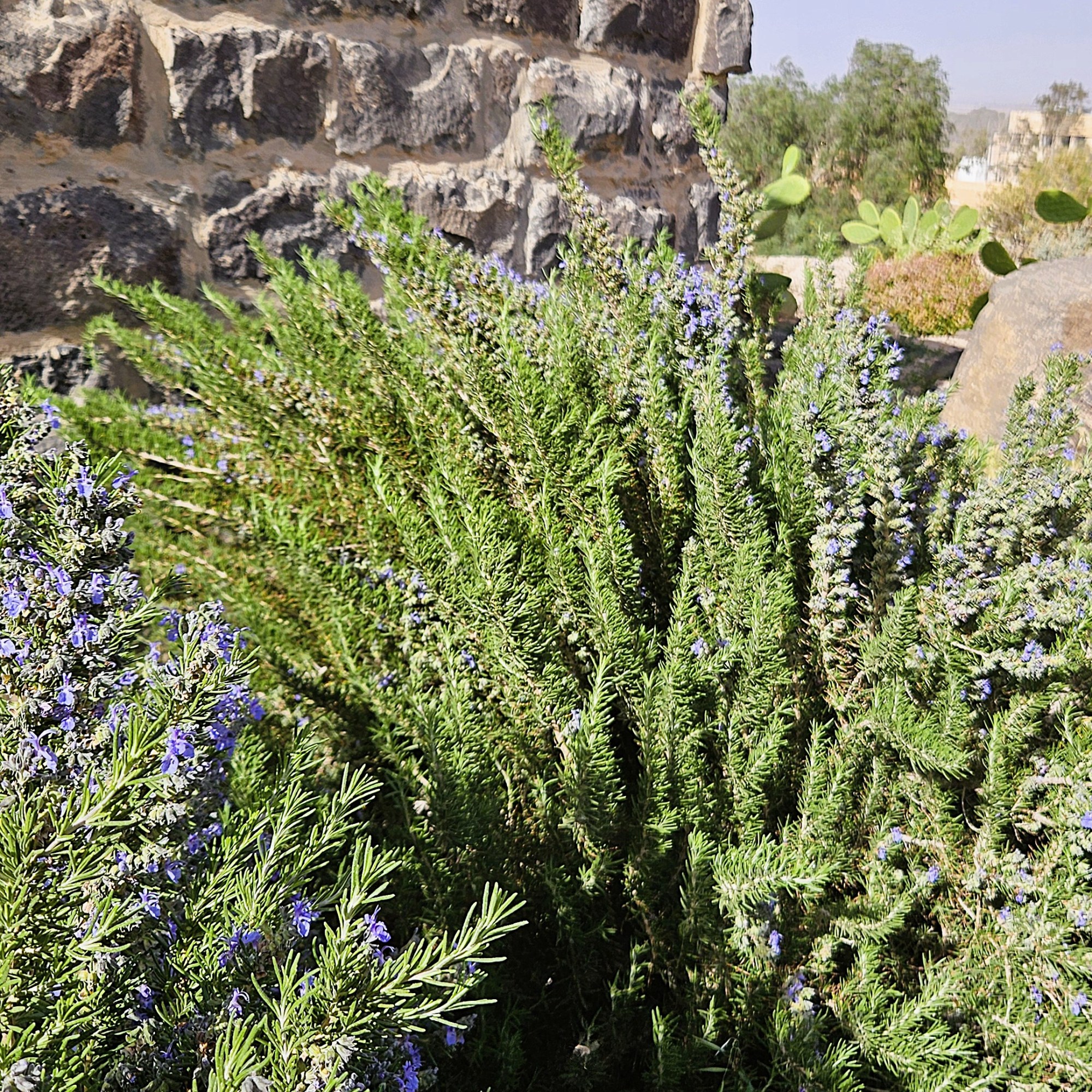
The building has changed hands a few times, until it came into the care of RSCN and was converted to the Azraq Lodge. That’s where we ended our day with a delicious late lunch and some games on their beautiful patio.
 MaryahConverse.com
Leave a reply to Umm Qais: Clifftop Decapolis city – MaryahConverse.com Cancel reply