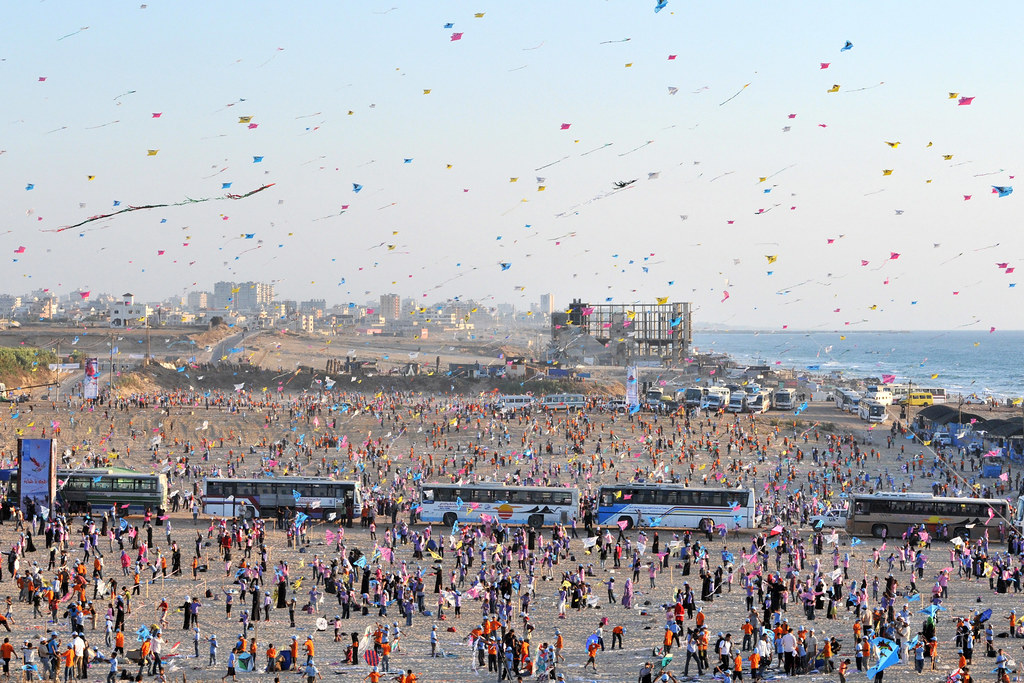
After the horrors of October 7th, 2023, and the senseless unending slaughter unleashed upon the Gazans over the last year and a half and more, the new creative writing form of “flash fiction” seemed the perfect medium for catching the sudden, brutally short anguish of families uprooted, ripped open, and ripped apart again. The limited space of the form matched the limited space and time of a people battered from all sides and above by forces so completely beyond their control.
Several of these vignettes tumbled out of me in a series of afternoons in the fall and winter of 2023 into 2024, as I pored over the horrors on social media and in the Middle Eastern press, including Israeli influencers and NGOs, and struggled to synthesize what I was seeing with what I know of Arabs and Palestinians. To my gratification, many of these flash pieces have found the appreciation of editors: “Men at Work,” “Mother. Land.” and “Obituary of a Clan” that turned itself into a poem, as well as the poem “Interdependent Web of Resistance” that has already been reprinted.
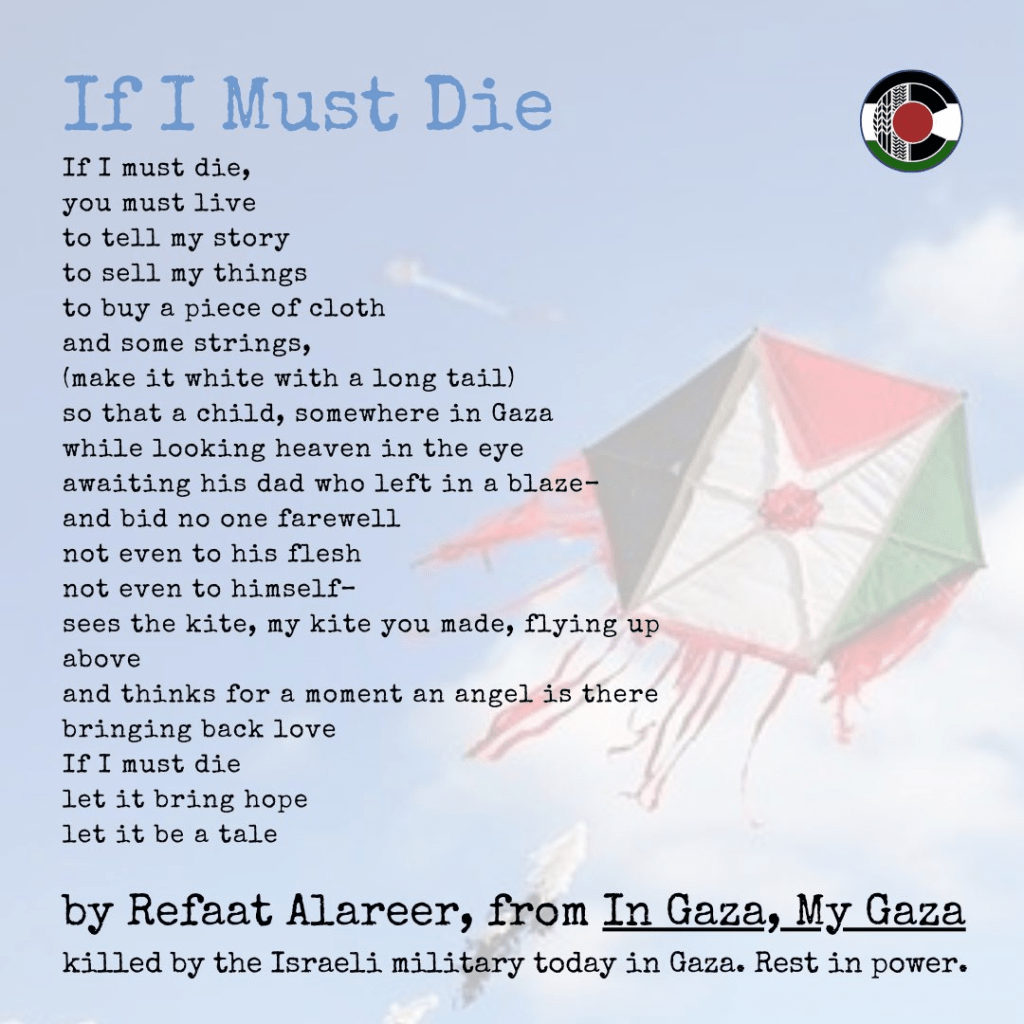
This piece is different. There’s plenty of negativity in the world about Arabs and Muslims, and usually, I strive not to add to that side of the region’s story. But when I wrote “Fly Away,” I was angry, heartbroken over the Orwellian new designation WCNSF (wounded child, no surviving family), over the death of the poet Refaat Alareer and the many memes of his poem.
I wanted this story to be a little more raw than I usually write, more visceral, jagged and unsettling. I wanted it to hurt, like little girls were hurting all over the Gaza Strip. Little girls stripped of everything that makes girlhood: stripped of whimsy, of hope, of home, of a future, stripped of family and friends, of school and home.
Perhaps this is what made it harder for editors to accept “Fly Away,” with its hard elbows and underlying suffering. Until now.
The editors of Boudin, the “spicy online cousin” of The McNeese Review, have now chosen my flash fiction story “Fly Away” for their Finding Home: Immigration and Displacement issue. I hope you find it compelling.

 MaryahConverse.com
Leave a comment