The last time I lived in Jordan, the Wadi Dana trail was at the top of my places I wanted to see, but the only way to get there was a rental car, which would have involved driving in Amman, which was absolutely out of the question for me…. I couldn’t make it happen.
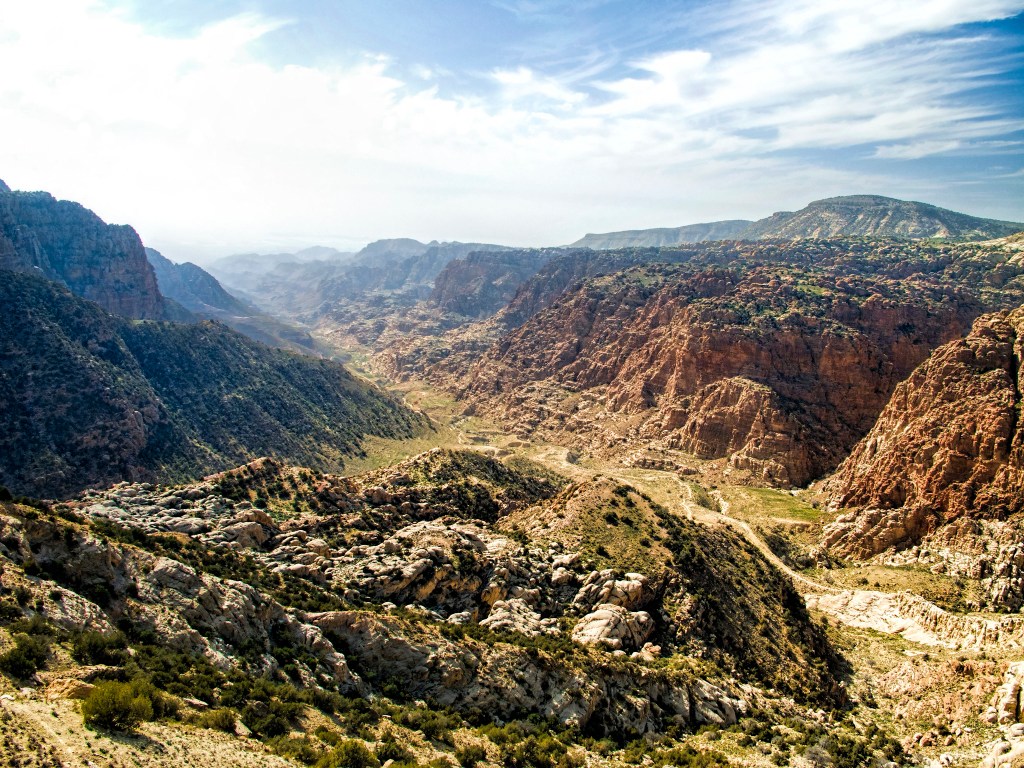
Ecotourism was the new hot thing when I last lived in Jordan fifteen years ago, in the wake of the UN International Year of Ecotourism in 2002 and with the support of USAID, and Dana Biosphere Reserve is where it all started. This strategy uses environmental preservation to drive equitable, local economic growth, making ecotourism jobs more attractive than practices that were damaging the environment.
The local communities contribute to eco-tourism by leading tours and hikes, working in the lodges and restaurants, transporting people and resources, and other various jobs … resulting in eco-tourism directly supporting around 160,000 families throughout Jordan.
In consultation with the Al Atata tribe that has lived in and around the Dana Valley for centuries, the Royal Society for the Conservation of Nature (RSCN) developed a plan to care for Jordan’s largest nature reserve in zones: designating some parts of the reserve for the tribe to continue more sustainable grazing practices, and others for habitat preservation and tourist recreation. Local people run the hotels, gift shops, eateries and other local tourist-serving businesses, and as much as possible, local agriculture contributes to the food made and sold in the reserve.
USAID powered ecotourism, as well as decades and dozens of other initiatives, that have uplifted Jordanians, their health and environment, and their cultural treasures, and have built enormous goodwill towards the United States in the process. DOGE and Sec. Rubio demolished all that in a matter of weeks, putting 35,000 Jordanians out of work, and undermining the soft power that helps support our national security and prosperity.
Make a call to your representatives and express your disapproval.
RSCN and USAID have also established lucrative fair trade industries in Dana and all of Jordan’s nature preserves. Local women’s collectives around Dana grow and dry herbs for the Dana Tea sold in the gift shops of all the reserves, as well as the flagship Wild Jordan Cafe and Center in Jabal Amman, one of Amman’s tourist and expat centers. Other Dana community members produce a variety of delicious jams, and the reserves also sell products from across the kingdom’s other RSCN ecotourism ventures: Orjan olive oil soaps, calligraphy greeting cards from Ajlun, pottery and mosaics, embroidery and other textiles, jewelry and ceramics, and much more.
With the benefits of ecotourism so plain to see, the community becomes committed to continuing sustainable practices, and I felt like I saw far less littering and plastic bags flying from roadside thistles than I’m used to observing in Jordan.
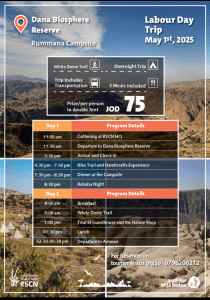
Our Adventure in Dana
This overnight trip to Dana is new to RSCN’s repertoire of excursions – they’ve only previously done it for RSCN and USAID staff – but we’ve enjoyed our previous day trips to Azraq and Ajlun, so we were eager for this opportunity to explore Dana and its associated social ventures.
Rummana Camp
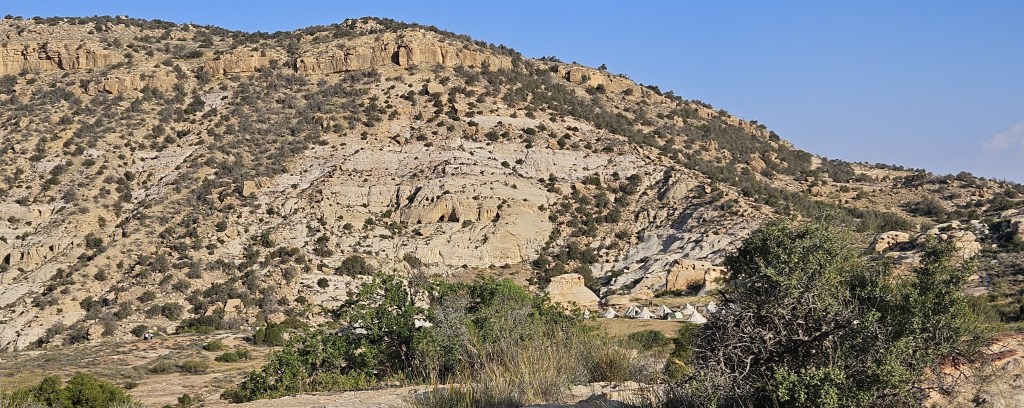
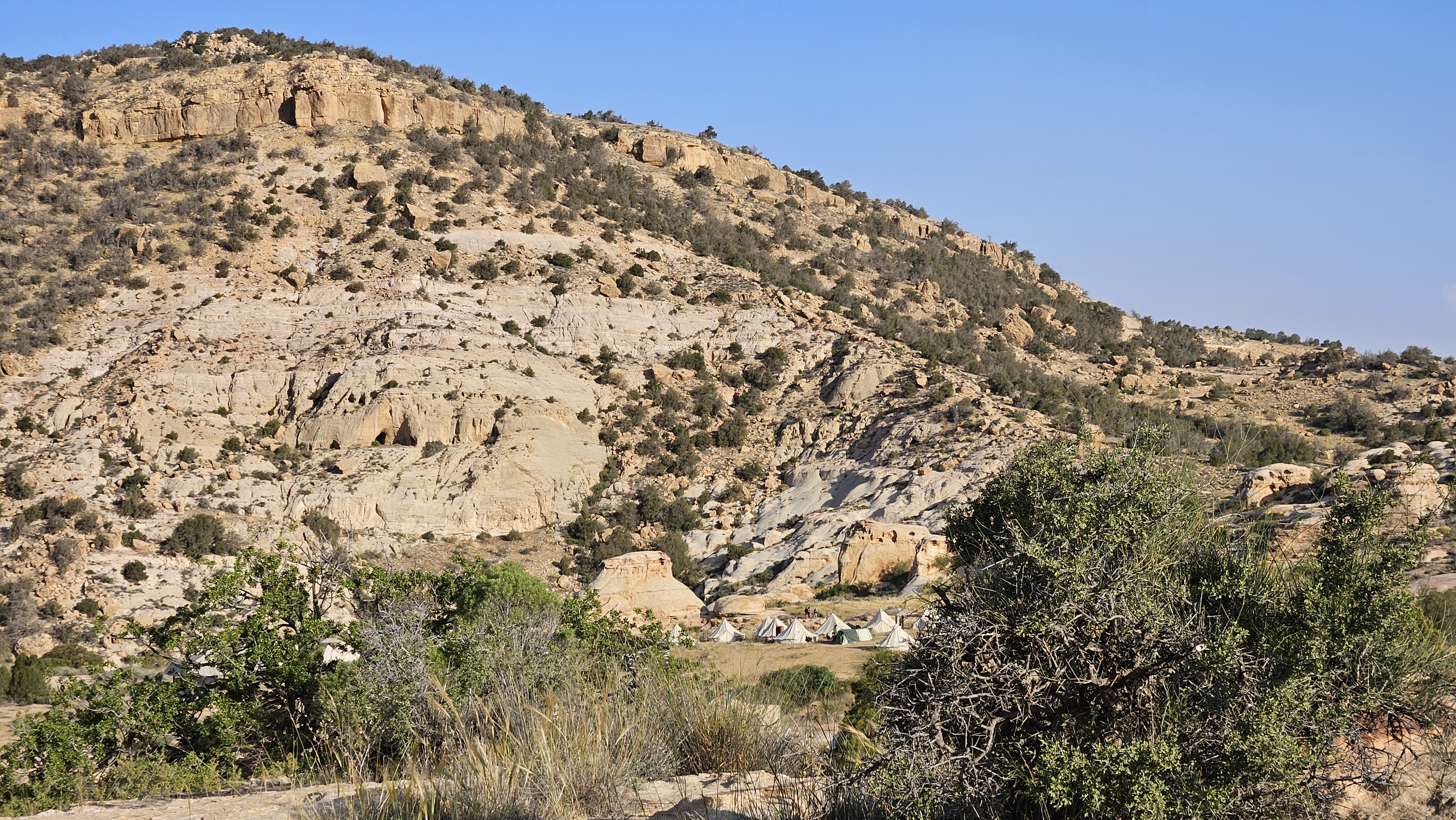
“Rummana” means pomegranate in Arabic, though I don’t recall seeing any pomegranate bushes in the campsite. That’s not a complaint – it’s a beautiful location, a flat hilltop just below the rim at the top of Wadi Dana canyon. Bedouin used to camp here – good grass for grazing, cooler in summer at that altitude, and the view….
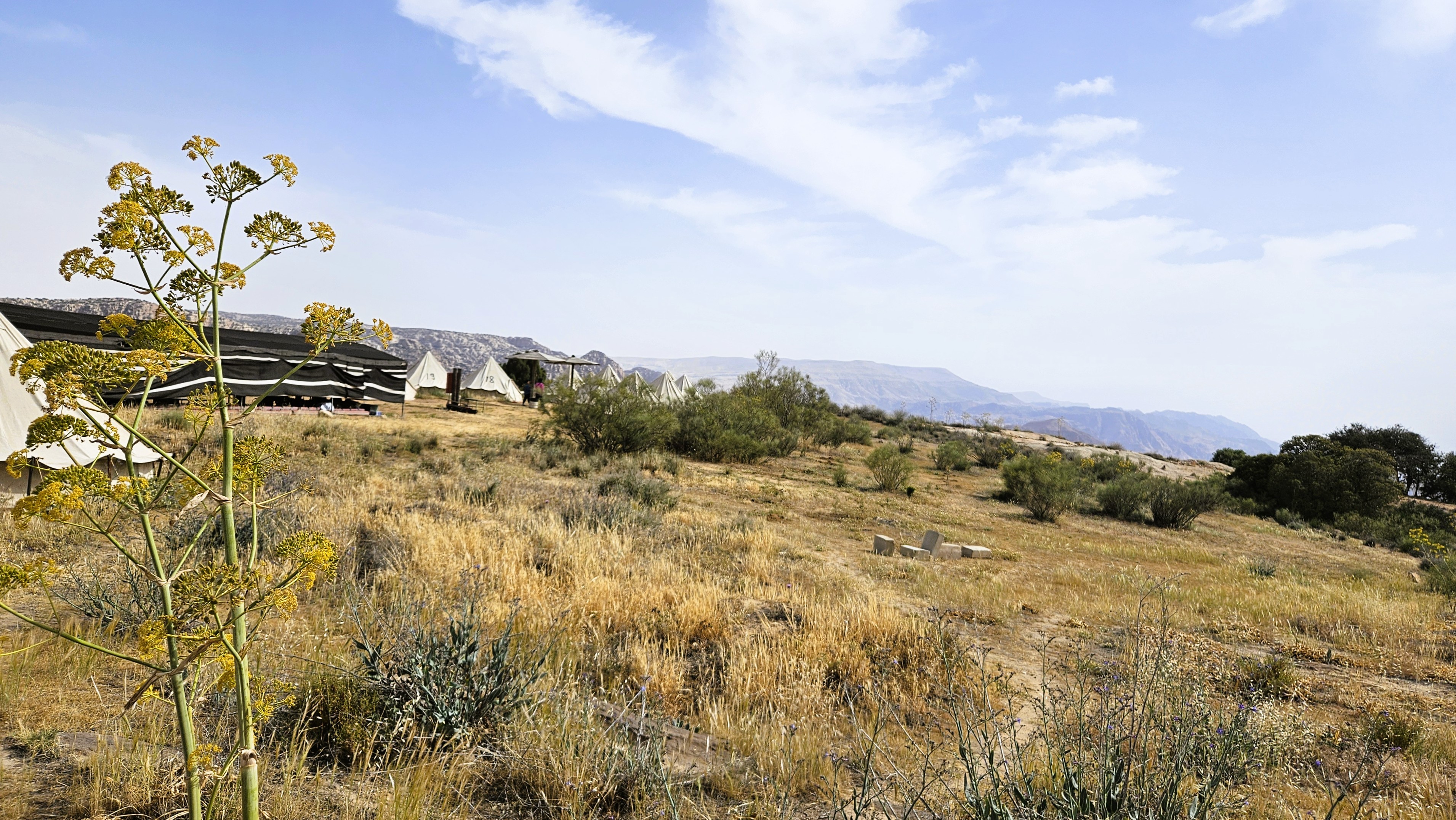
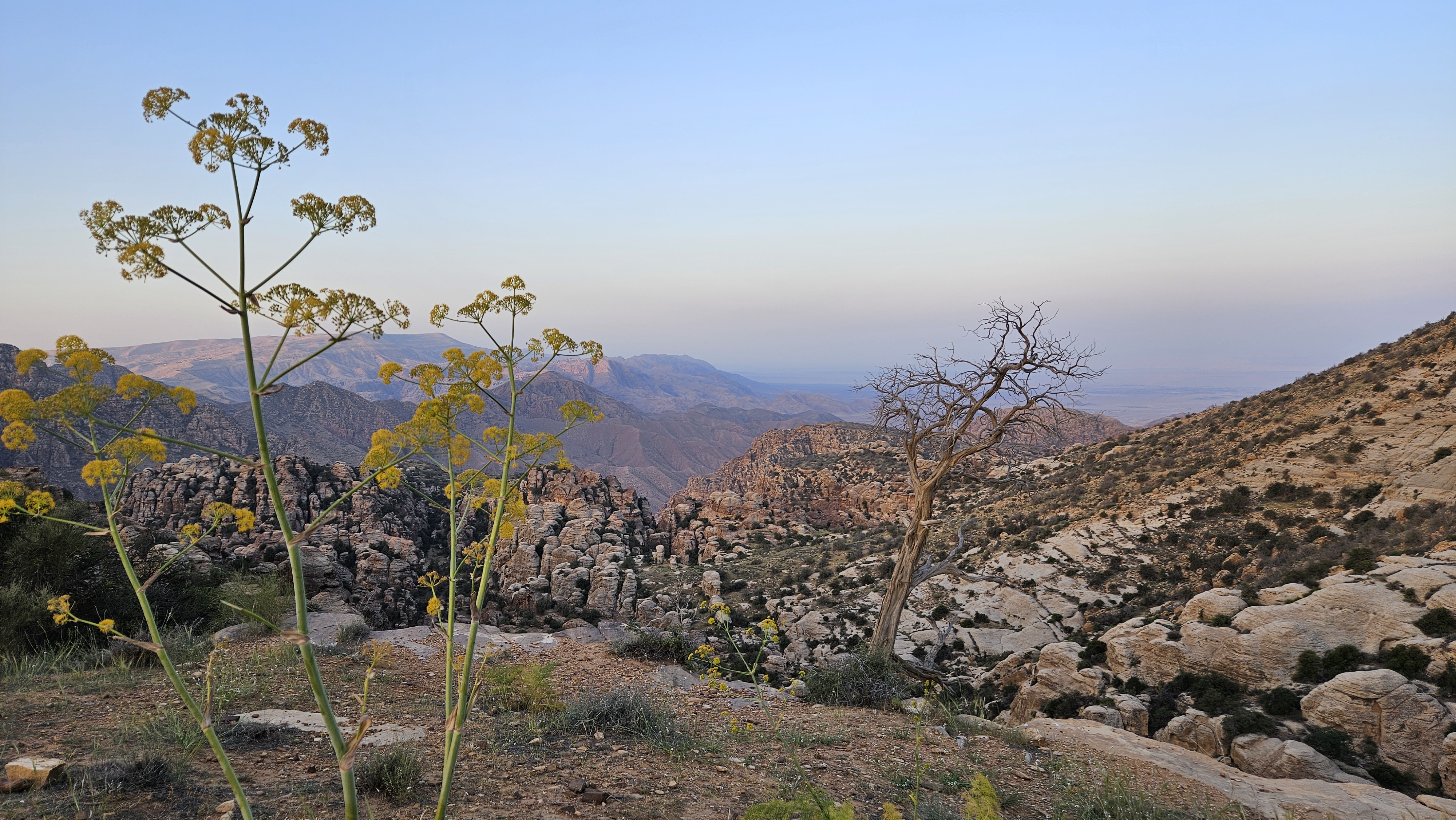
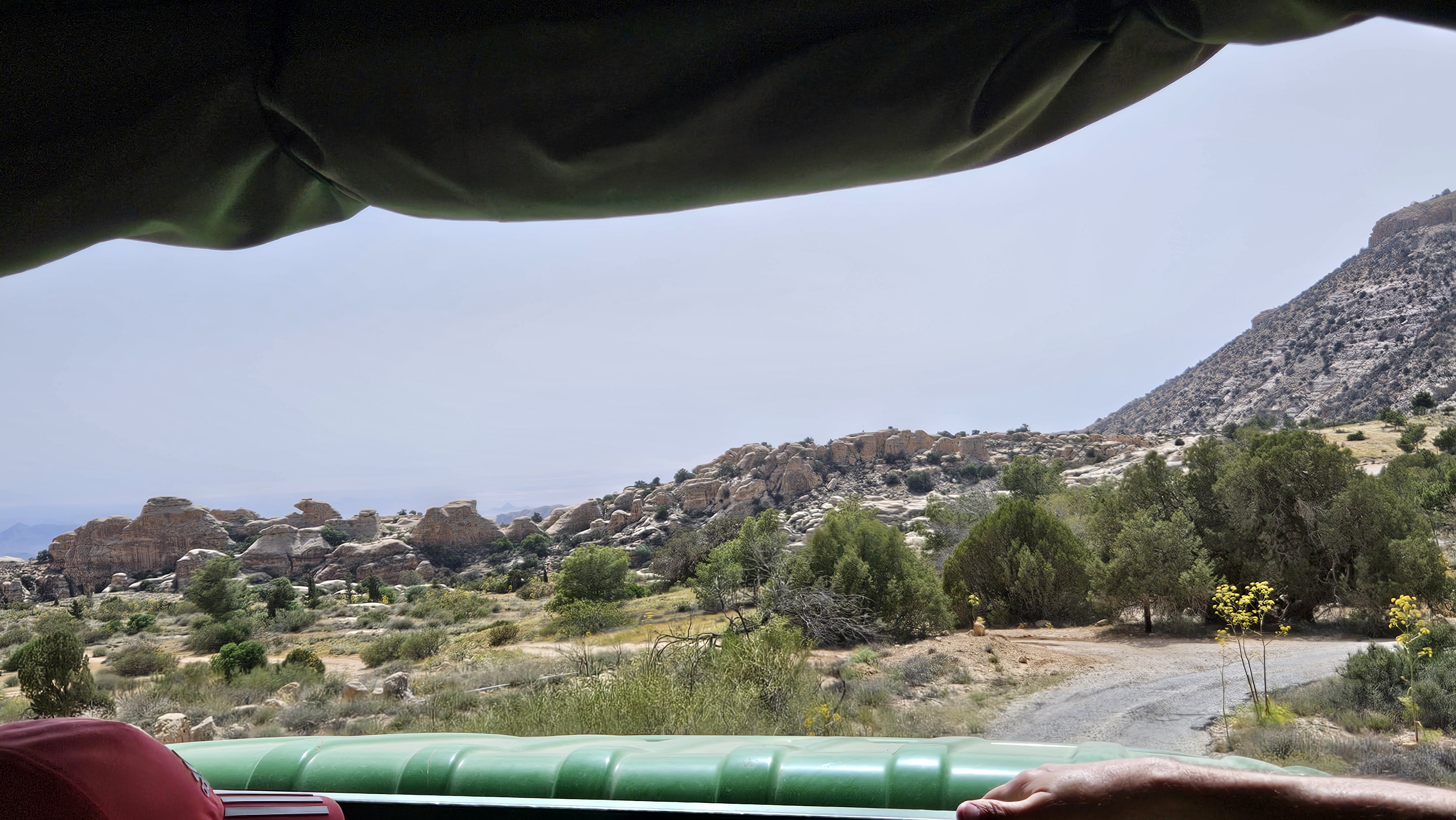
But when I say the camp is below the rim, it’s a very steep rim. The bus delivered us to a parking and staging station at that rim, where we transferred into the bench seating in the canvas-covered bed of a big diesel 4WD truck for the descent to the camp.
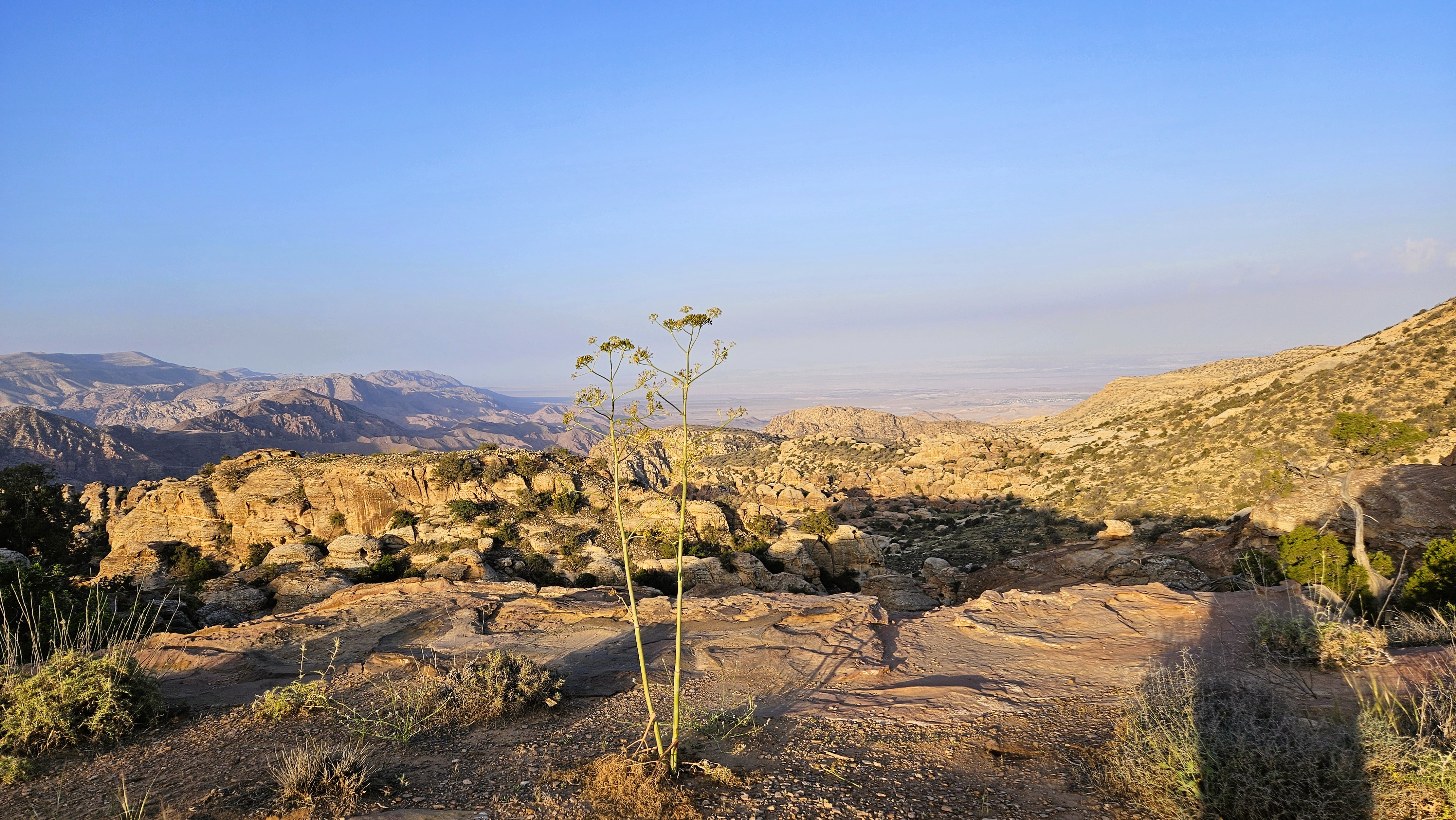
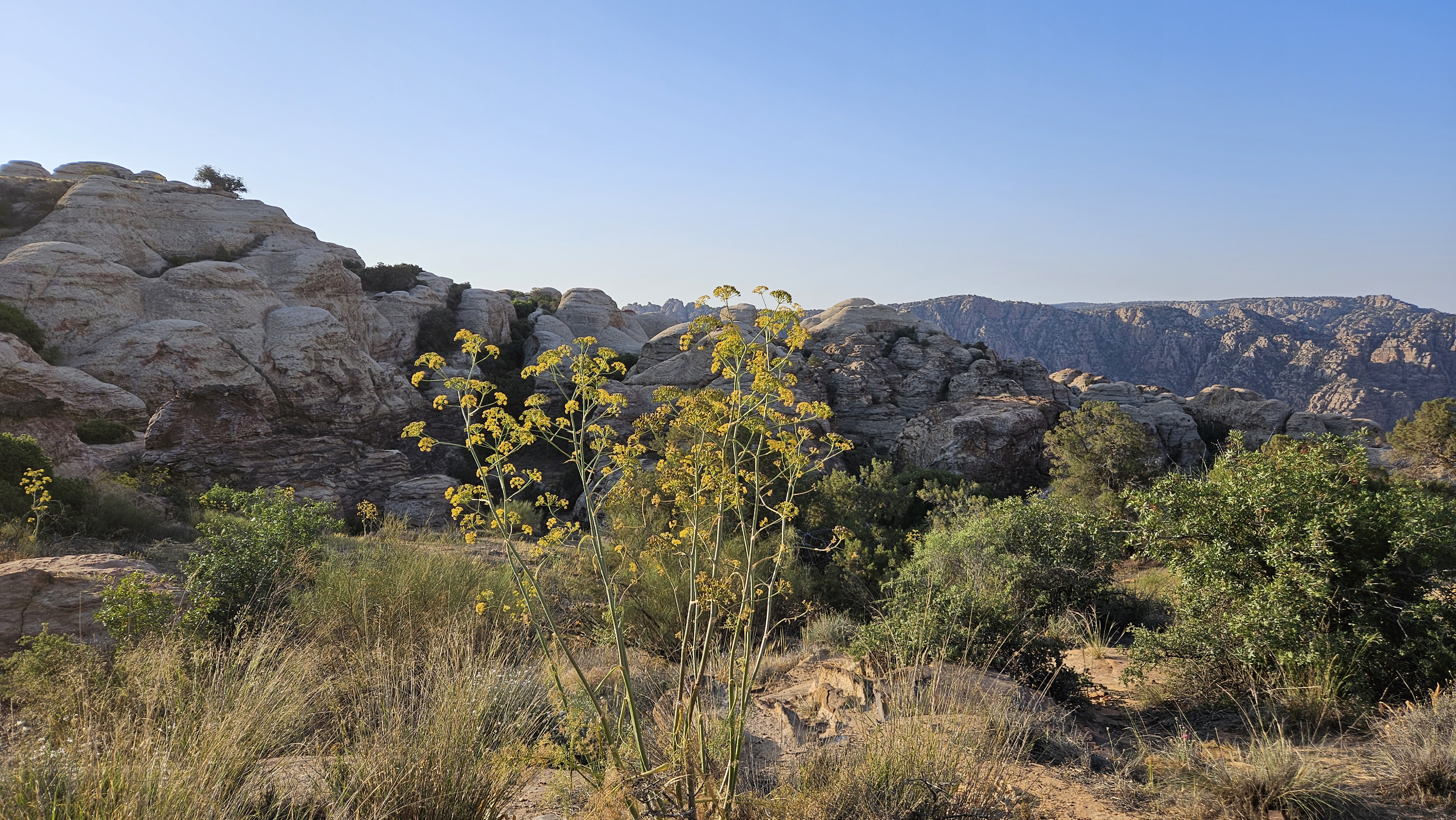
And it was a descent, not for the faint of heart or afraid of heights. At times, it feels like you’re going straight down, like you could slide right down the road like it was ice. But it’s also exhilarating, the dramatic sweep of the valley opening up in front of you, the pine nut trees and tall yellow sprays of giant fennel. And then the land flattens out and the camp appears on the low mound of the lower shelf.
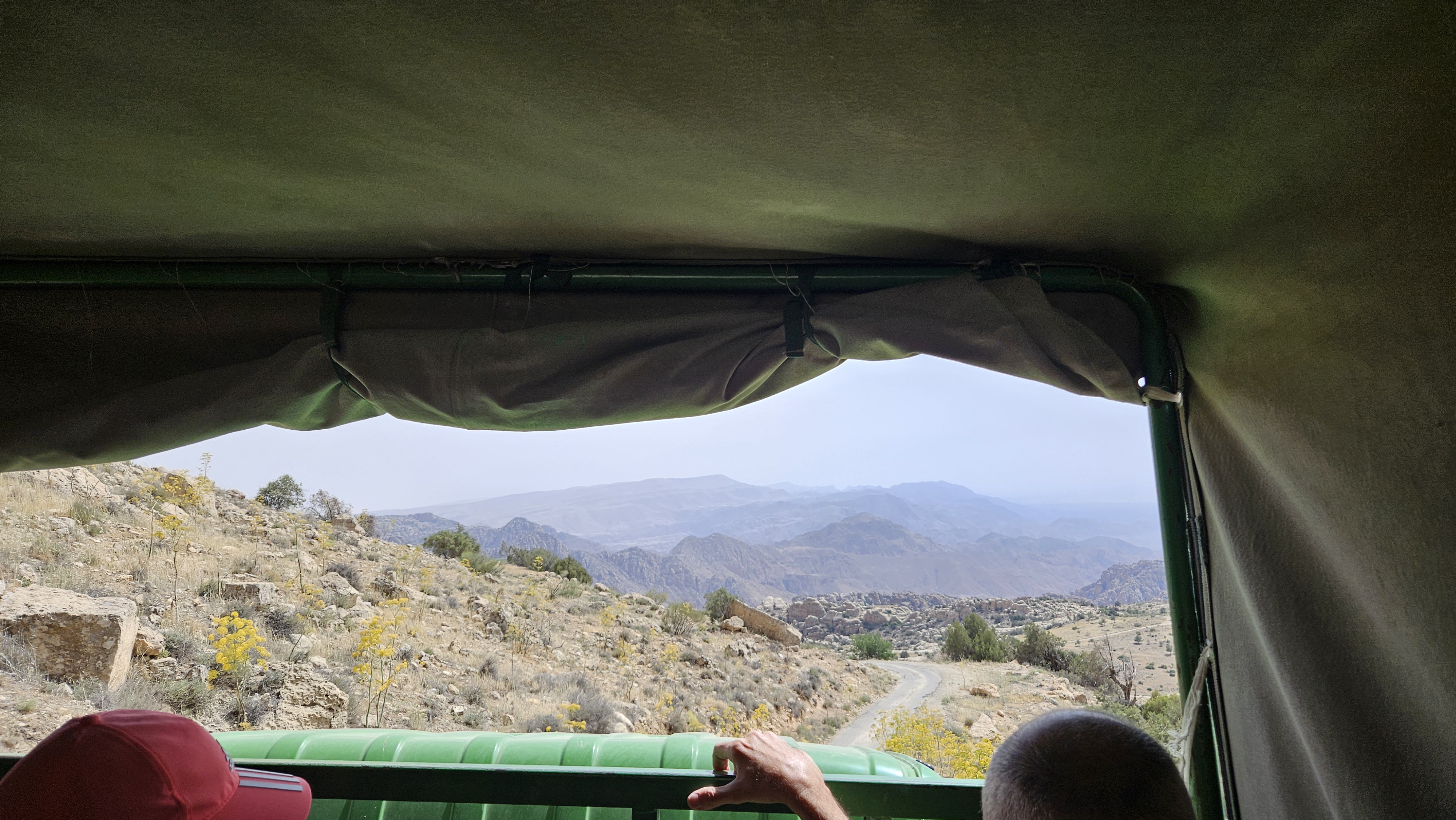
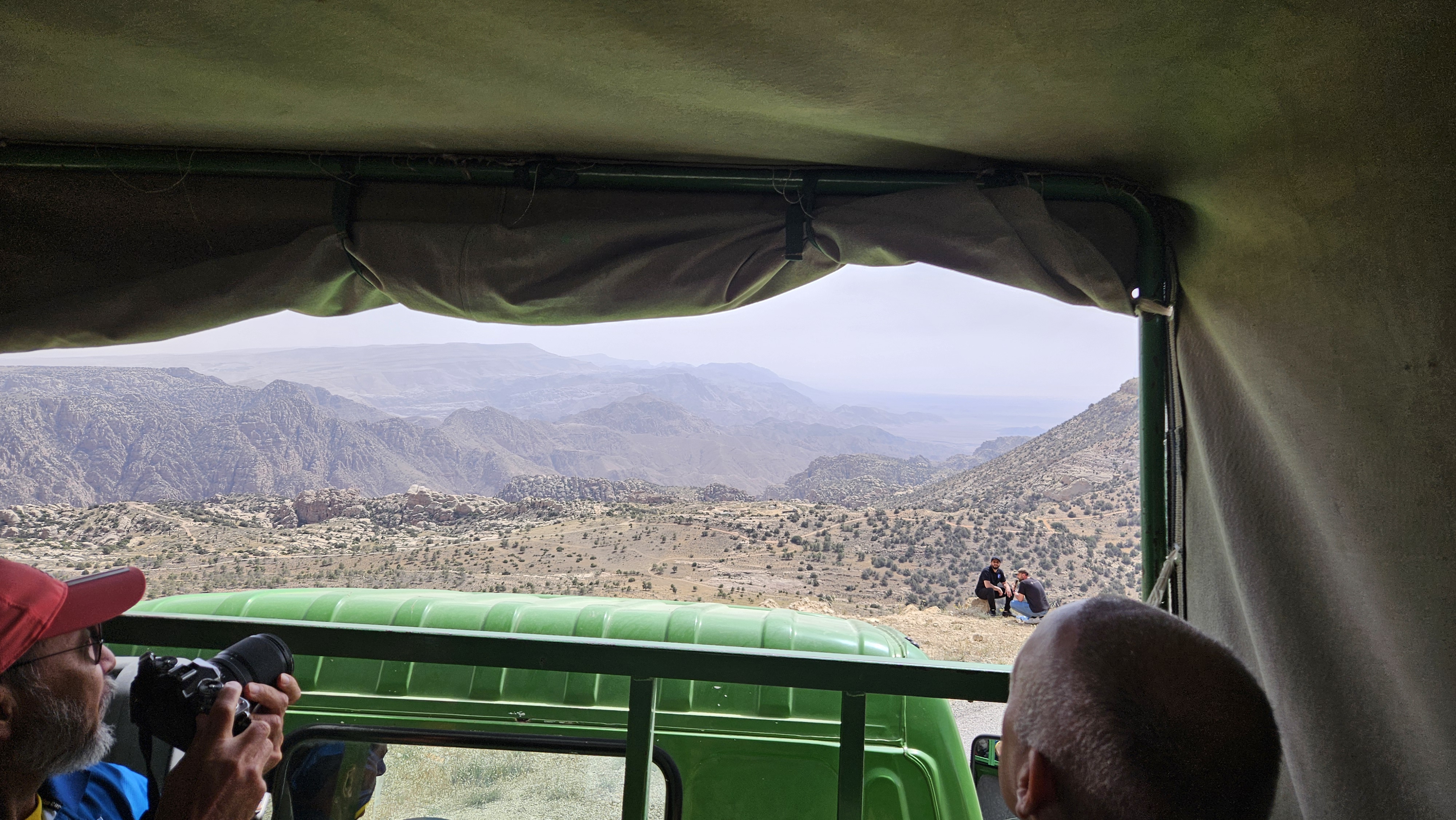
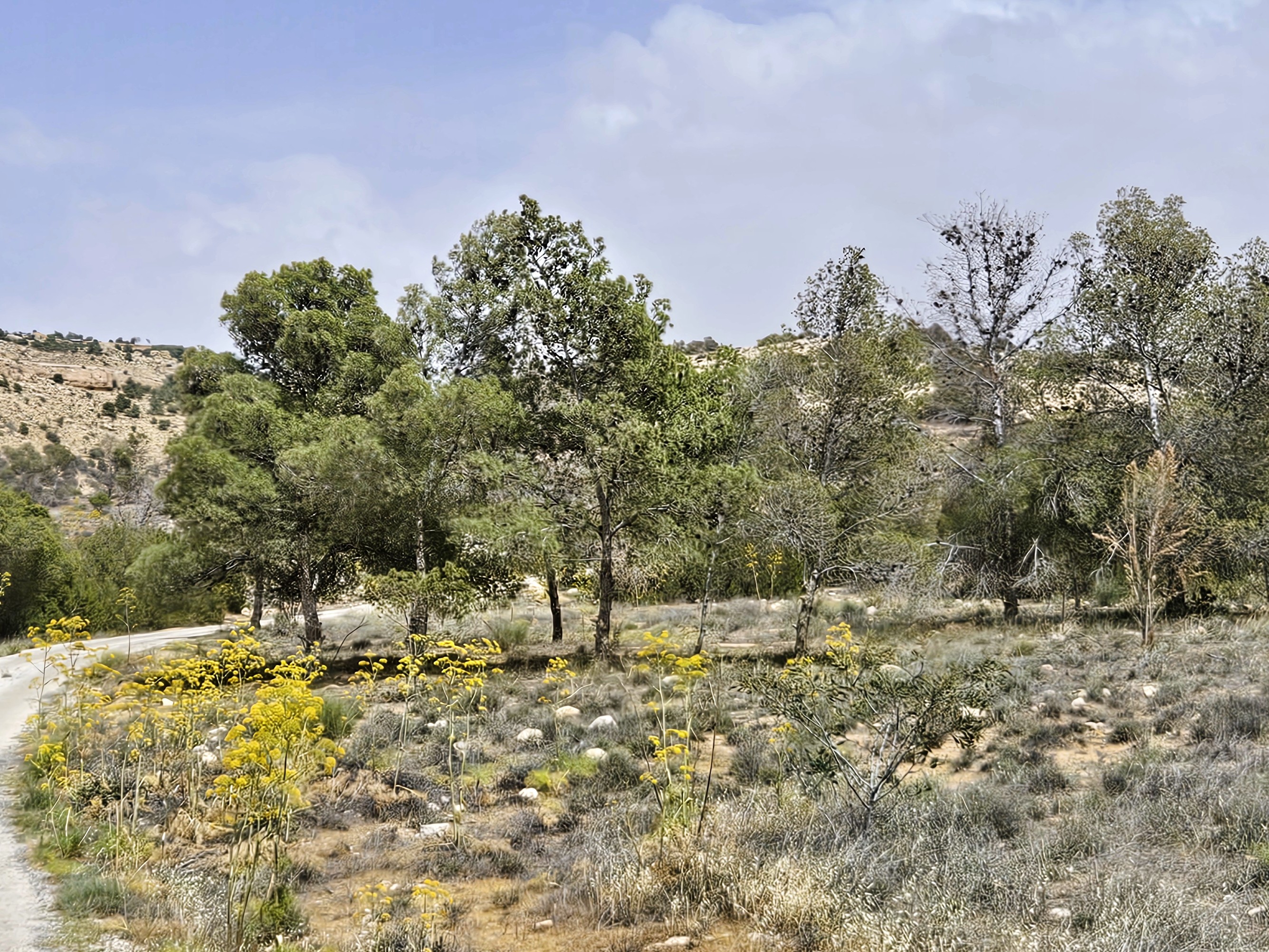
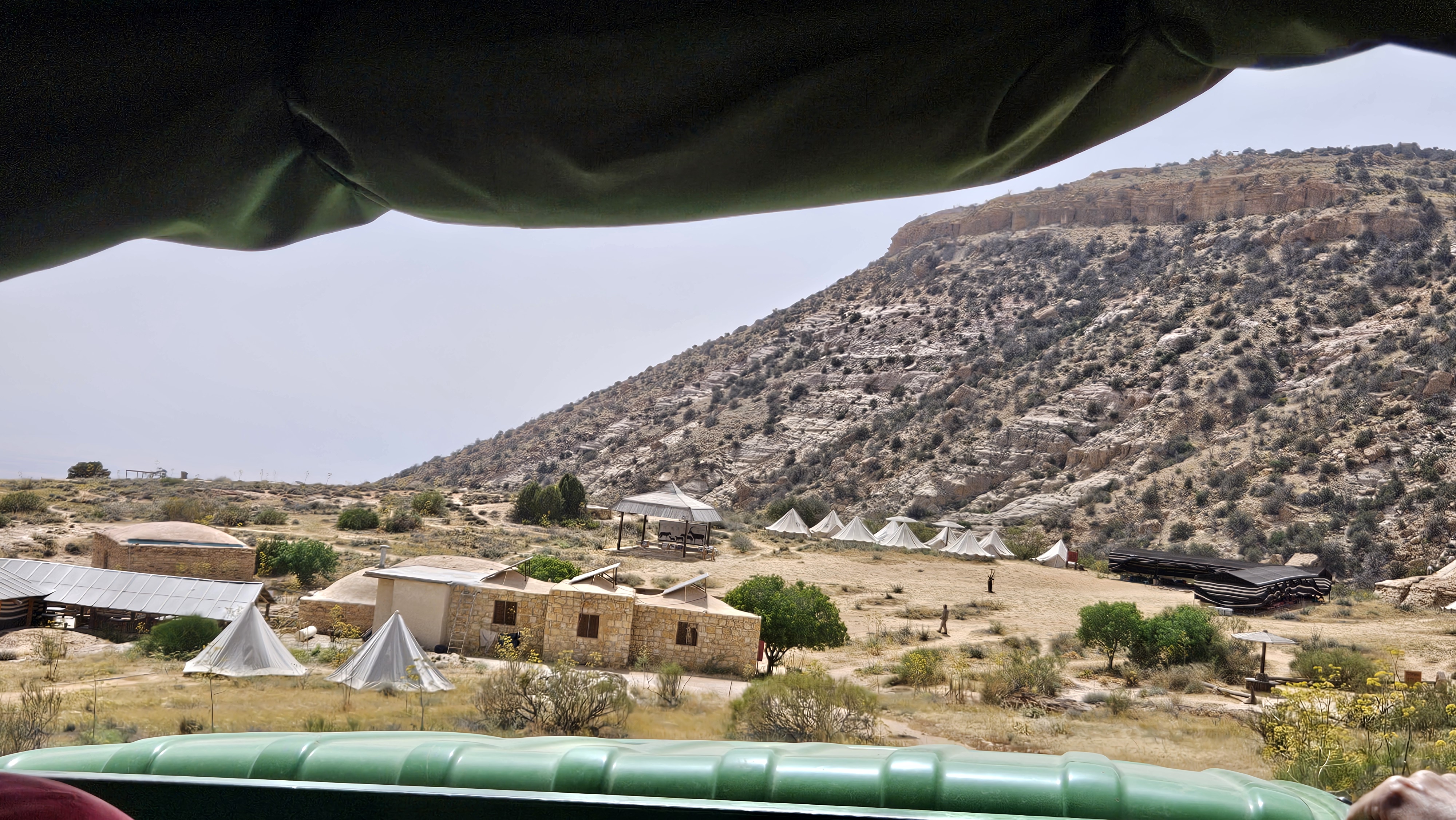
After settling our things in our tents, though, we went right back up that slope for some cycling along the rim and mosaic-making.
Evening in the Rummana Camp was a night of Bedouin delights: a campfire, sweet black tea, rababa music and the stars.
Rummana Camp Trail
We got up at sunrise the next morning for a little hiking a deux, an opportunity to linger on the birds, butterflies and flowers that I knew I wouldn’t have time to appreciate on the group hike later that was the day’s main event. And we saw all that and more: ibex scampering down the next slope!
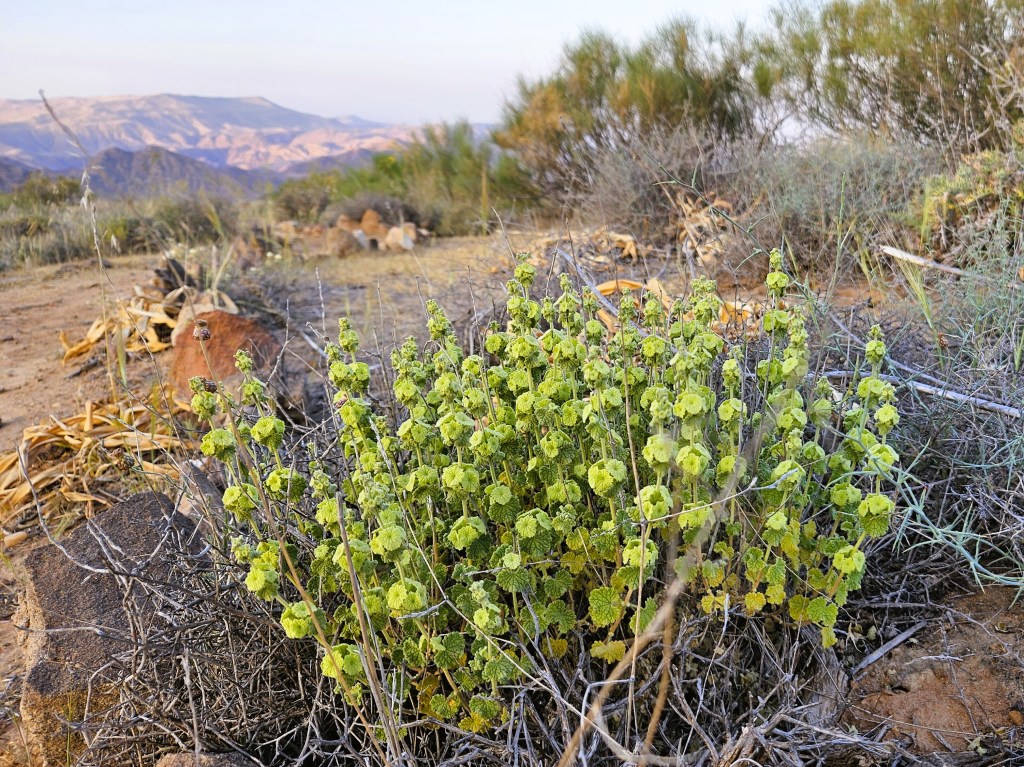
common ballota 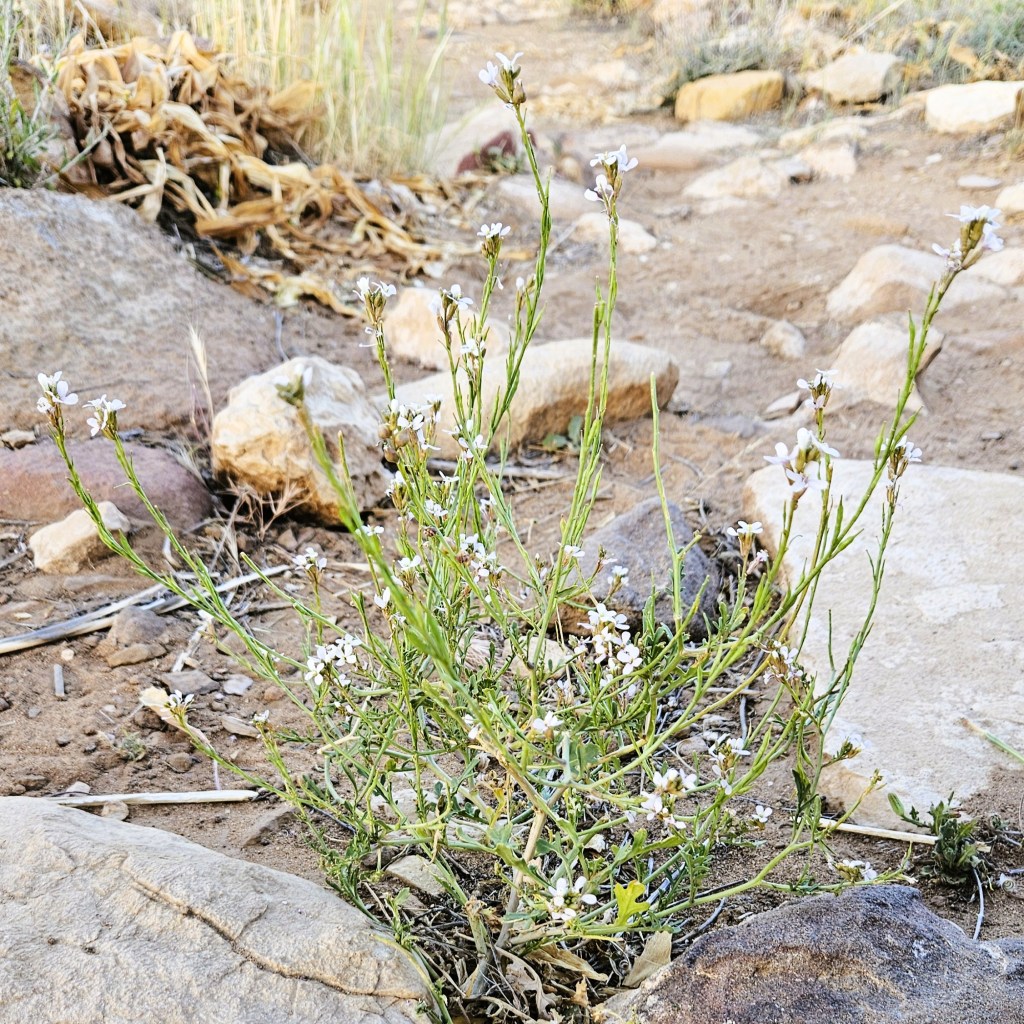
Spanish erucaria 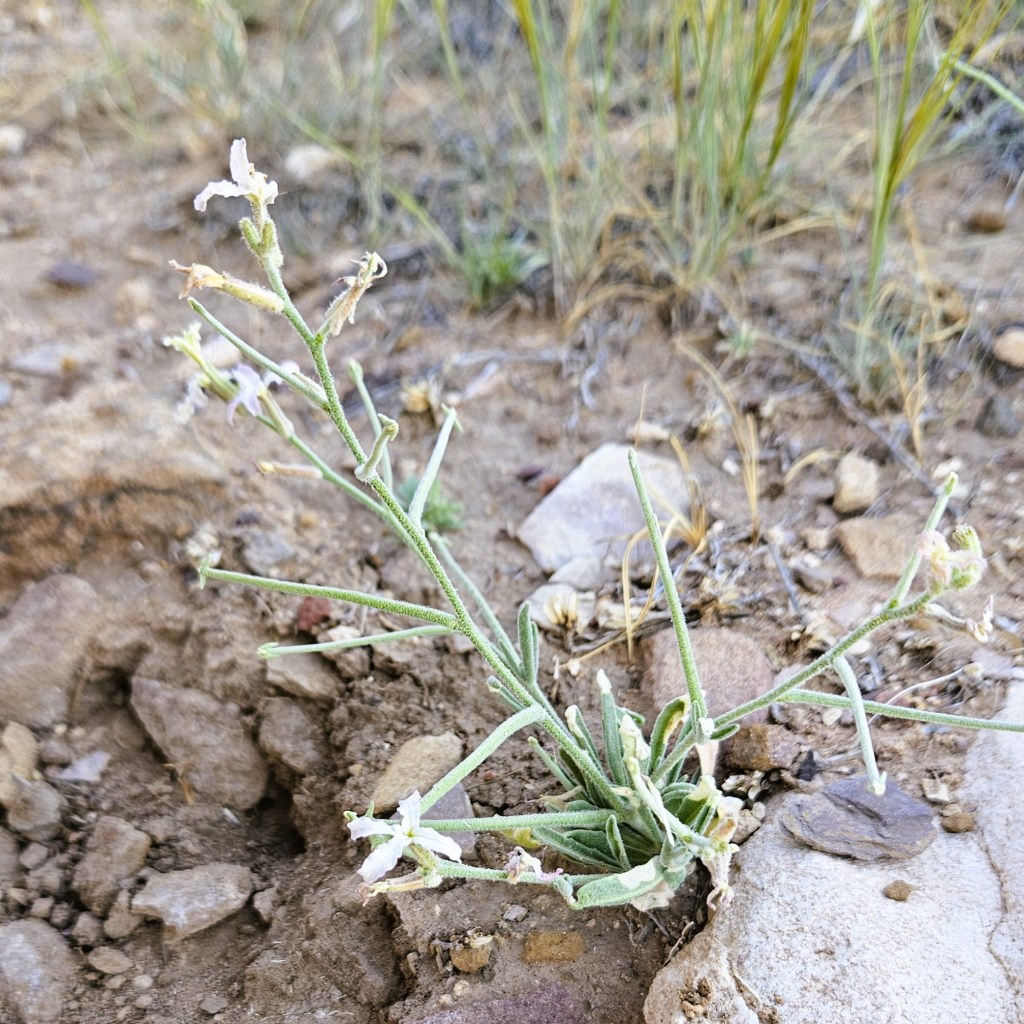
evening stock 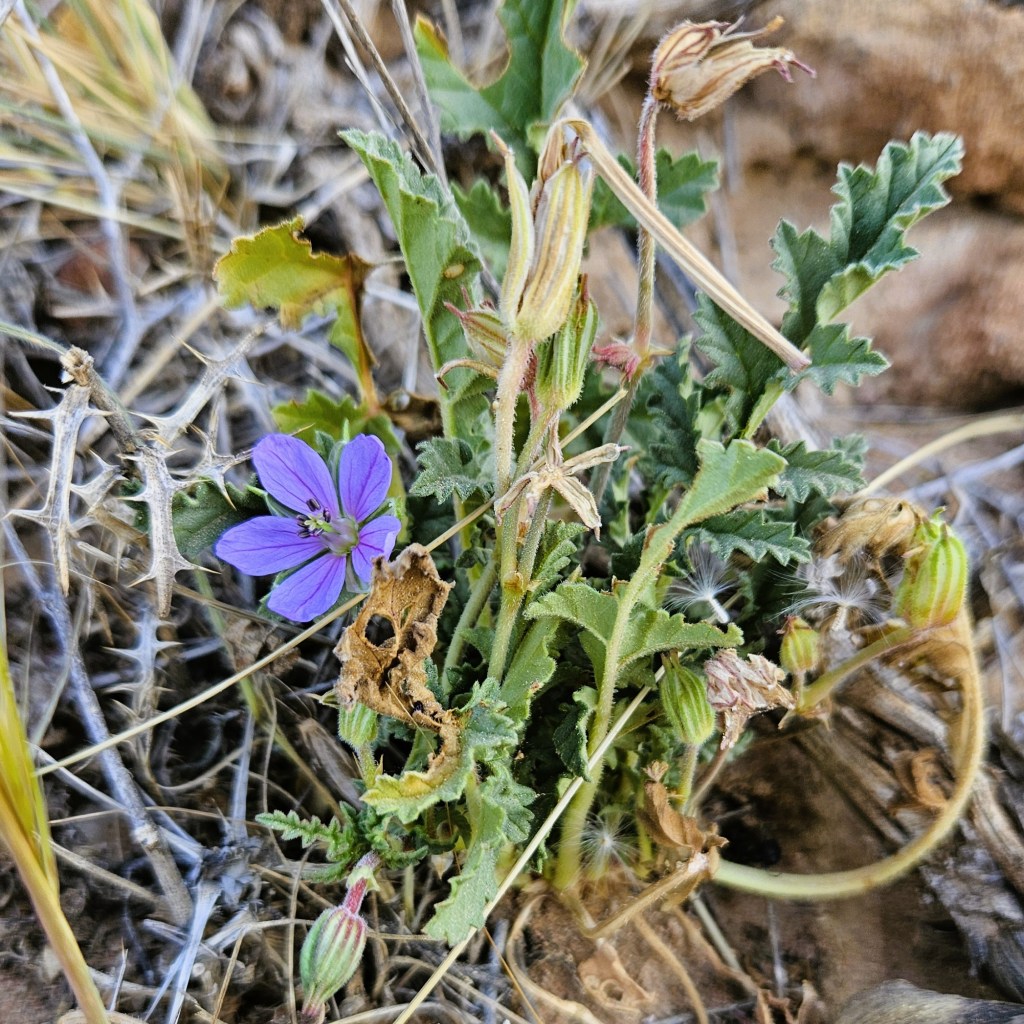
long-beaked stork’s-bill 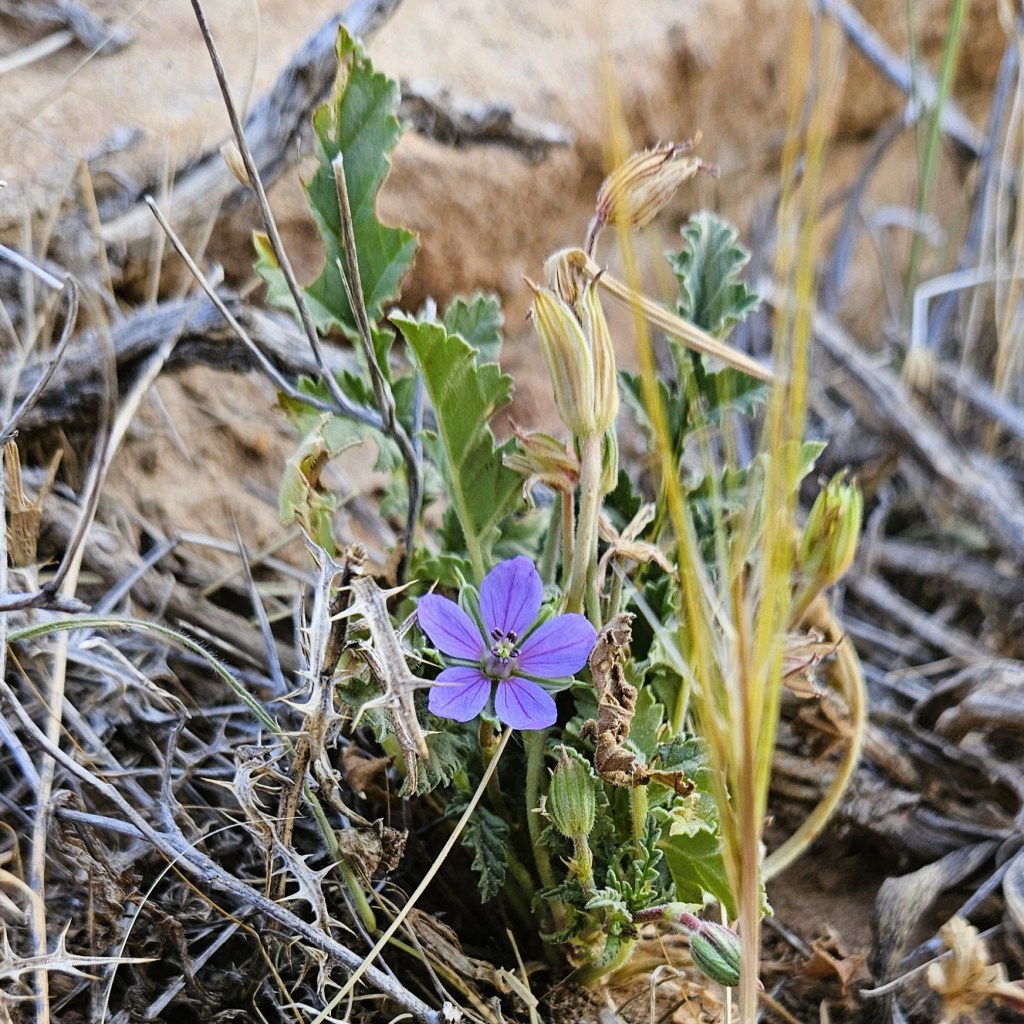
long-beaked stork’s-bill 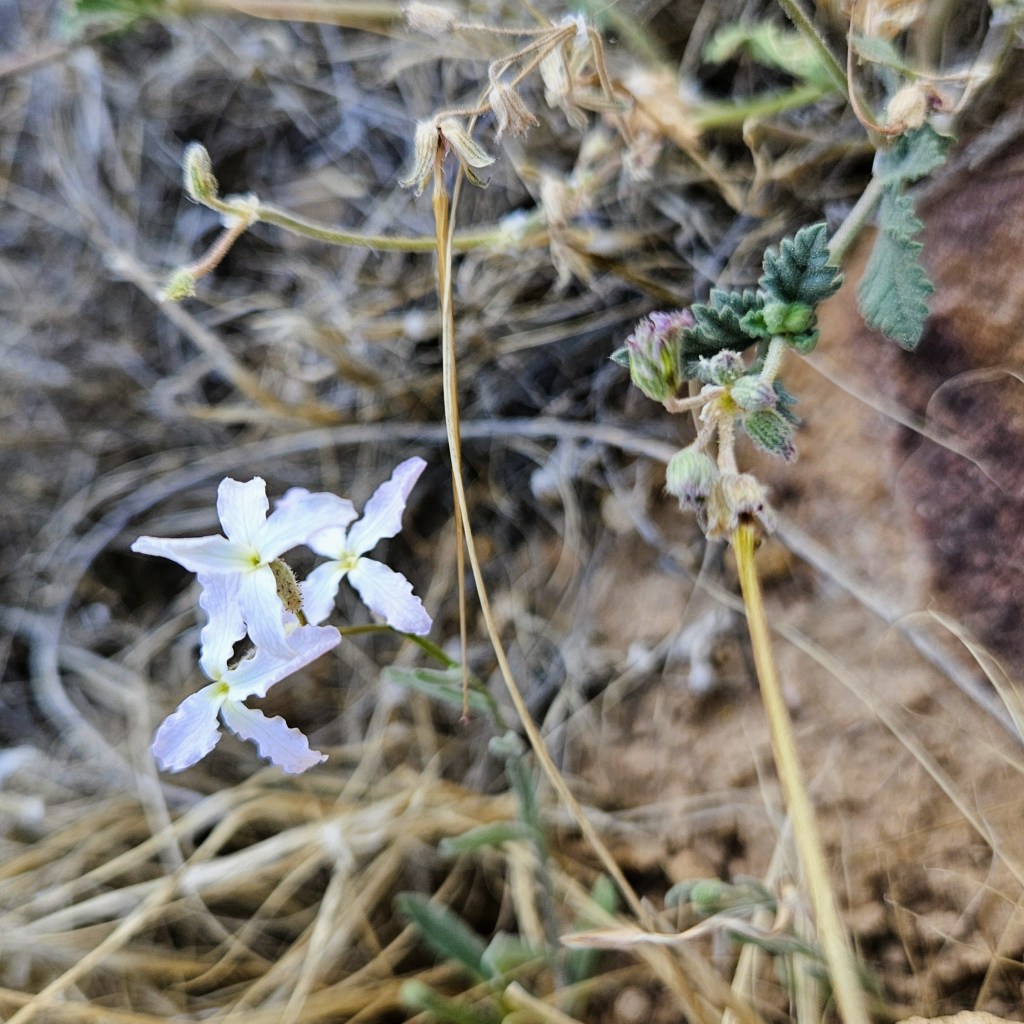
evening stock 
evening stock 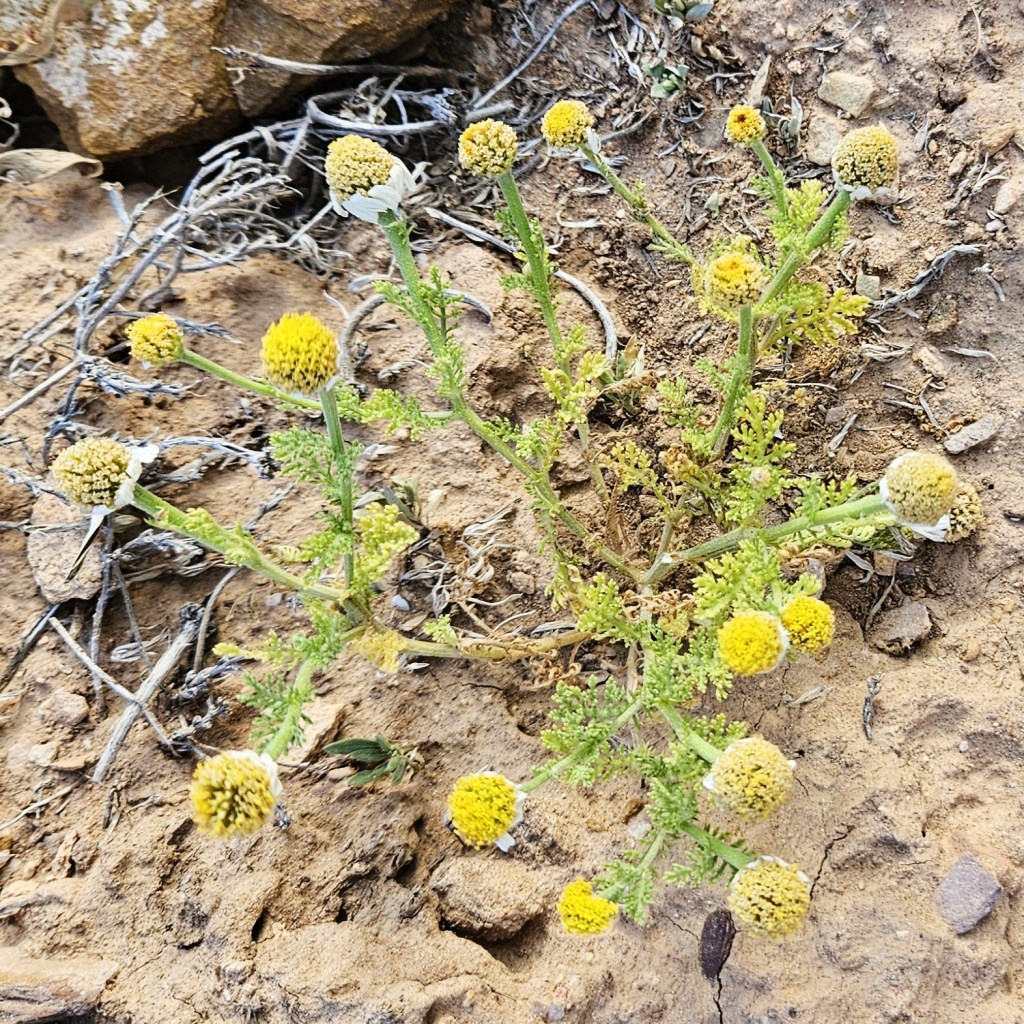
chamomile 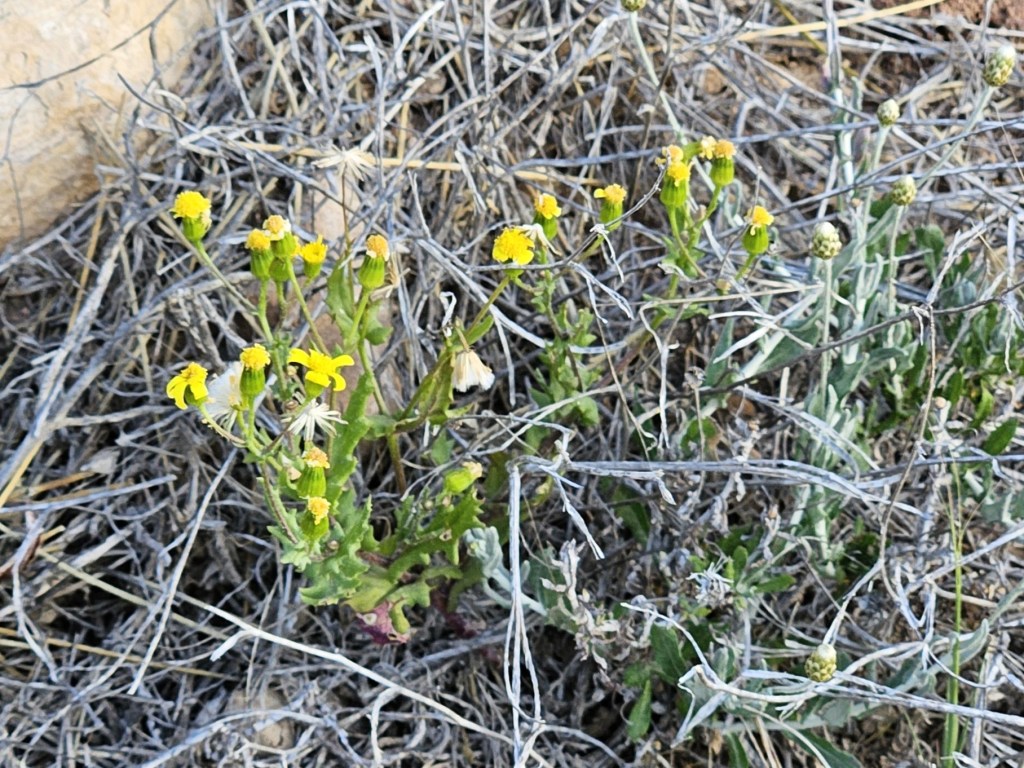
buck’s horn groundsel 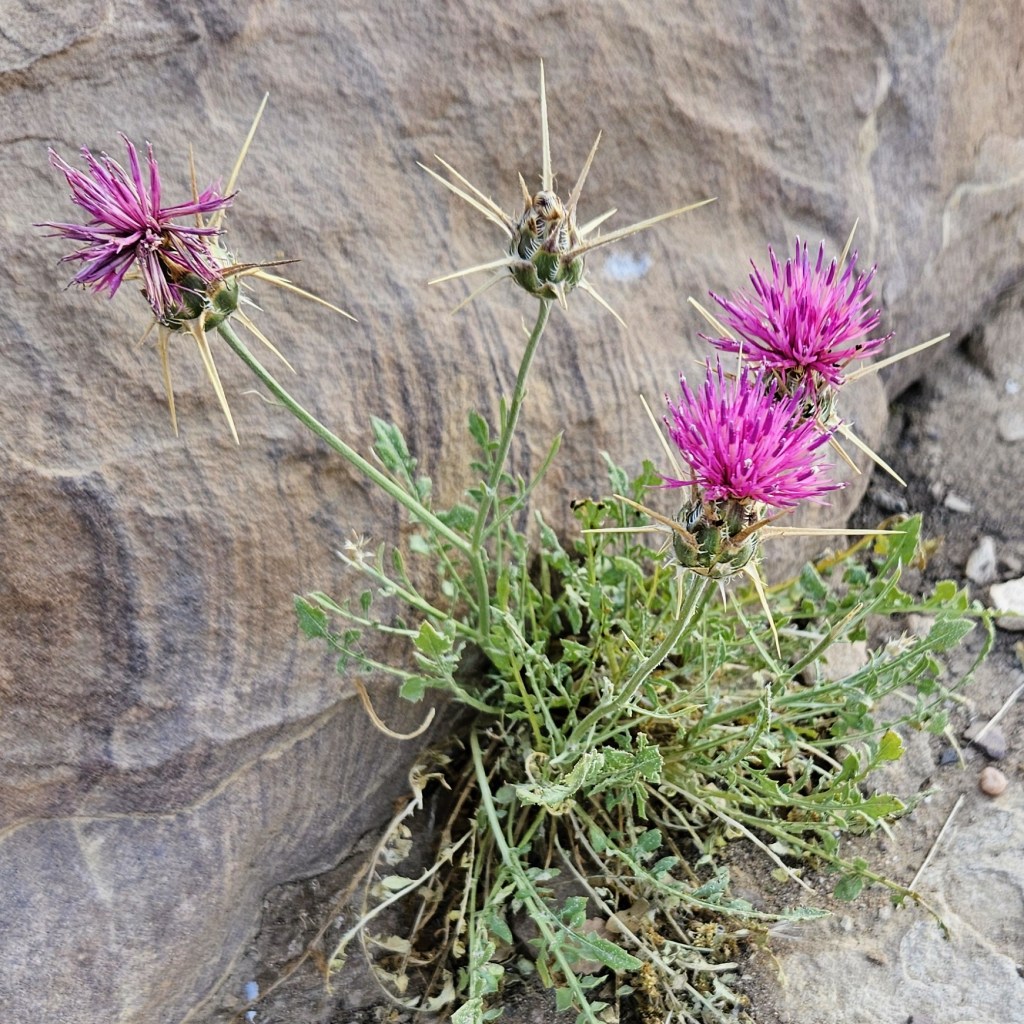
some kind of thistle 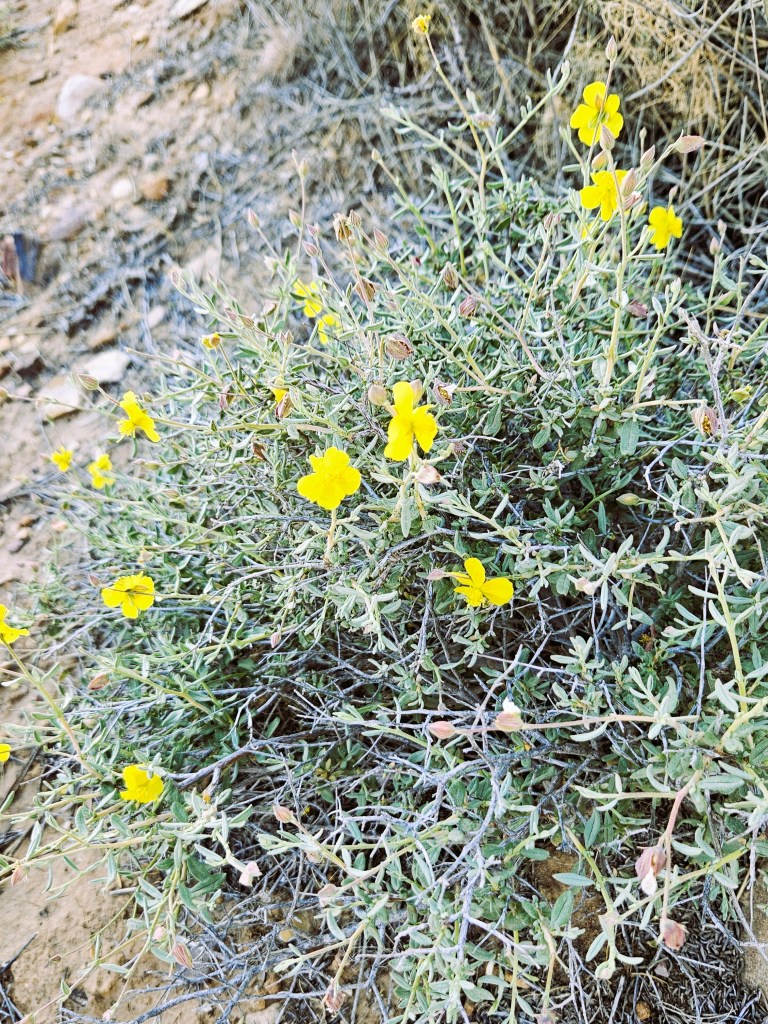
dwarf rock-rose 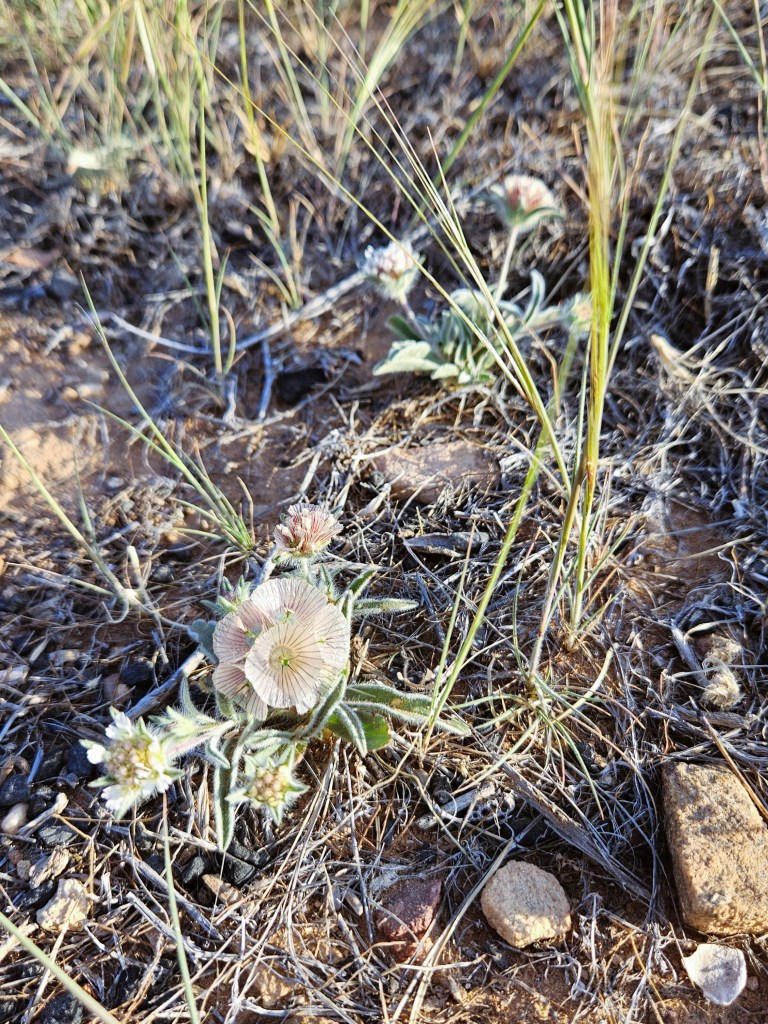
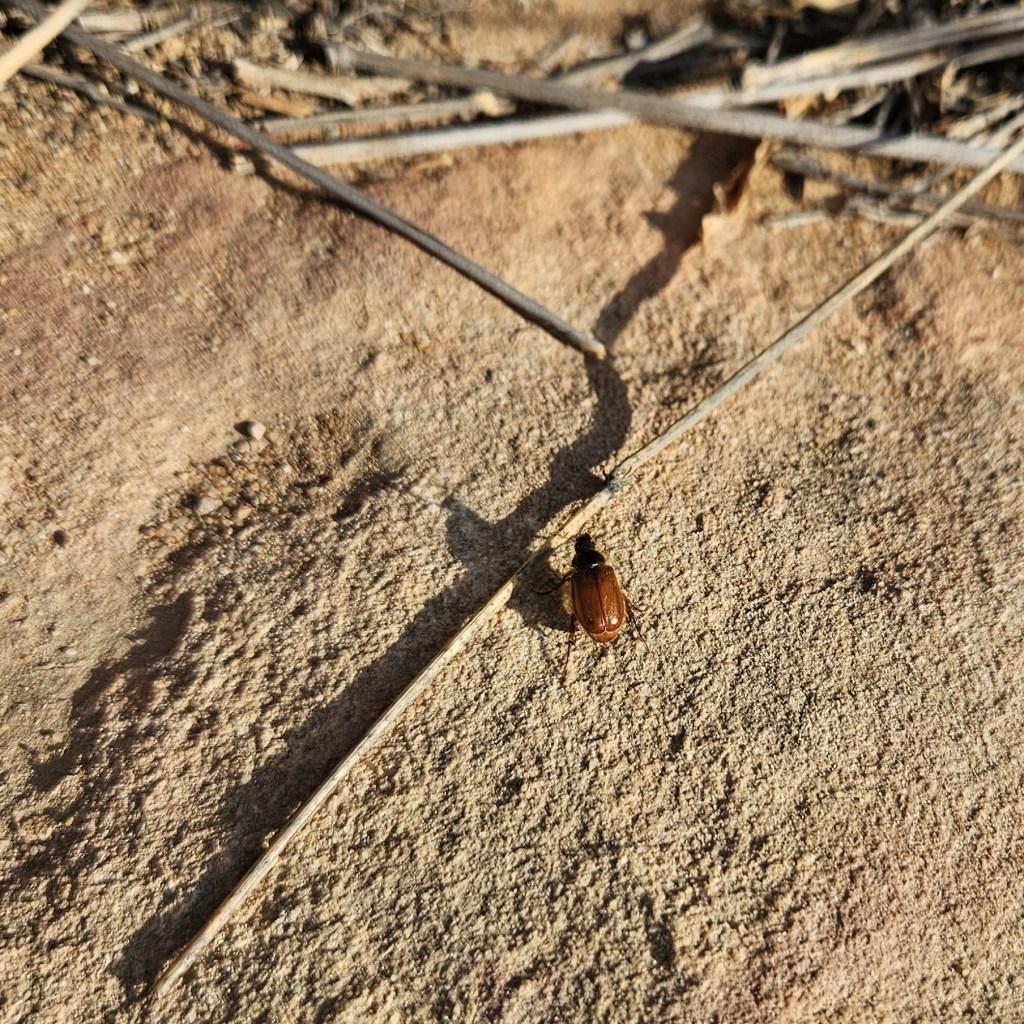
some kind of scarab 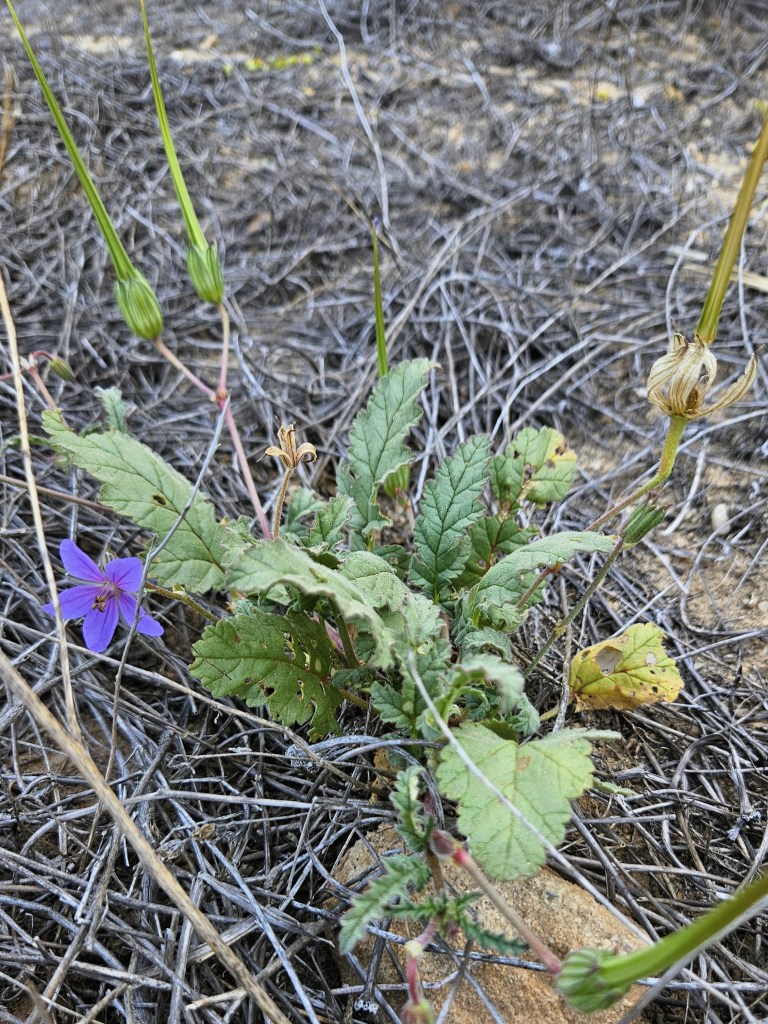
long-beaked stork’s-bill 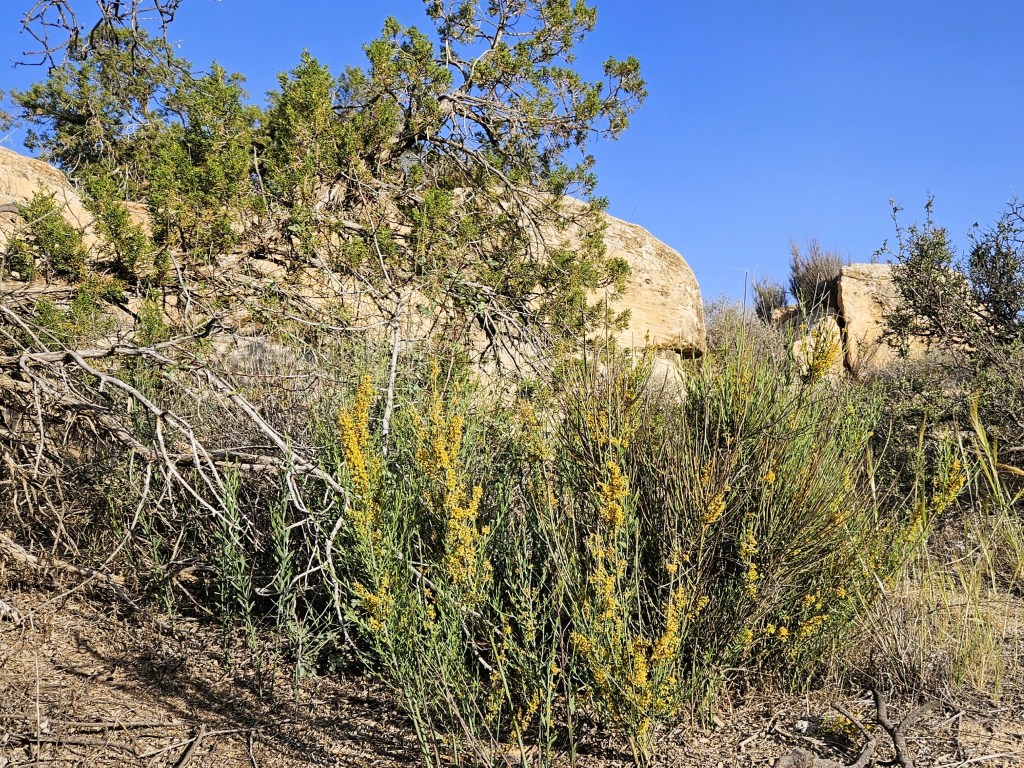
taily weed 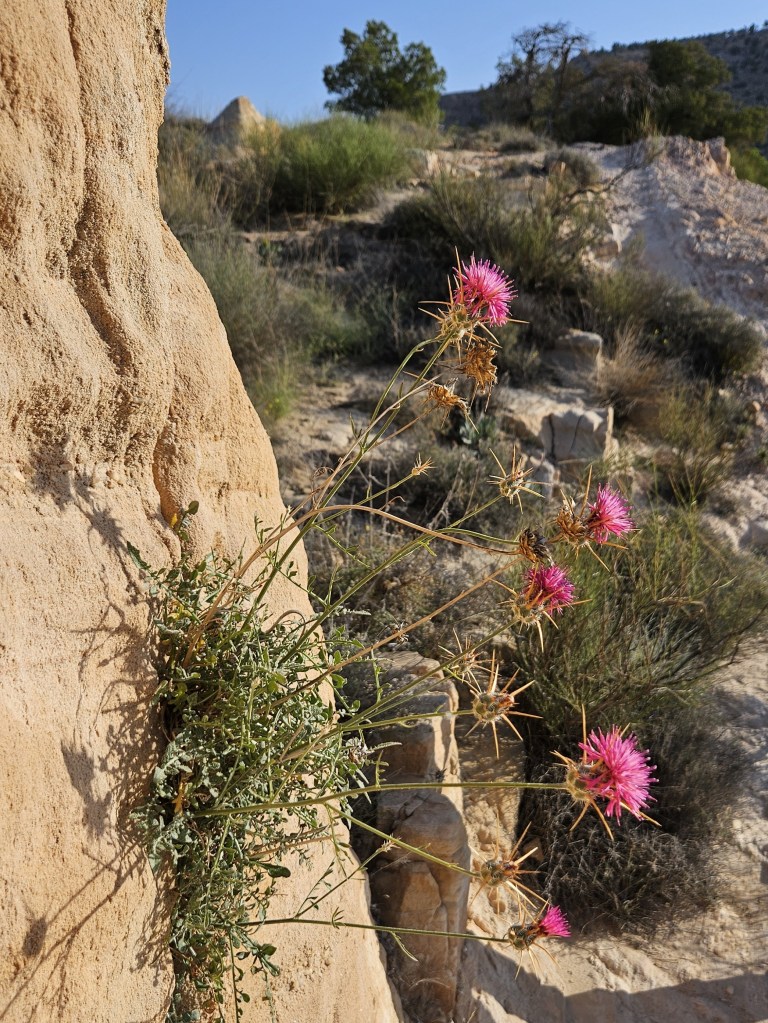
some kind of thistle 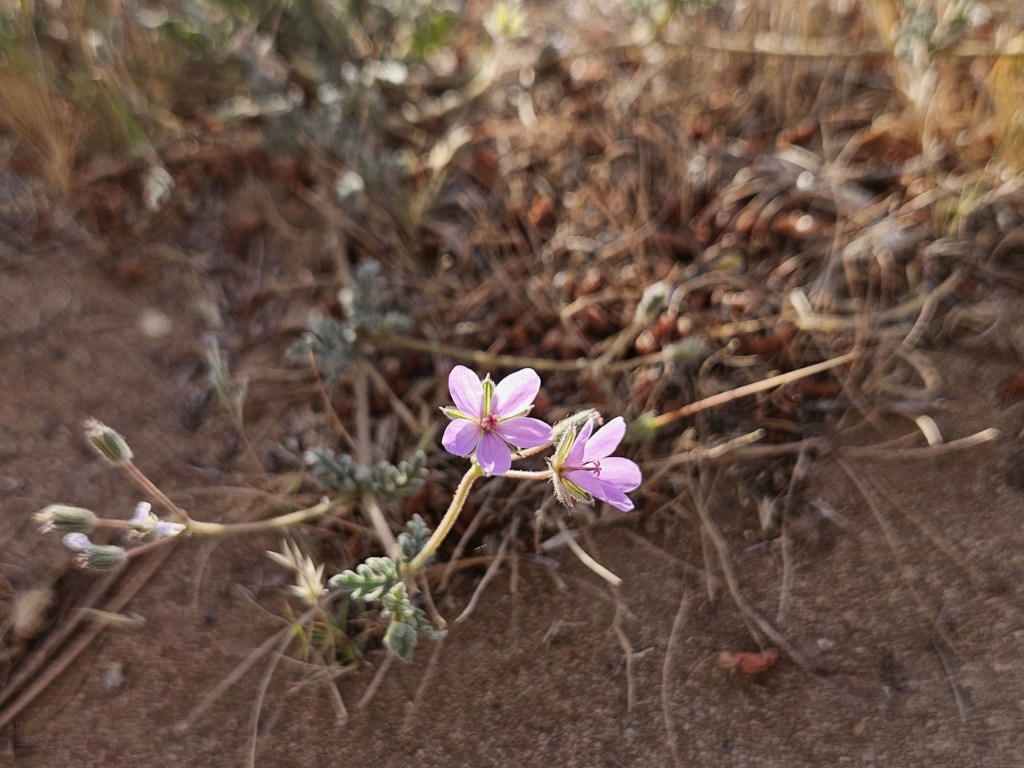
redstem stork’s-bill 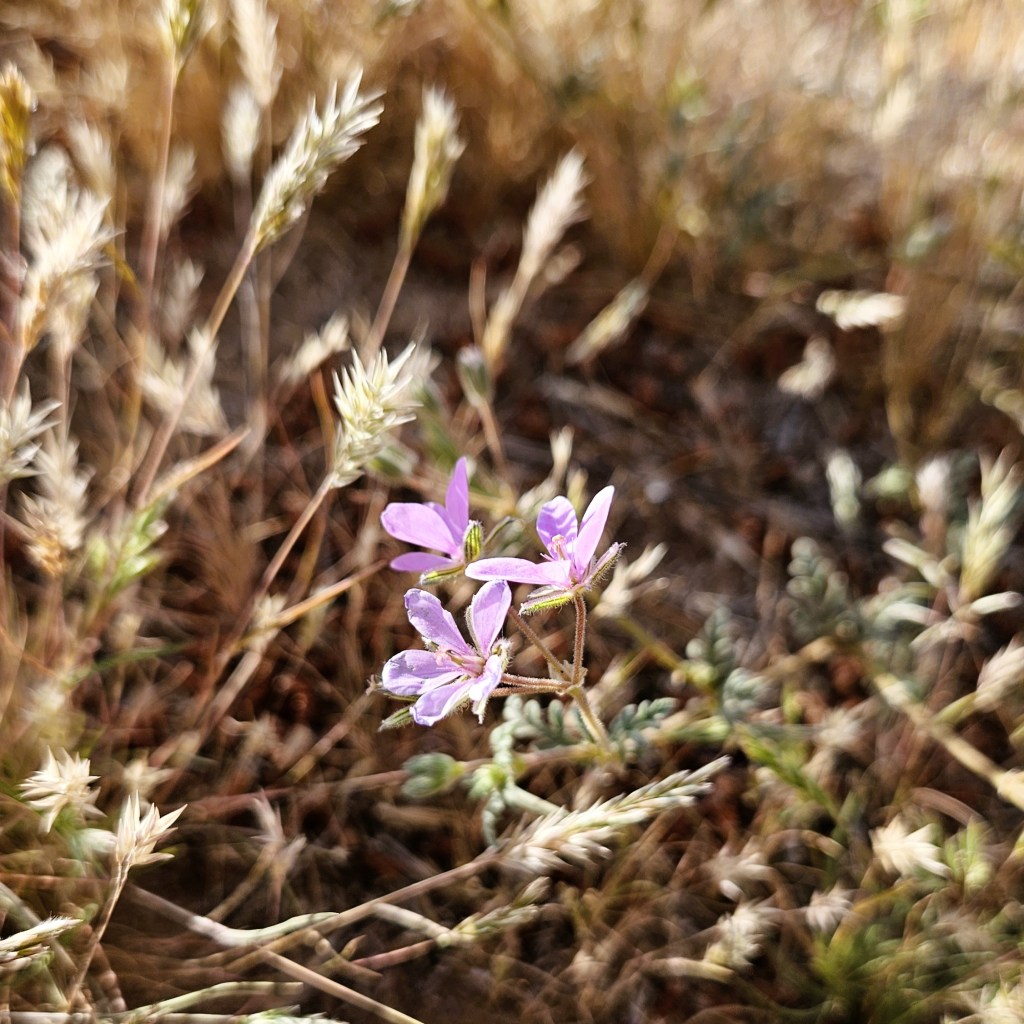
redstem stork’s-bill 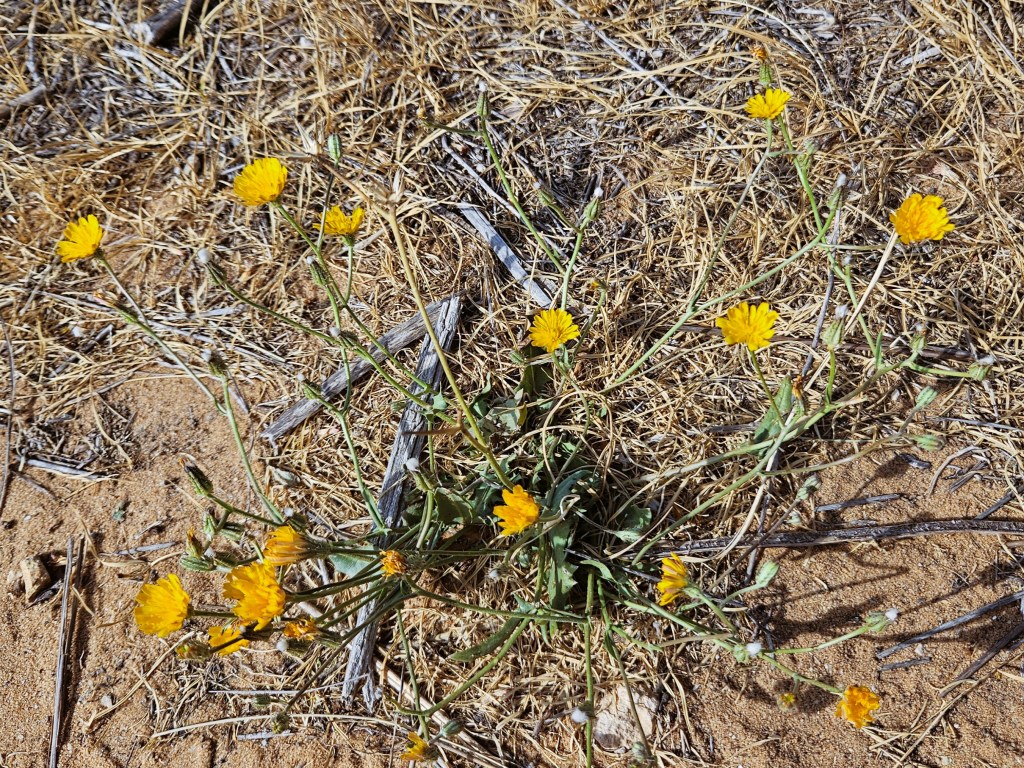
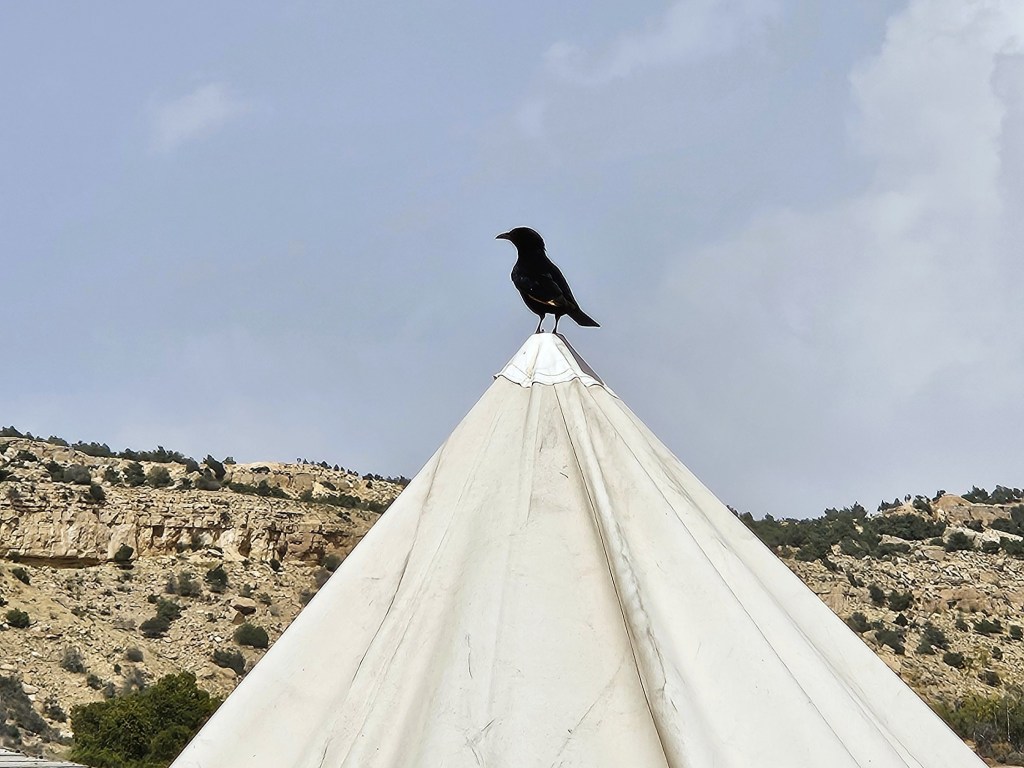
Tristram’s starling 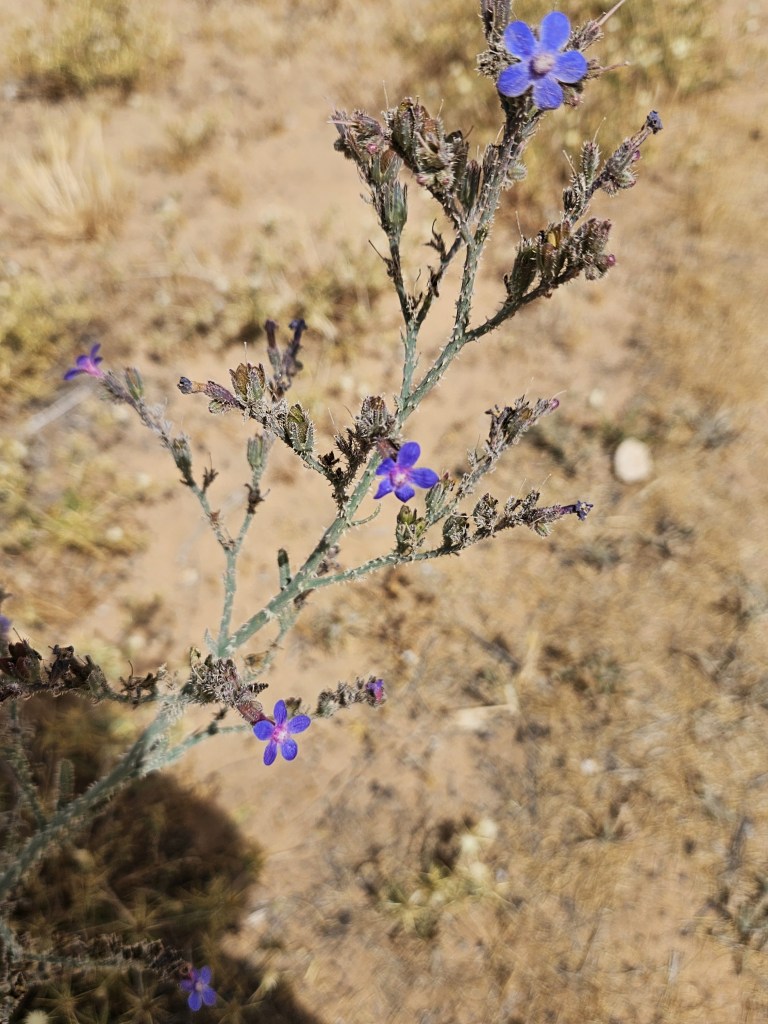
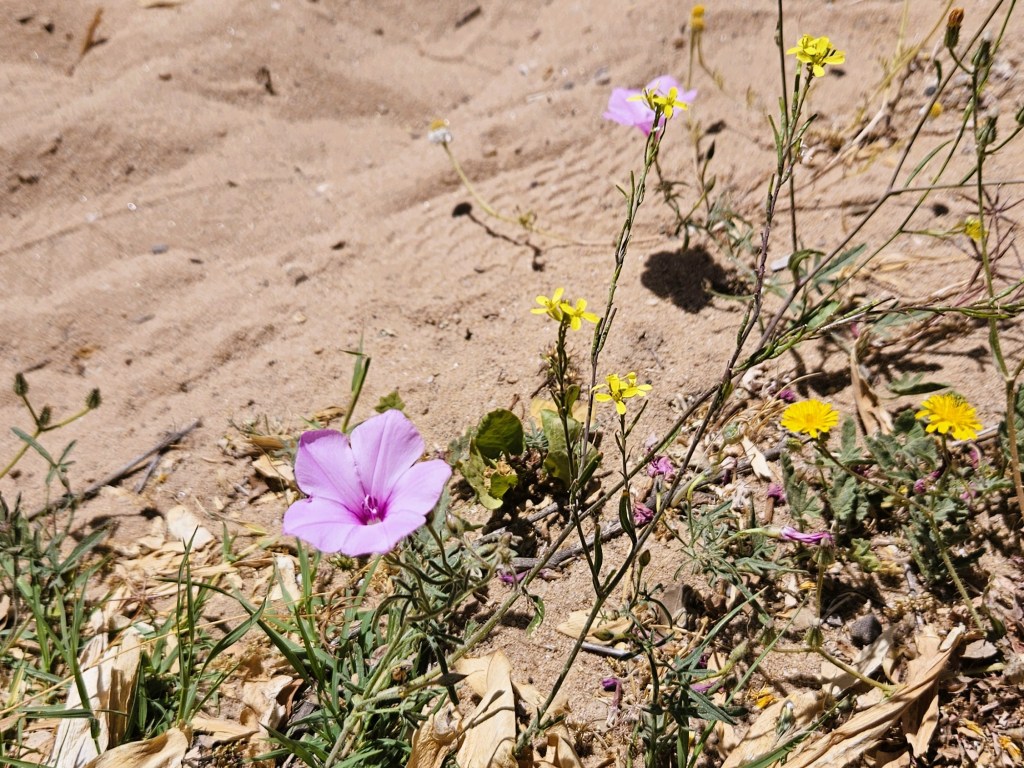
striped alkanet 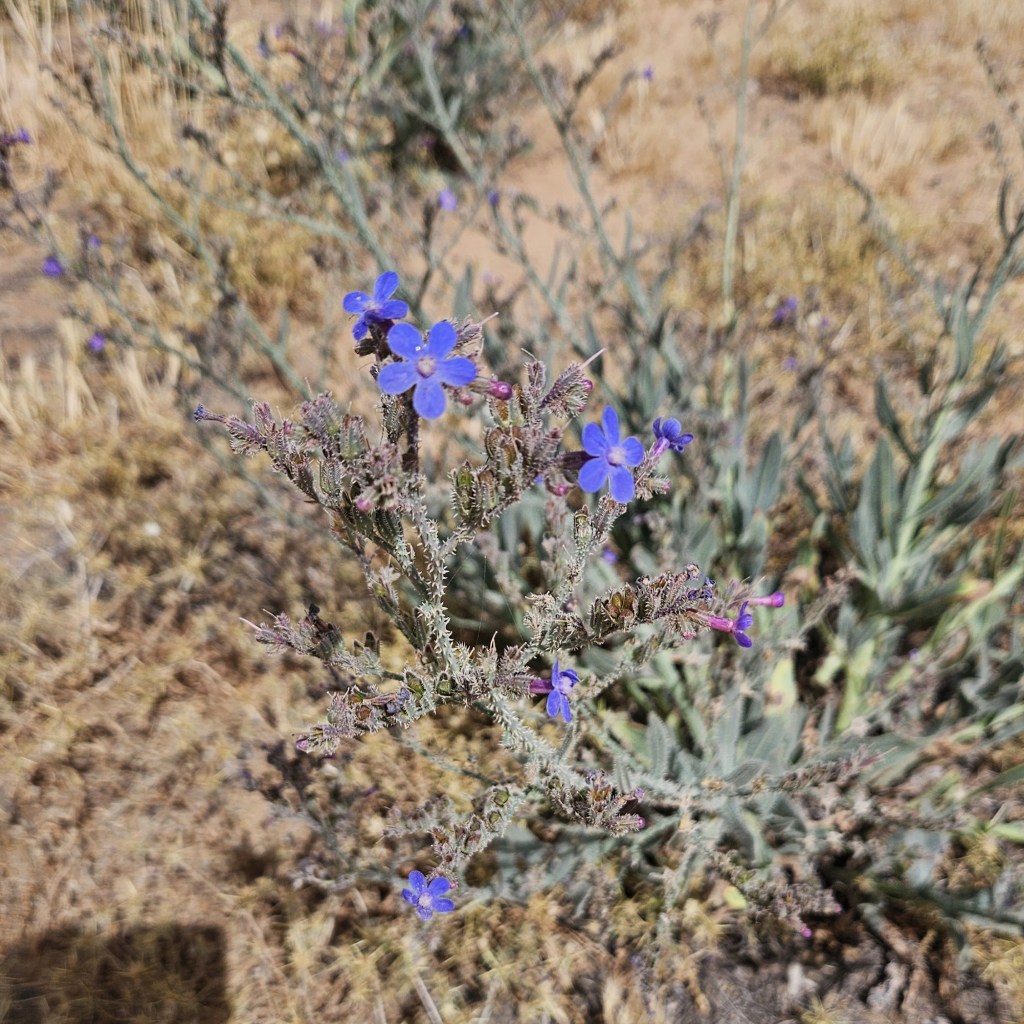
striped alkanet 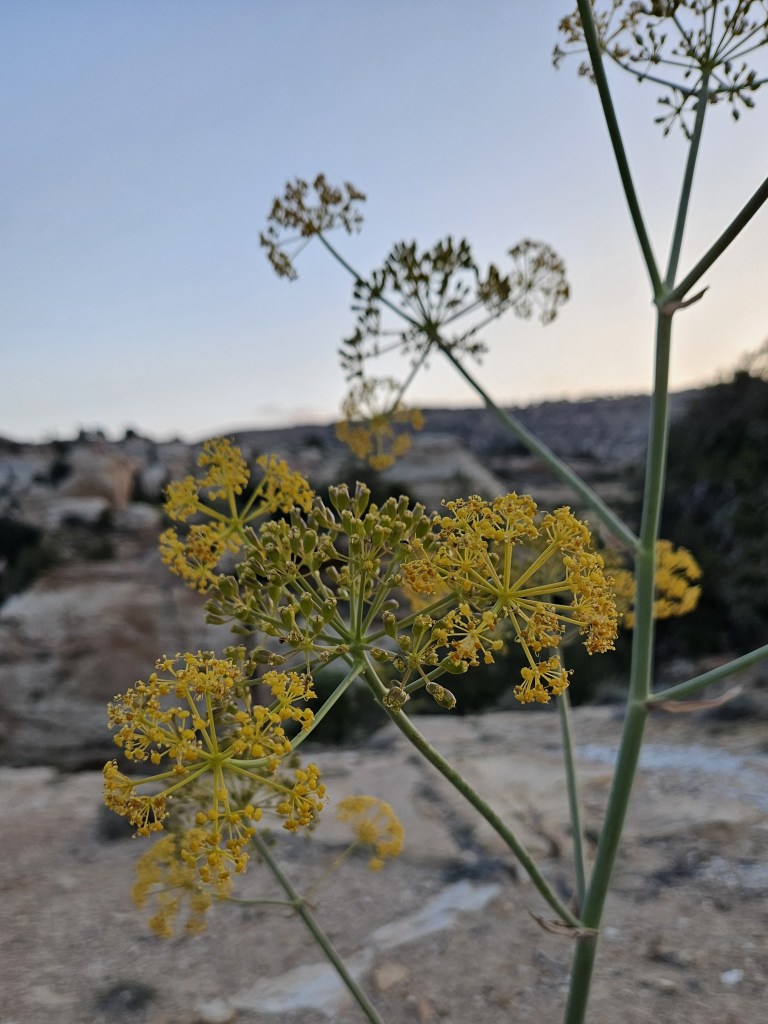
giant fennel 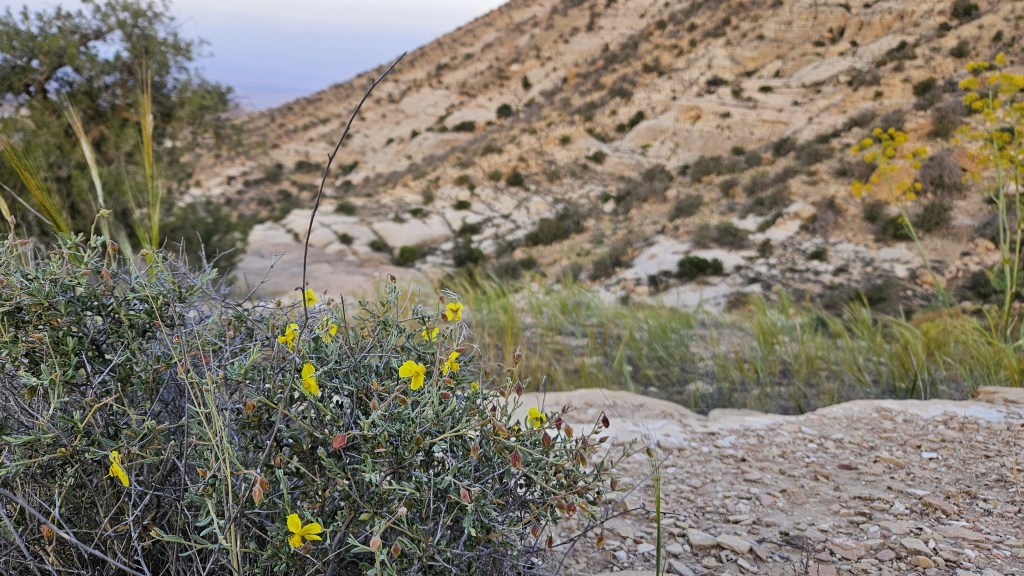
dwarf rock-rose 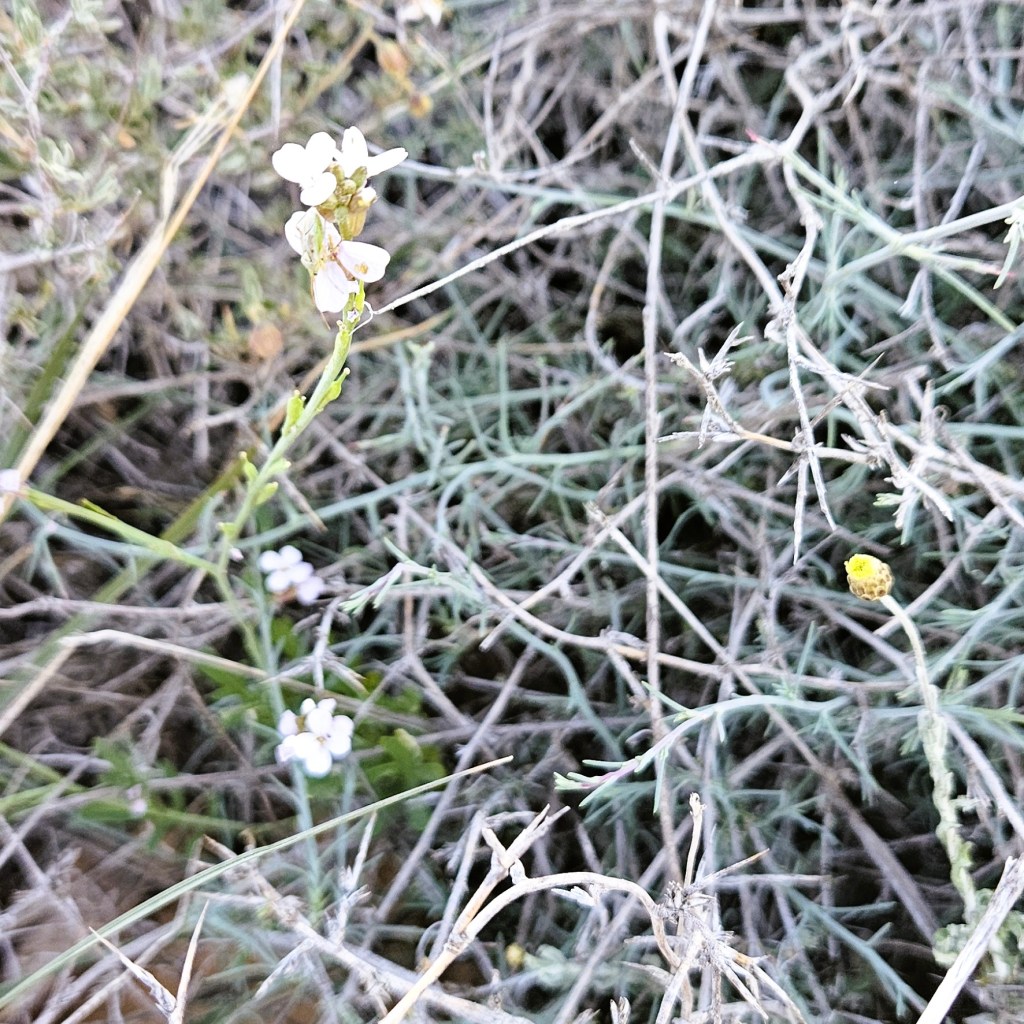
Spanish erucaria 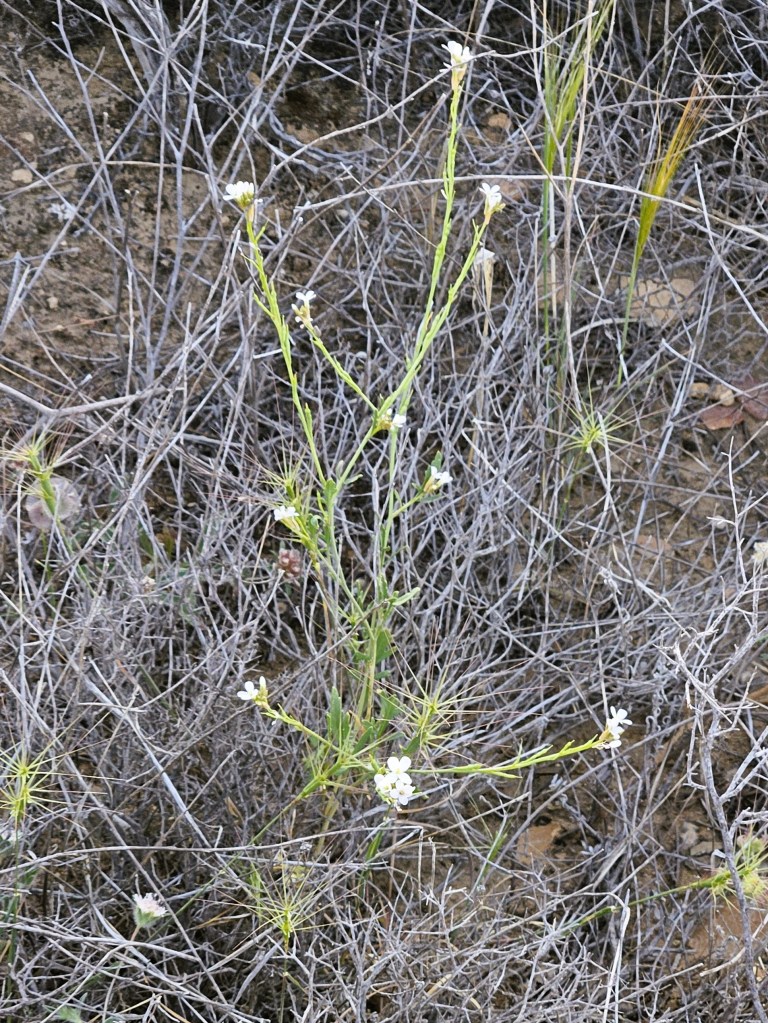
Spanish erucaria 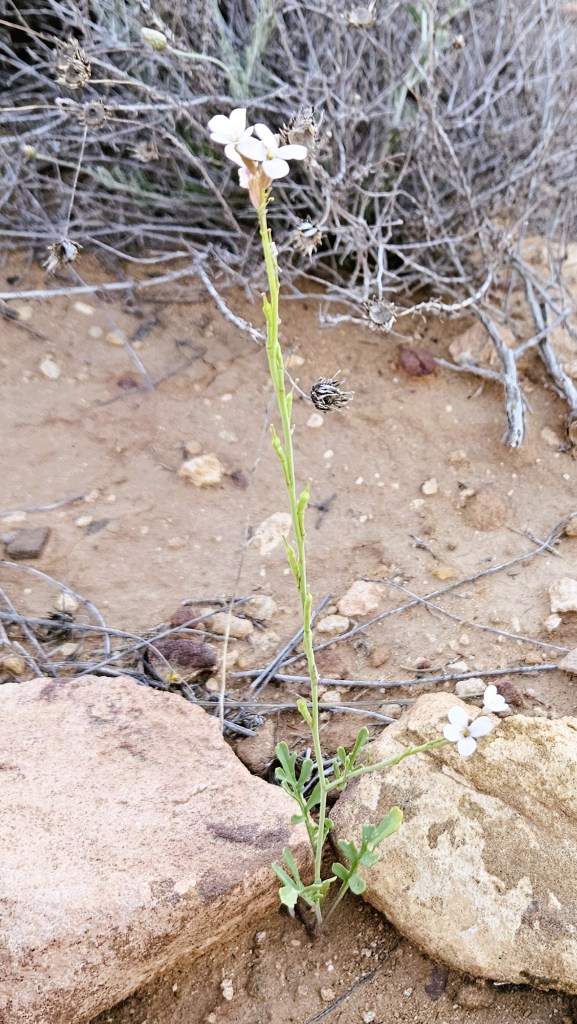
Spanish erucaria

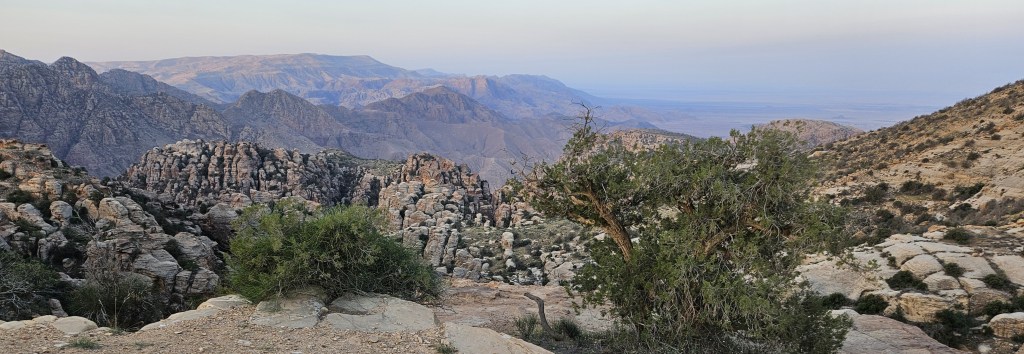
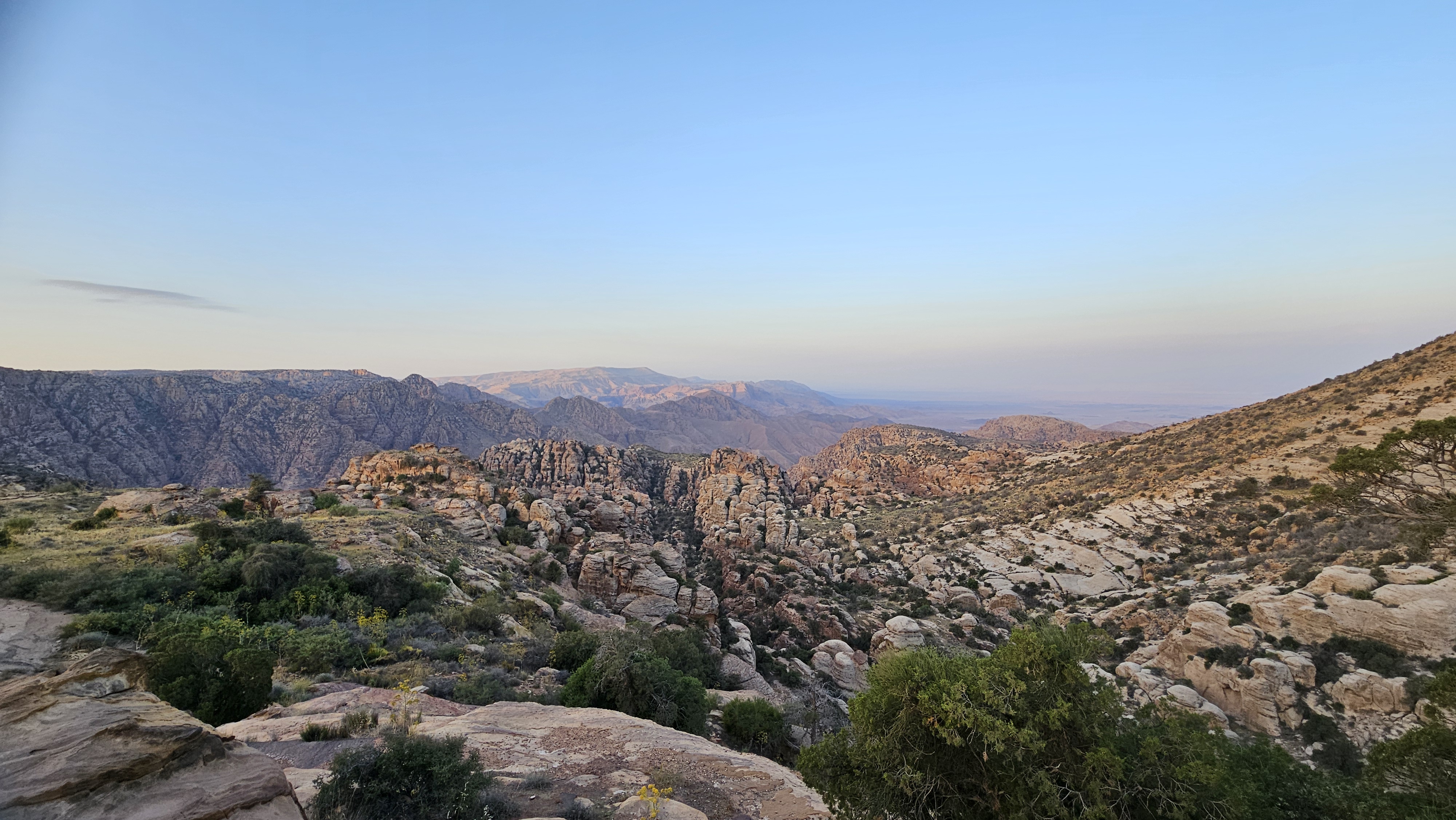
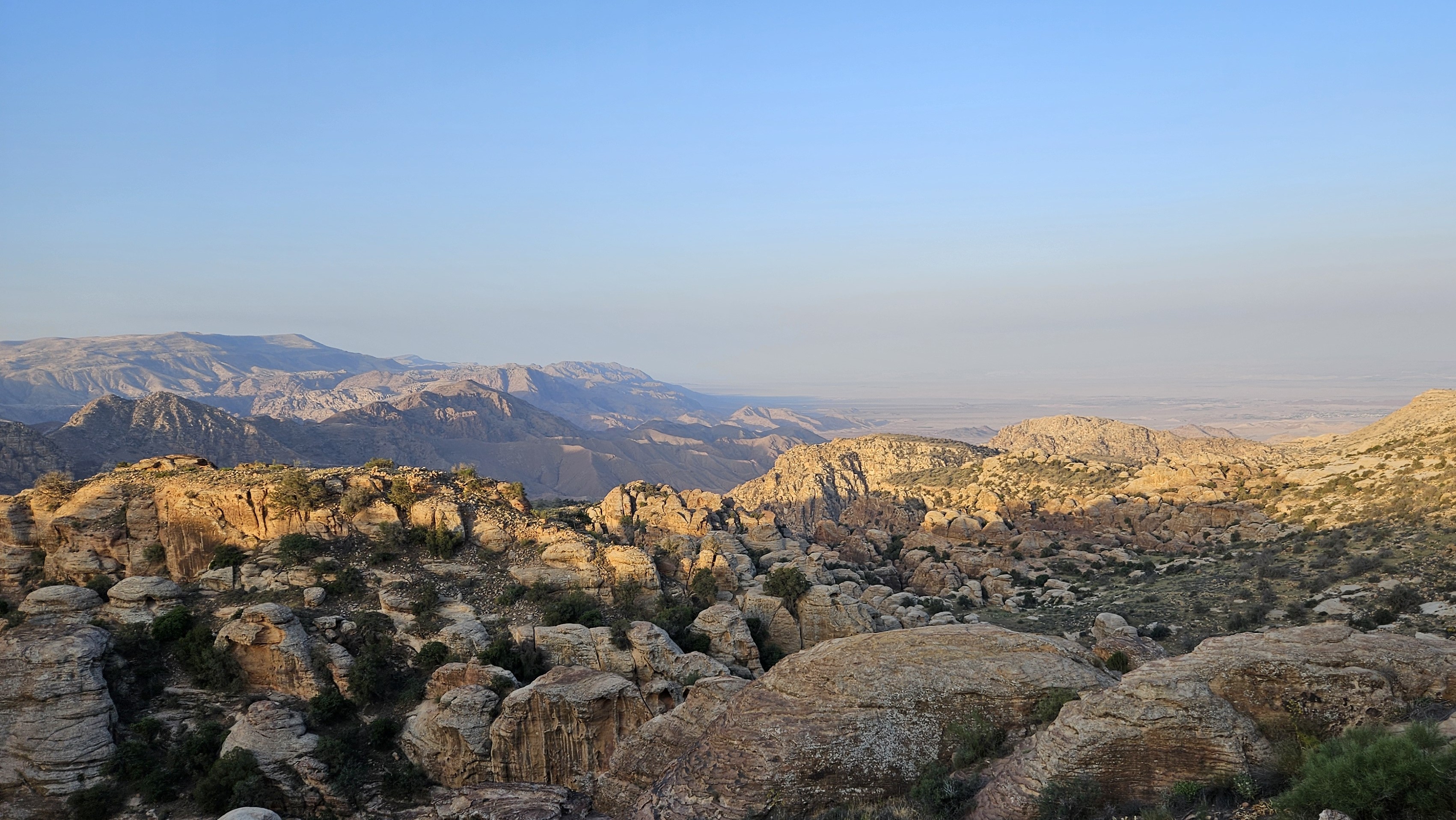
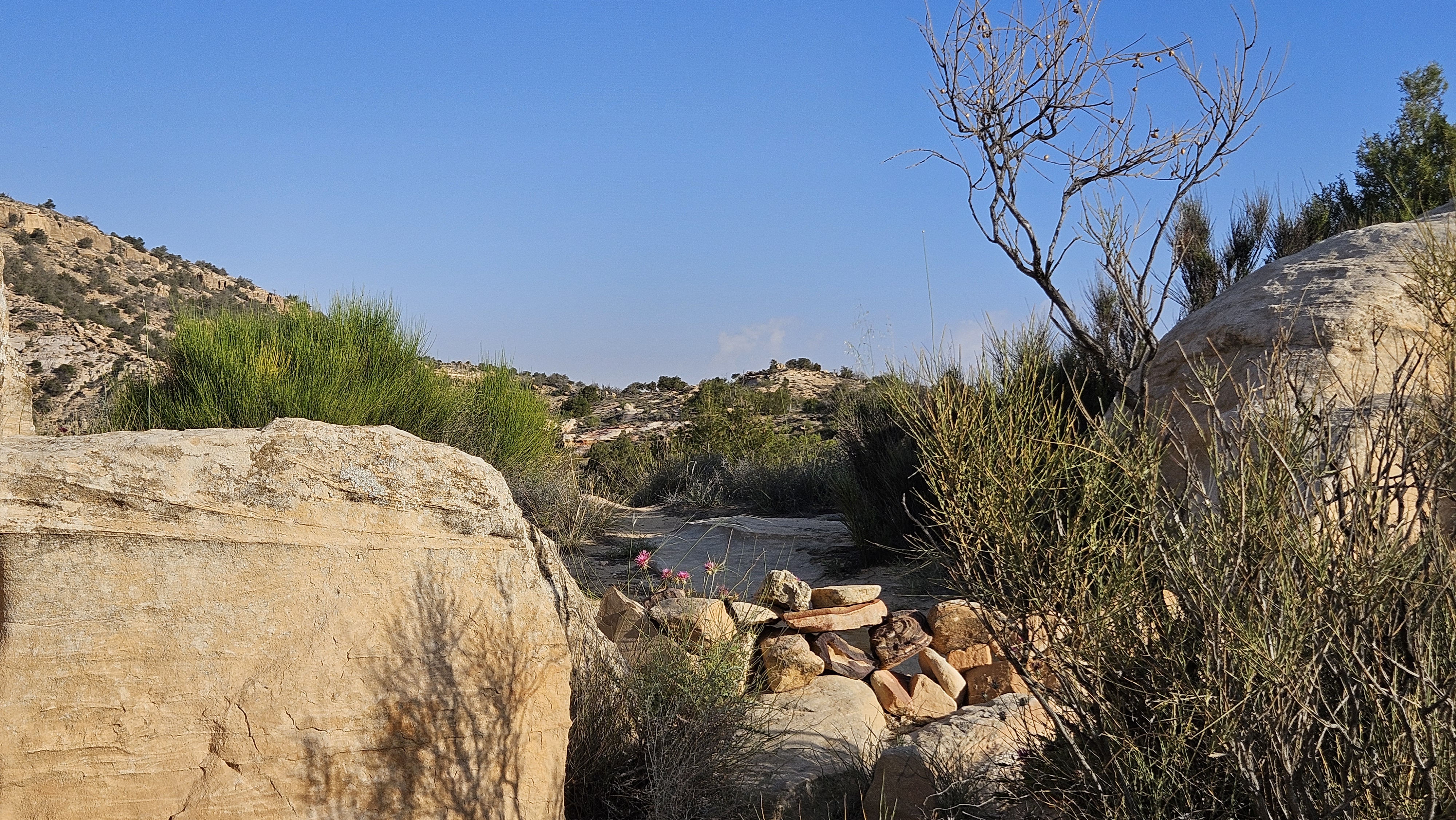
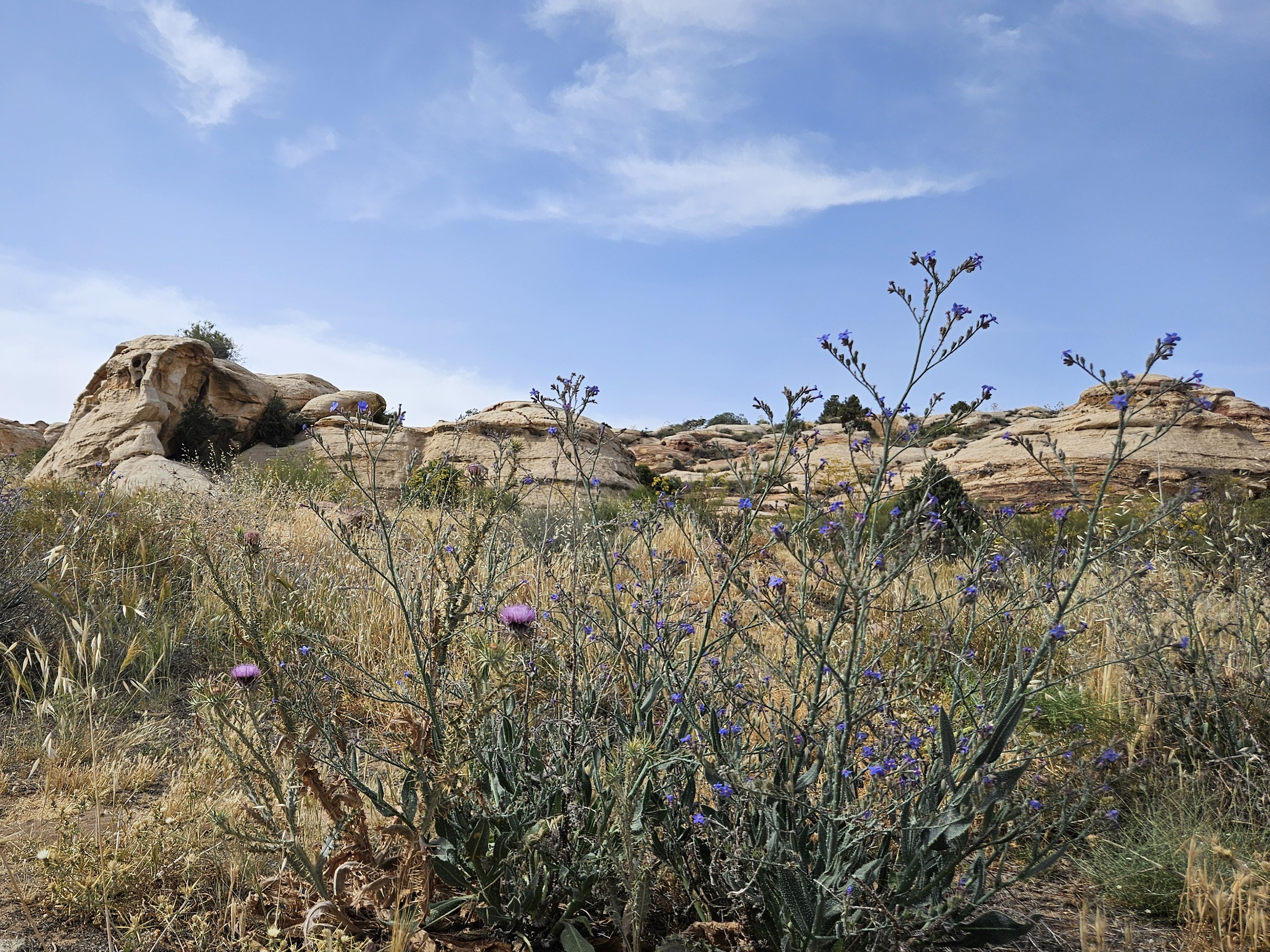
The Rummana Camp Trail starts right at the edge of the camp, follows the edge of the shelf for awhile, and then winds through some boulders. There were lots of Tristram’s starling, native only to the Arabian peninsula, and we heard a lot of chukar, though we didn’t see any. Palestine sunbirds were hovering in the flowers, bulbul seemed to follow us as we walked, and the views were stunning as the morning sunlight descended into the valley below.
Shaq al-Reesh Trail
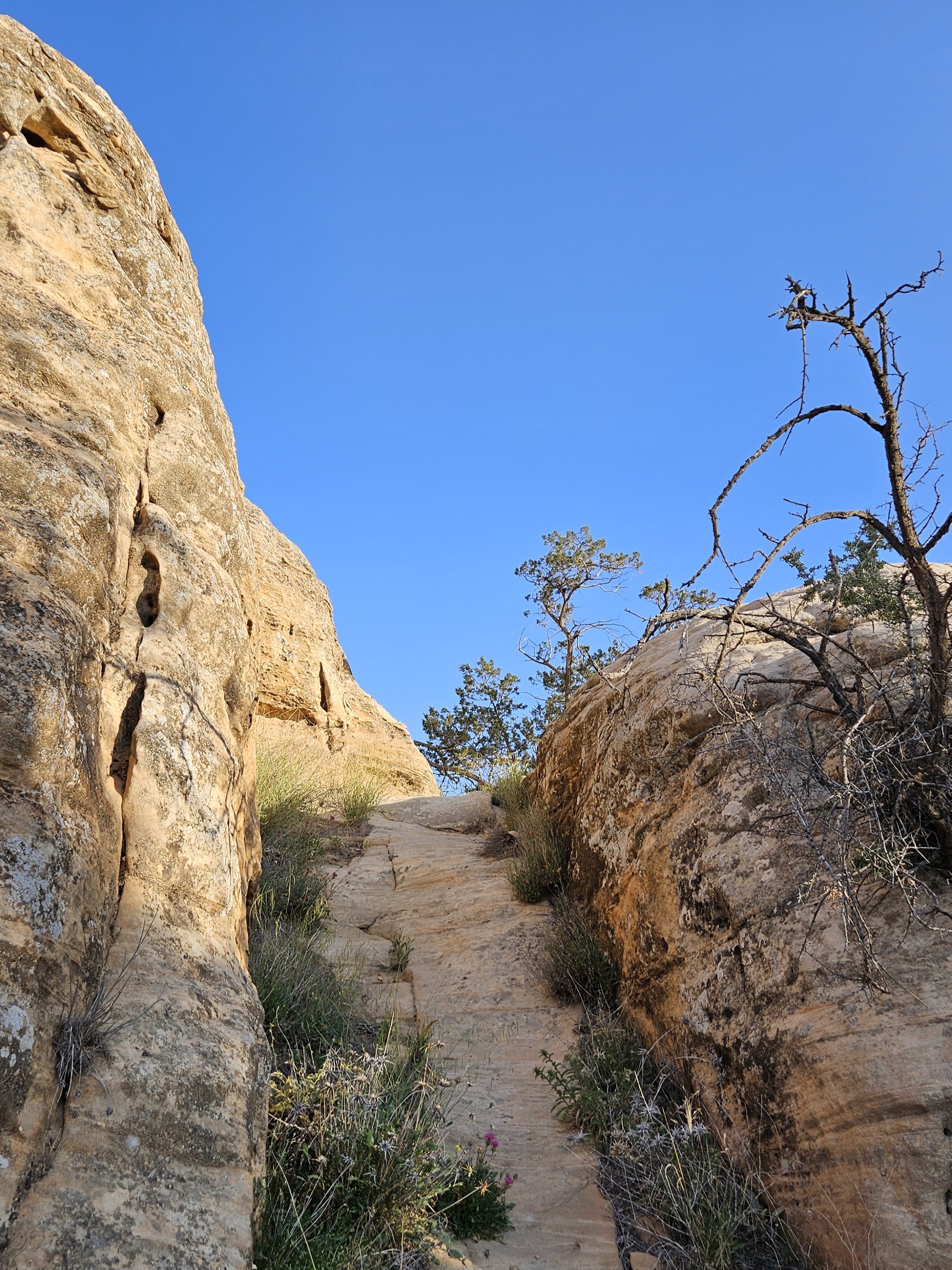
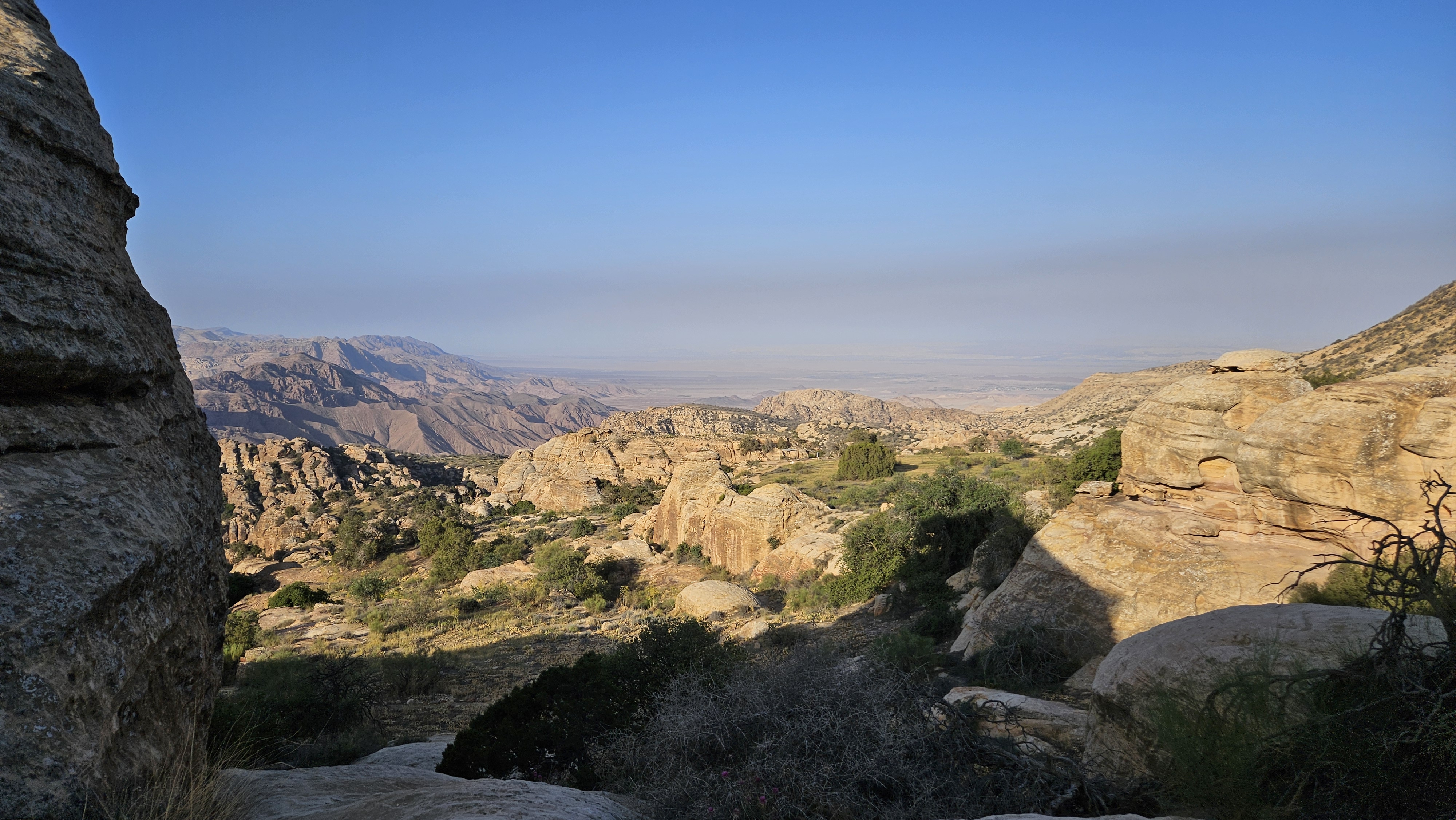
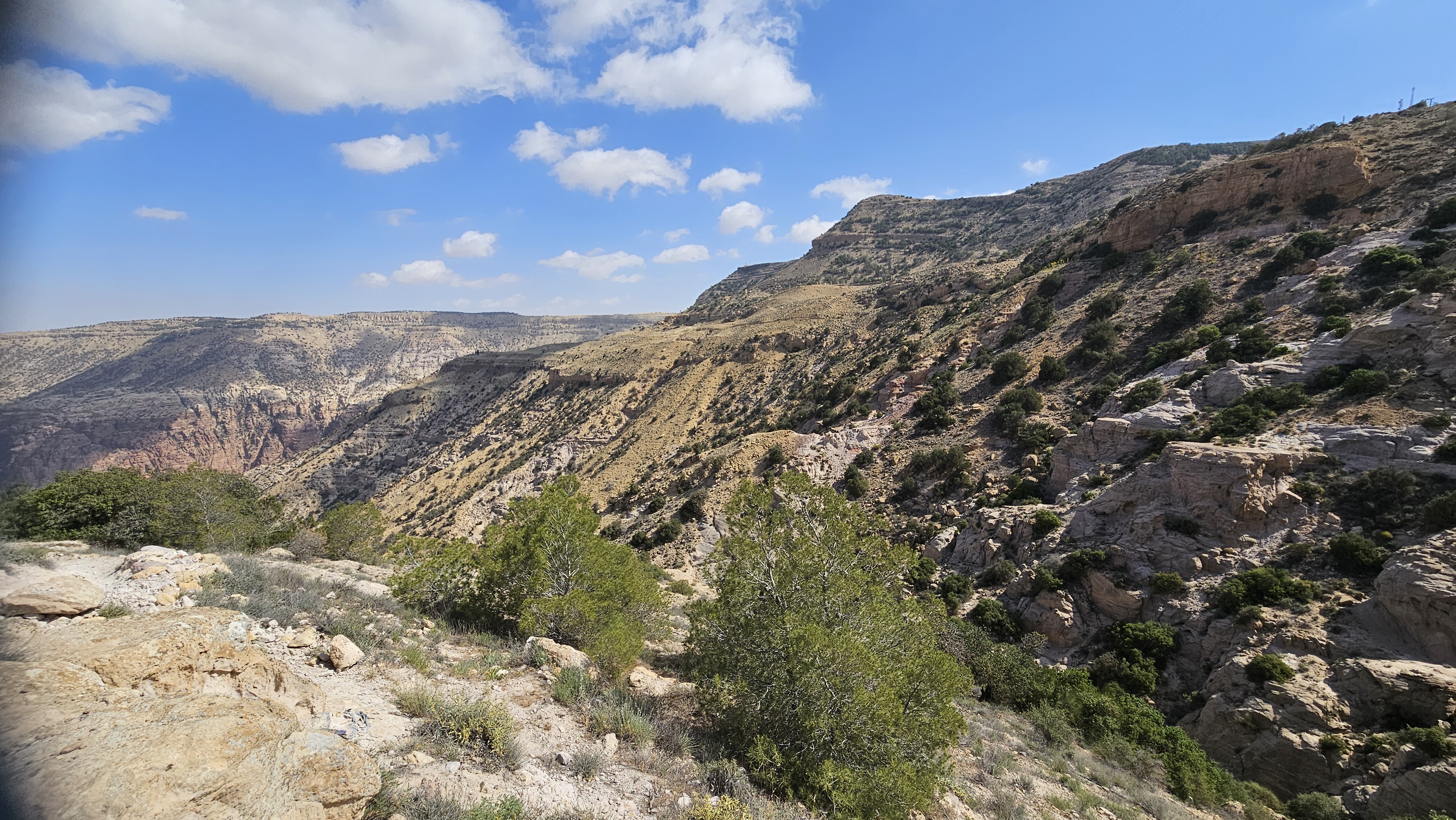
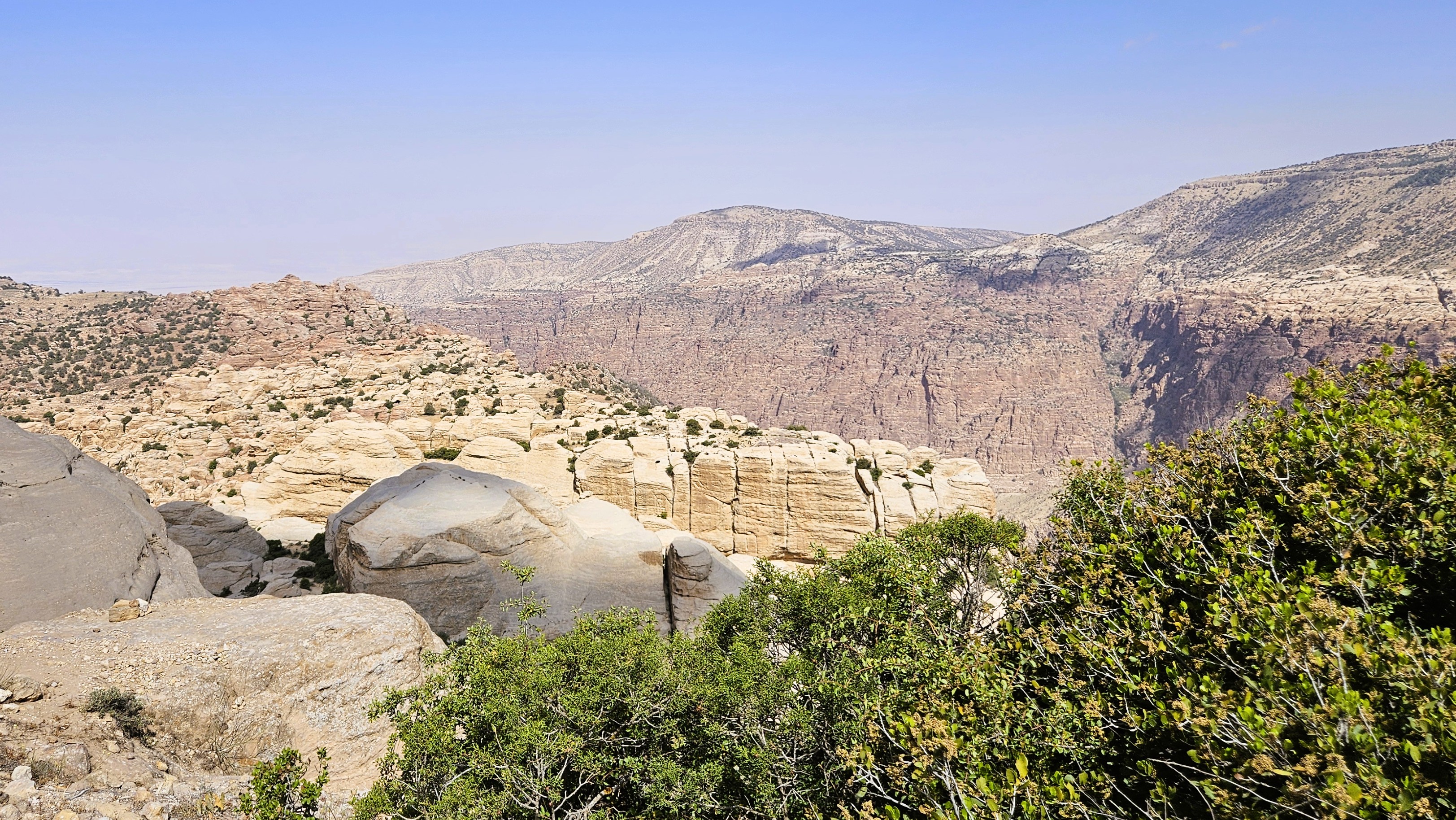
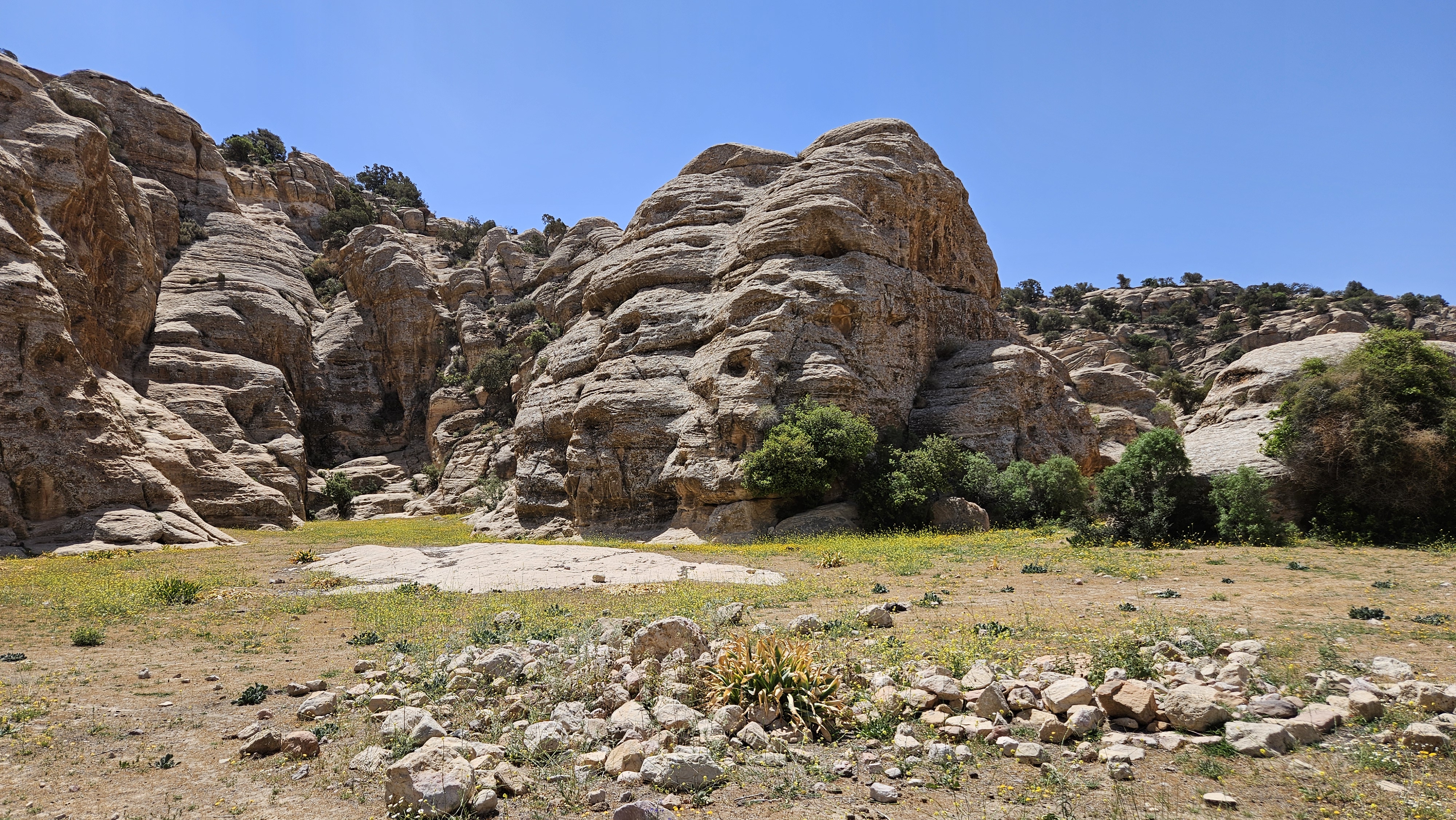
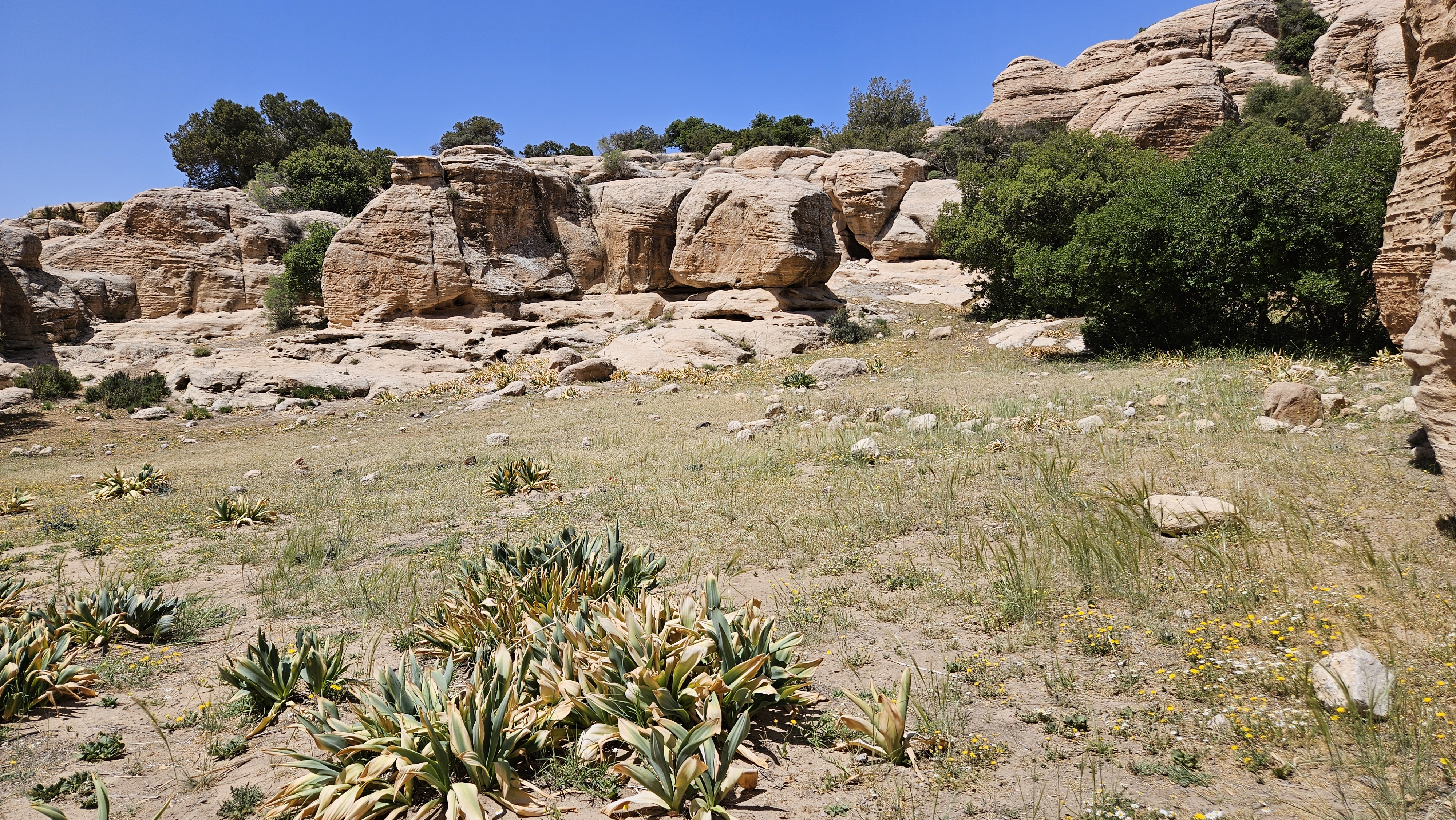
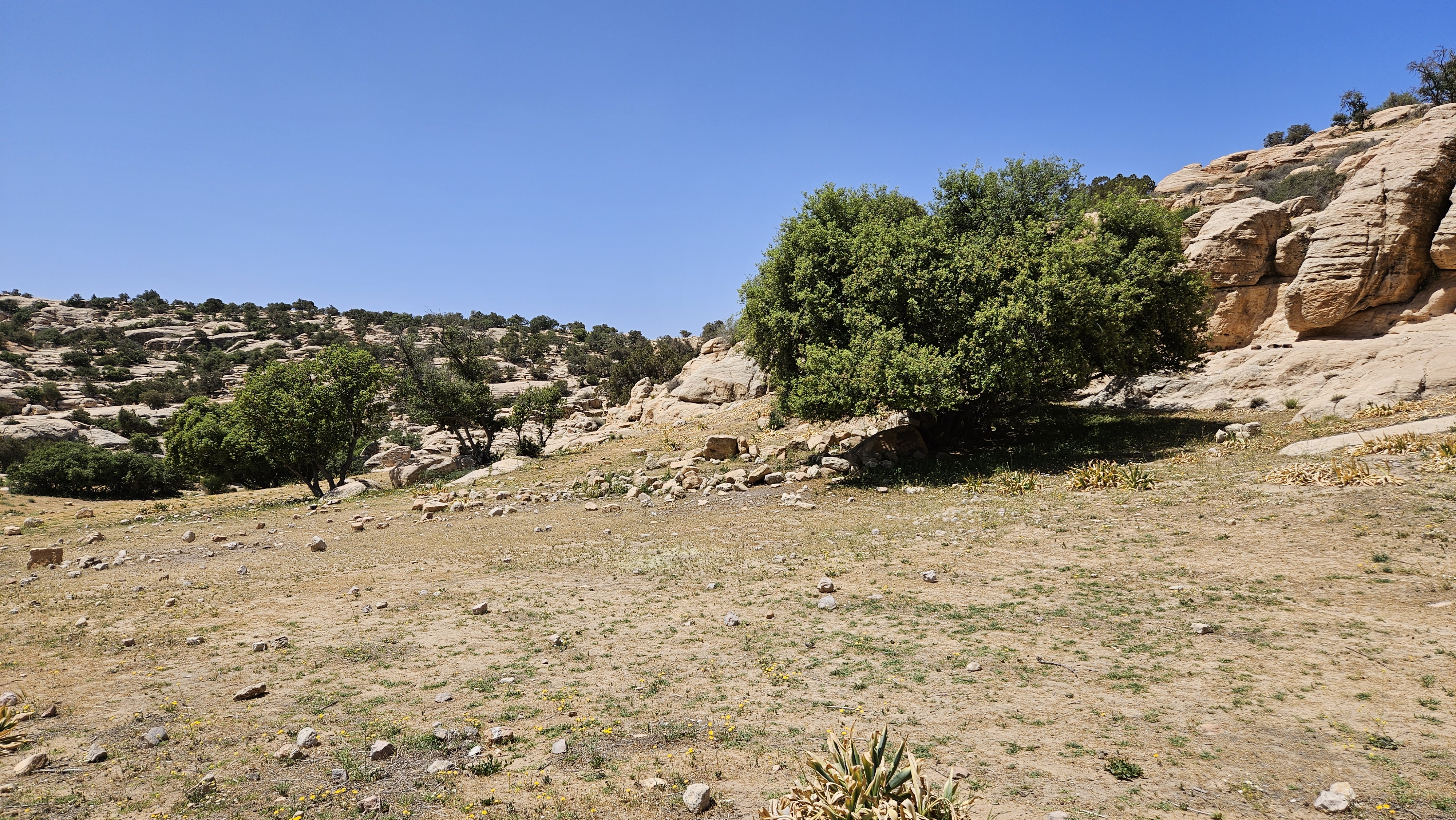
We went where the guide took us, but I believe it was more or less the Shaq al-Reesh Trail from the rim of Dana. The views are incredible at the top. The weathered pillars of sandstone reminded me somewhat of our hike at Chiricahua National Monument on the Arizona-New Mexico border, though with a bit more rock scrambling.
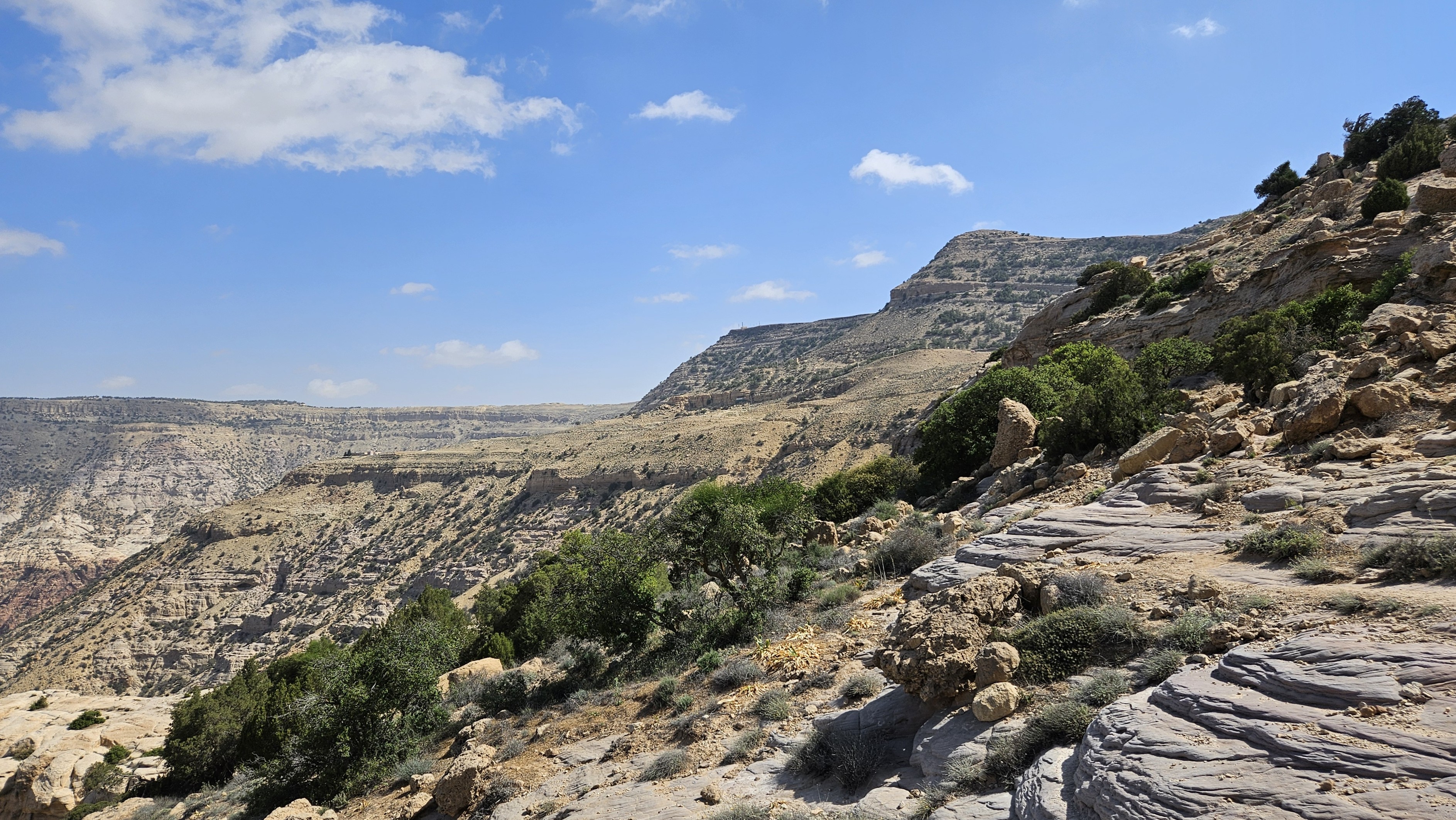
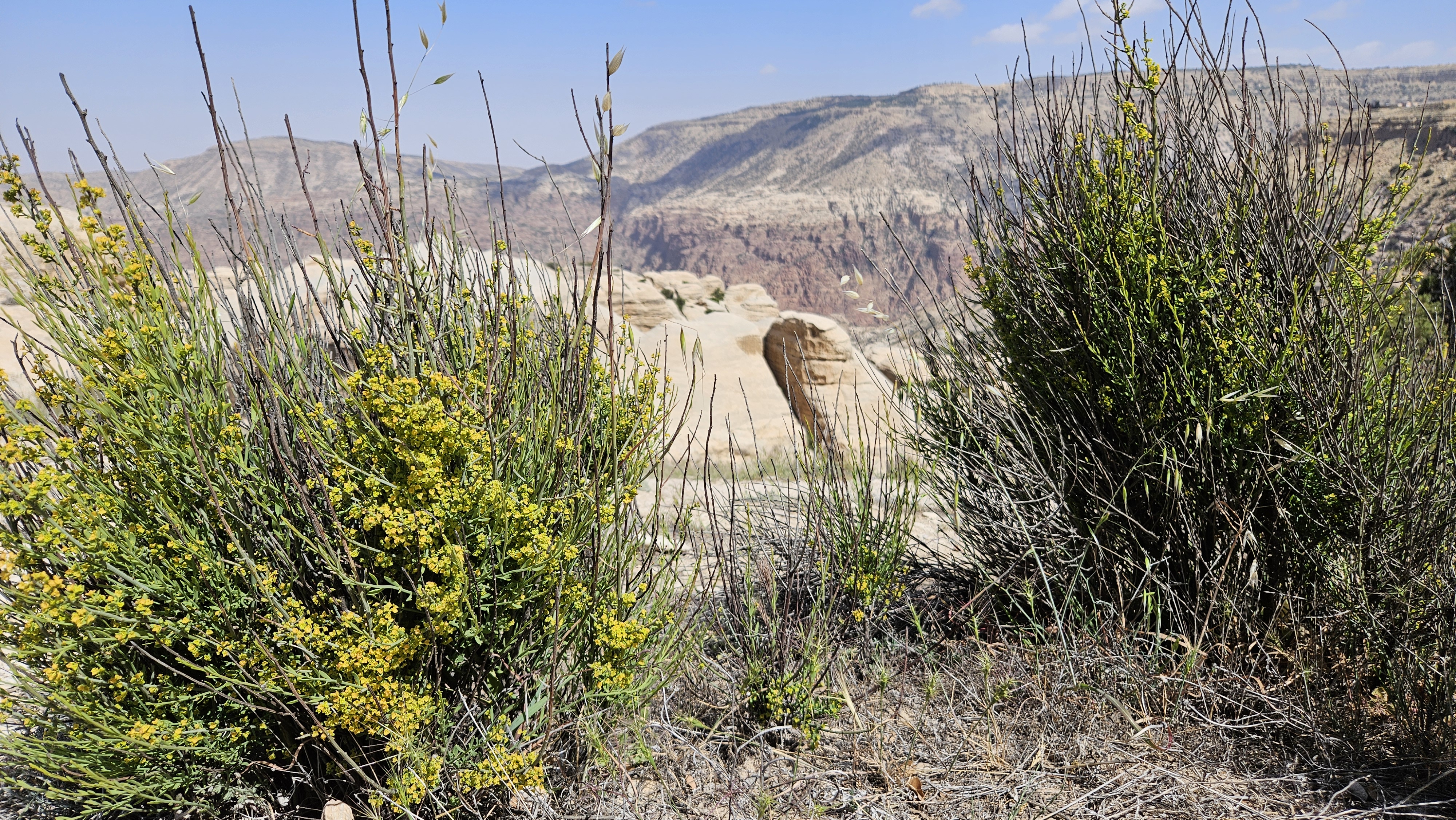
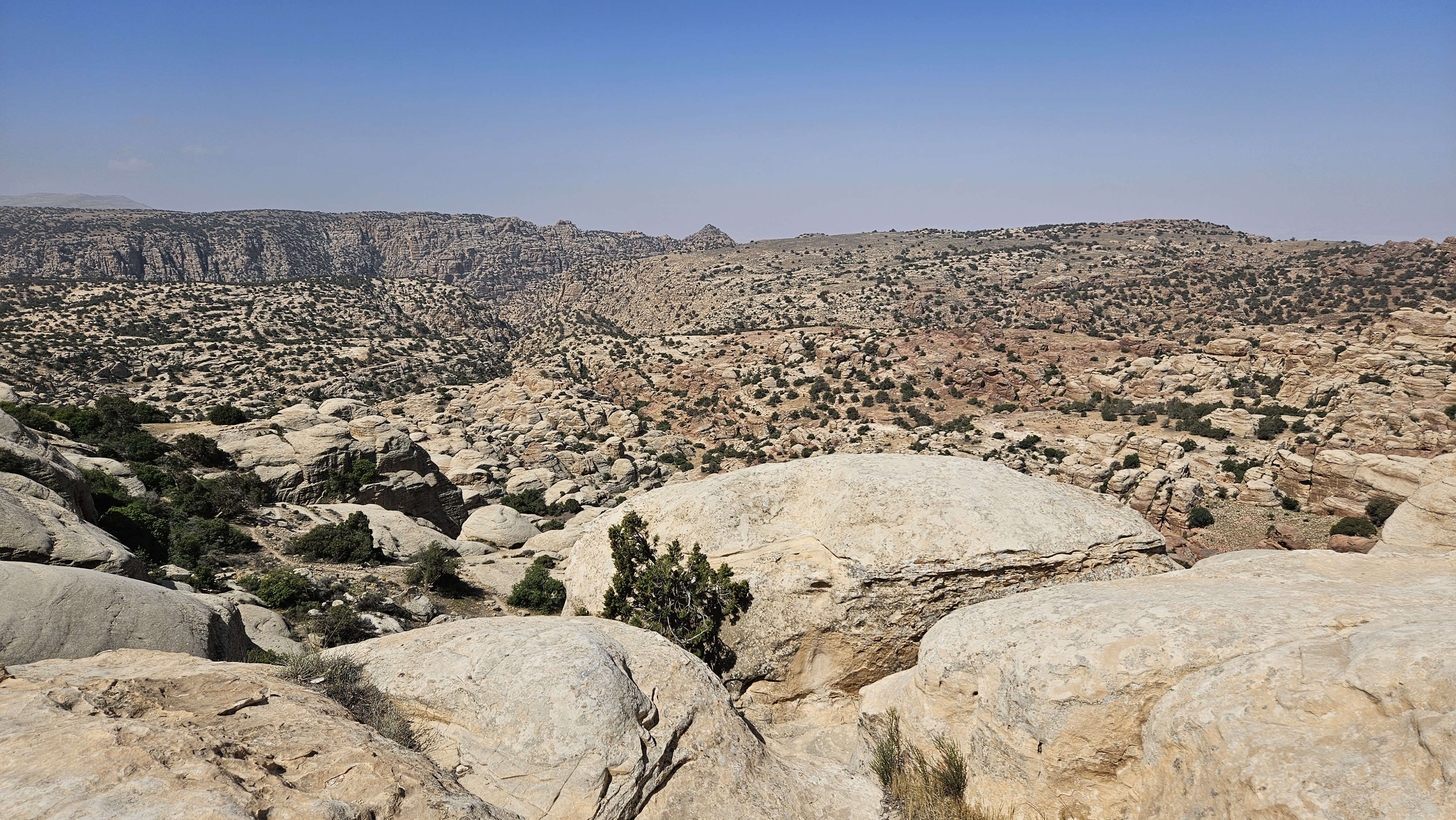
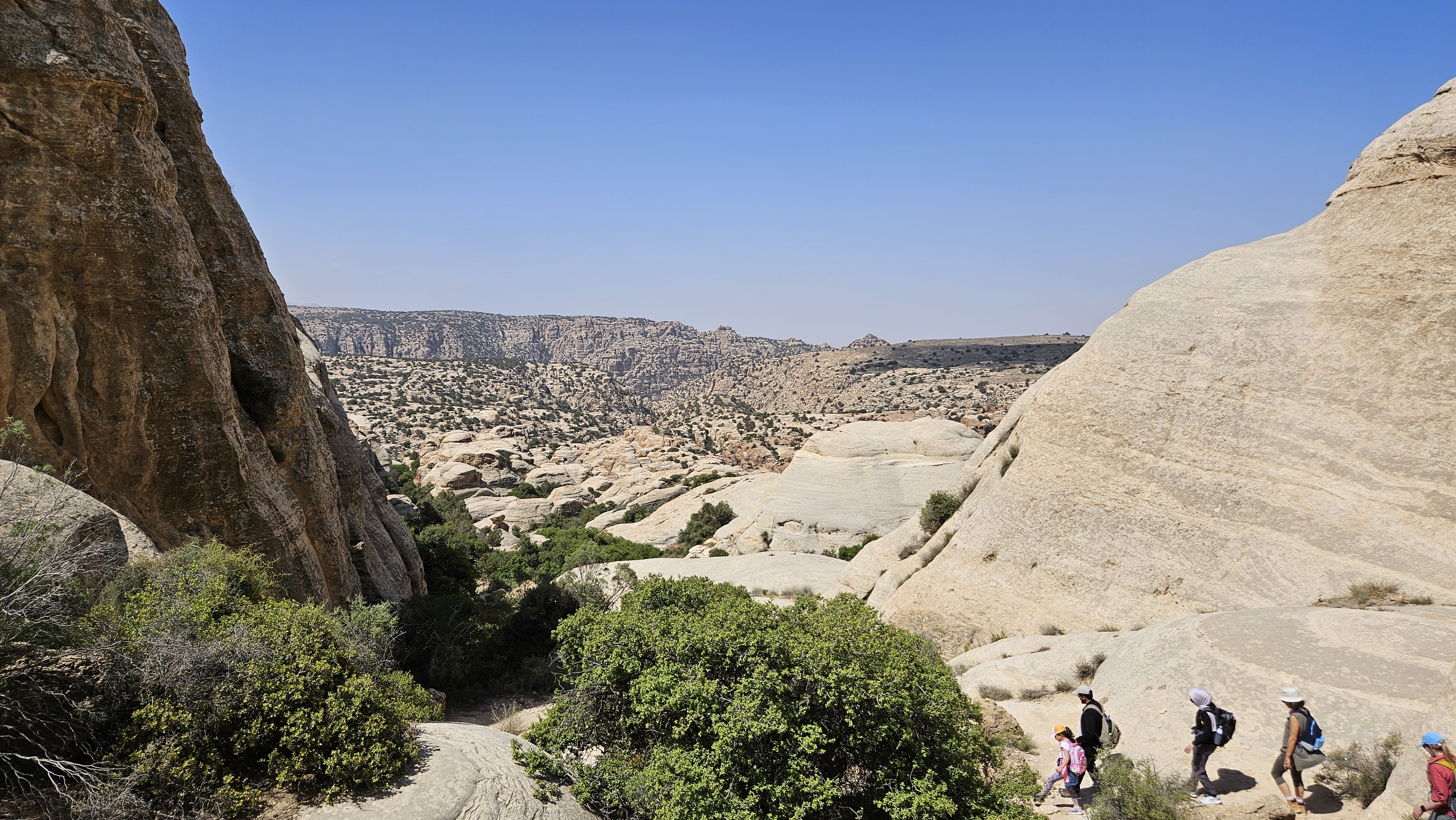
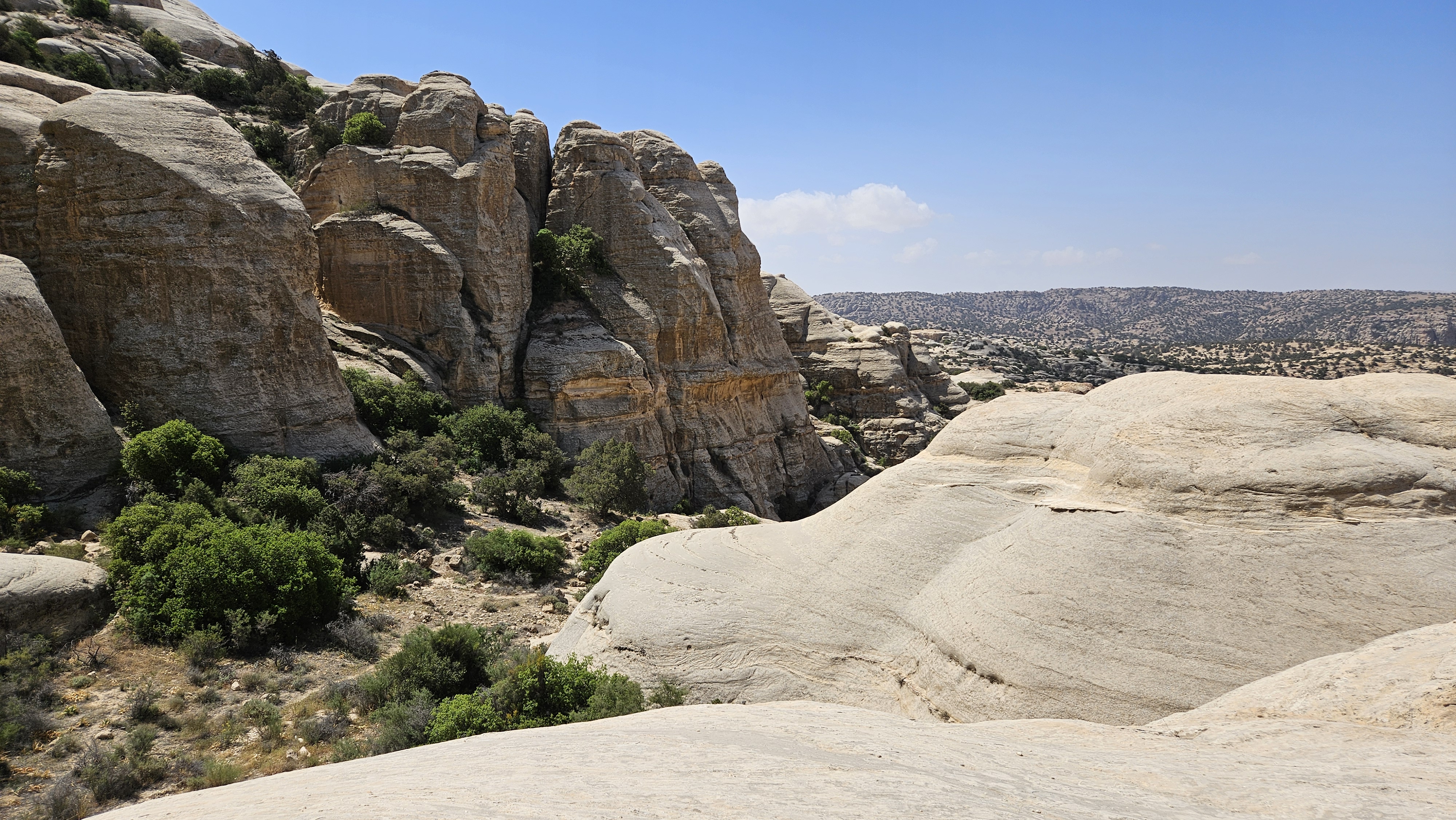
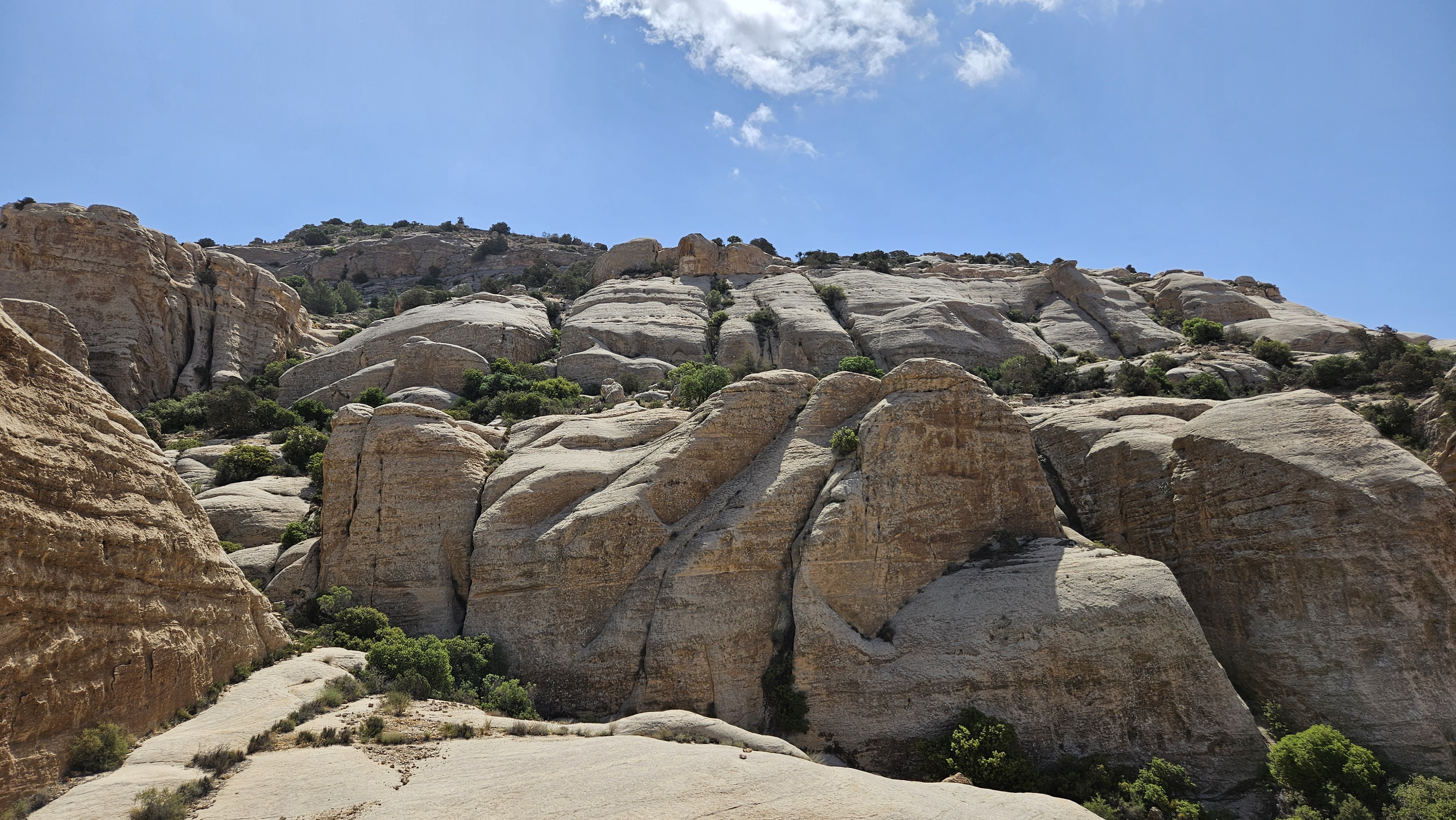
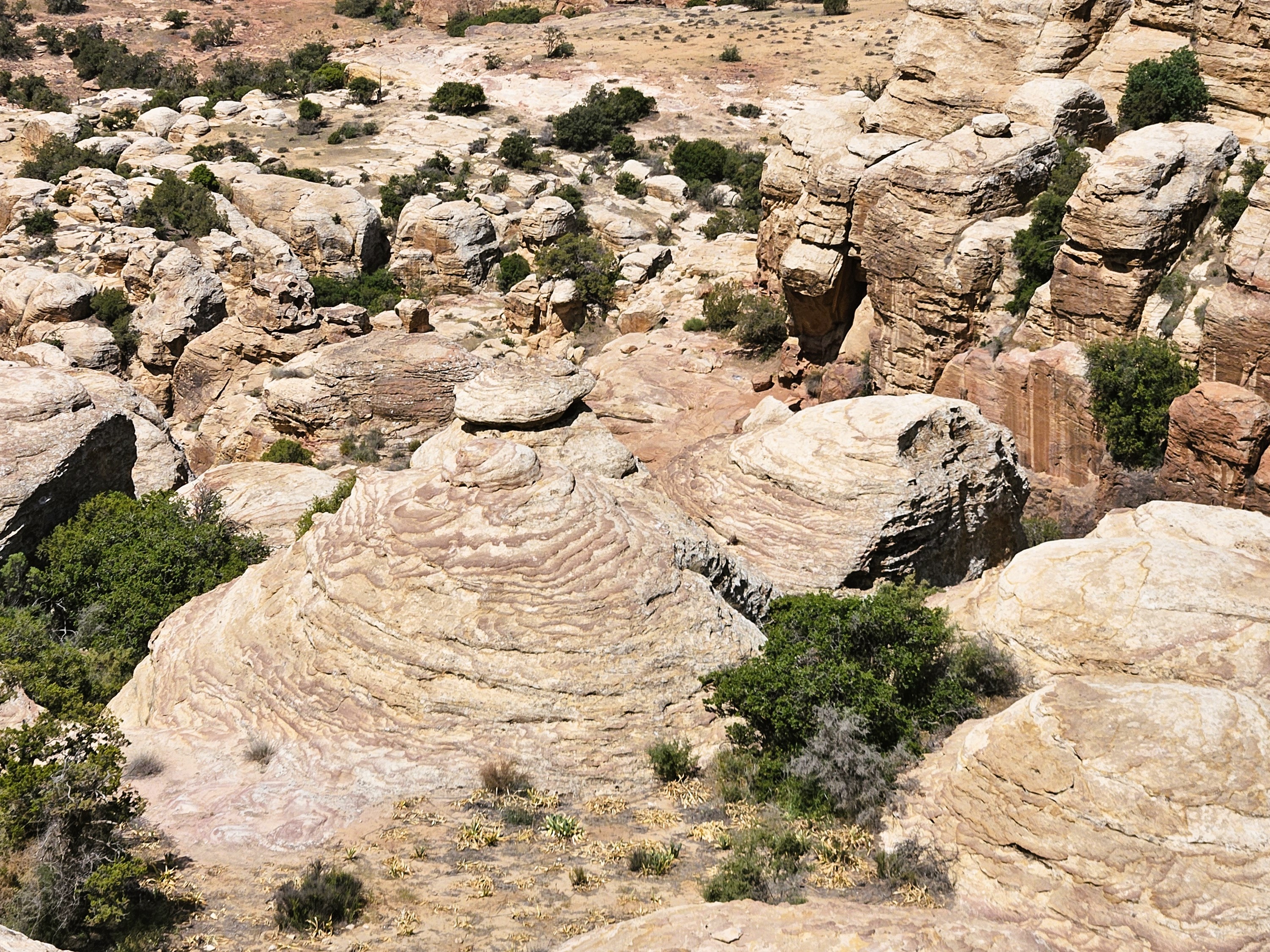
I was glad we had a guide, because I wouldn’t have known the path without him. He was a young local Bedouin, and accurately identified me as the weak link in the group, tailoring the hike to my speed with great subtlety – I don’t think anyone else caught on. For my part, I tried not to stop for every flower and birdsong – our RSCN guy was excited to tell Mr. Fellow about how I had stopped for every flower on our day hike in Ajlun a couple weeks ago.
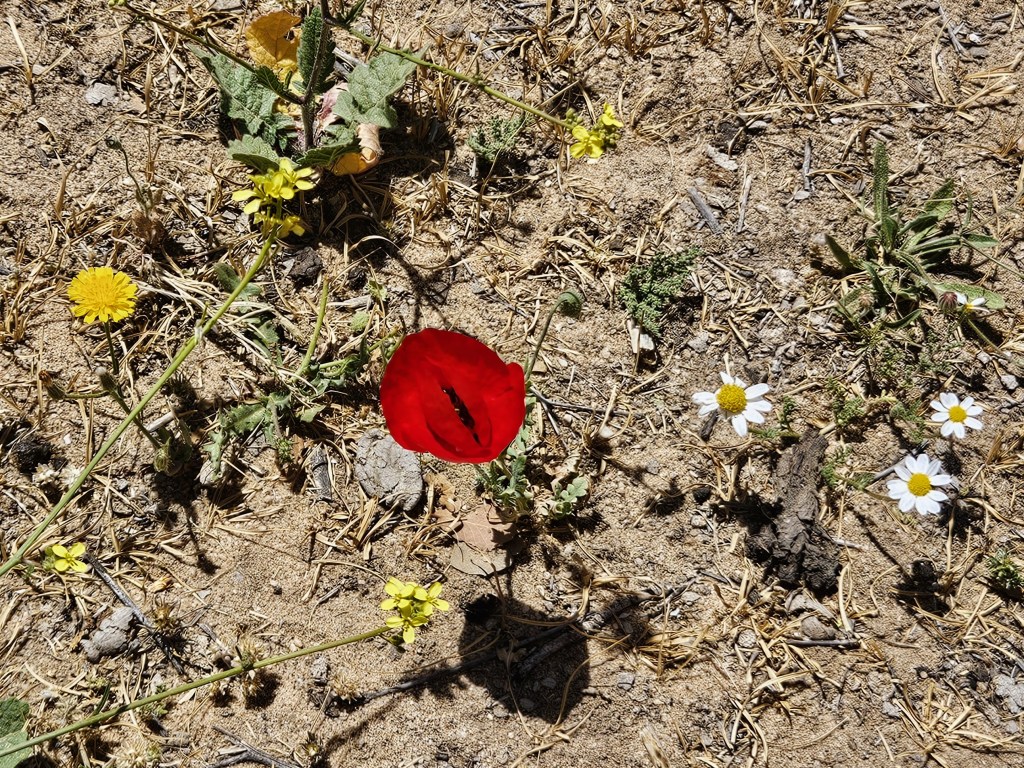
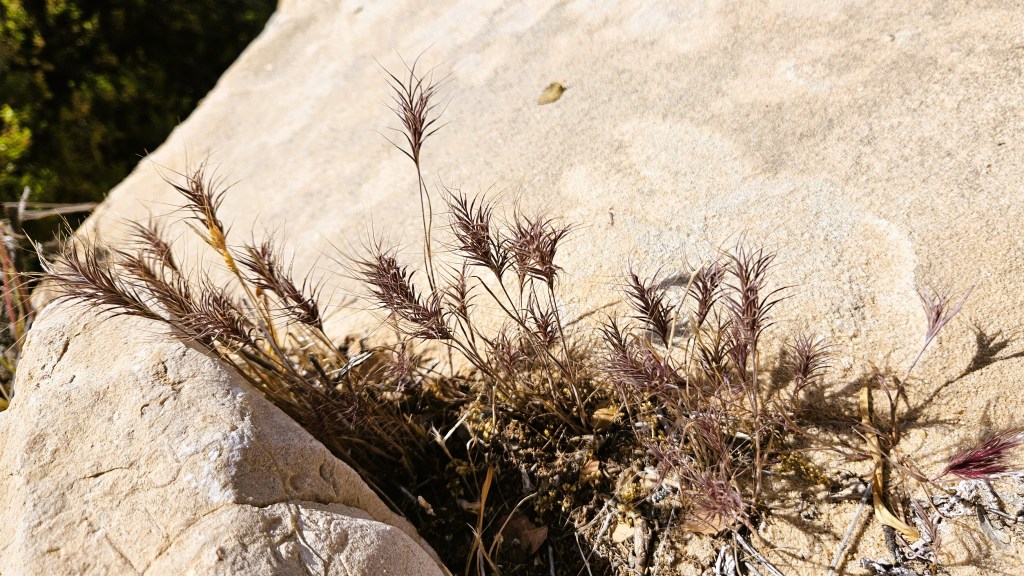
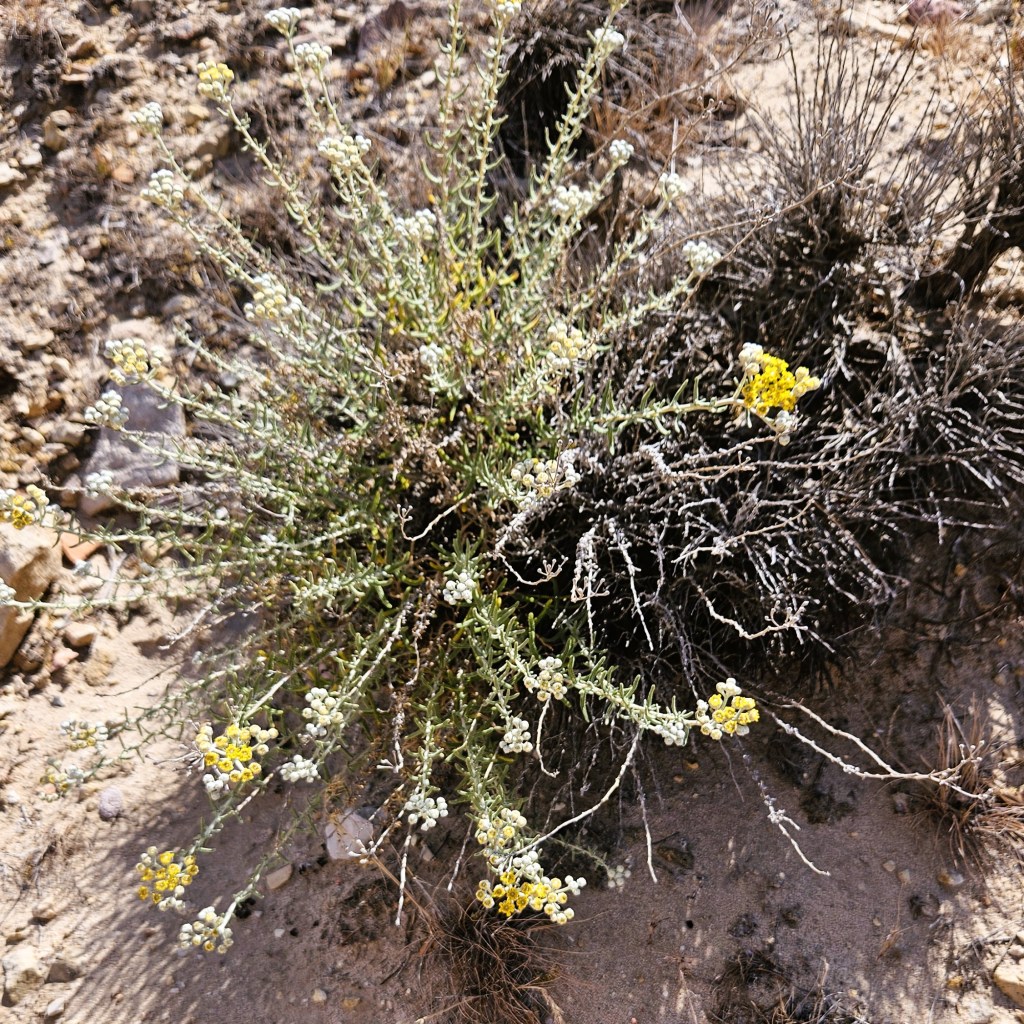
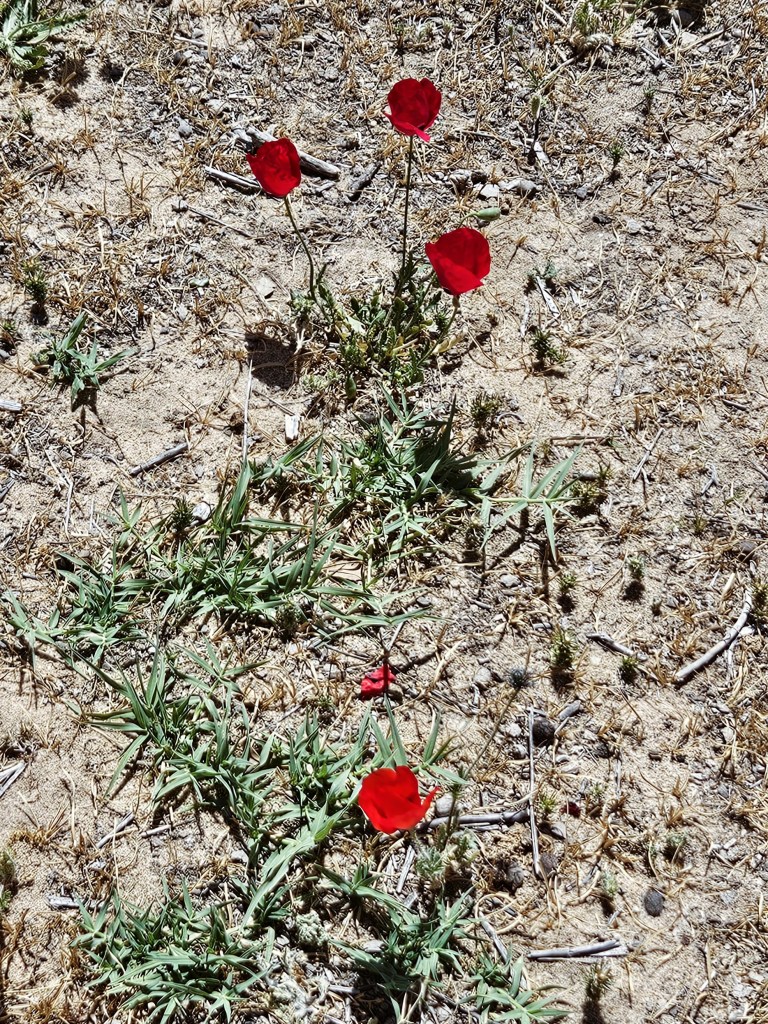
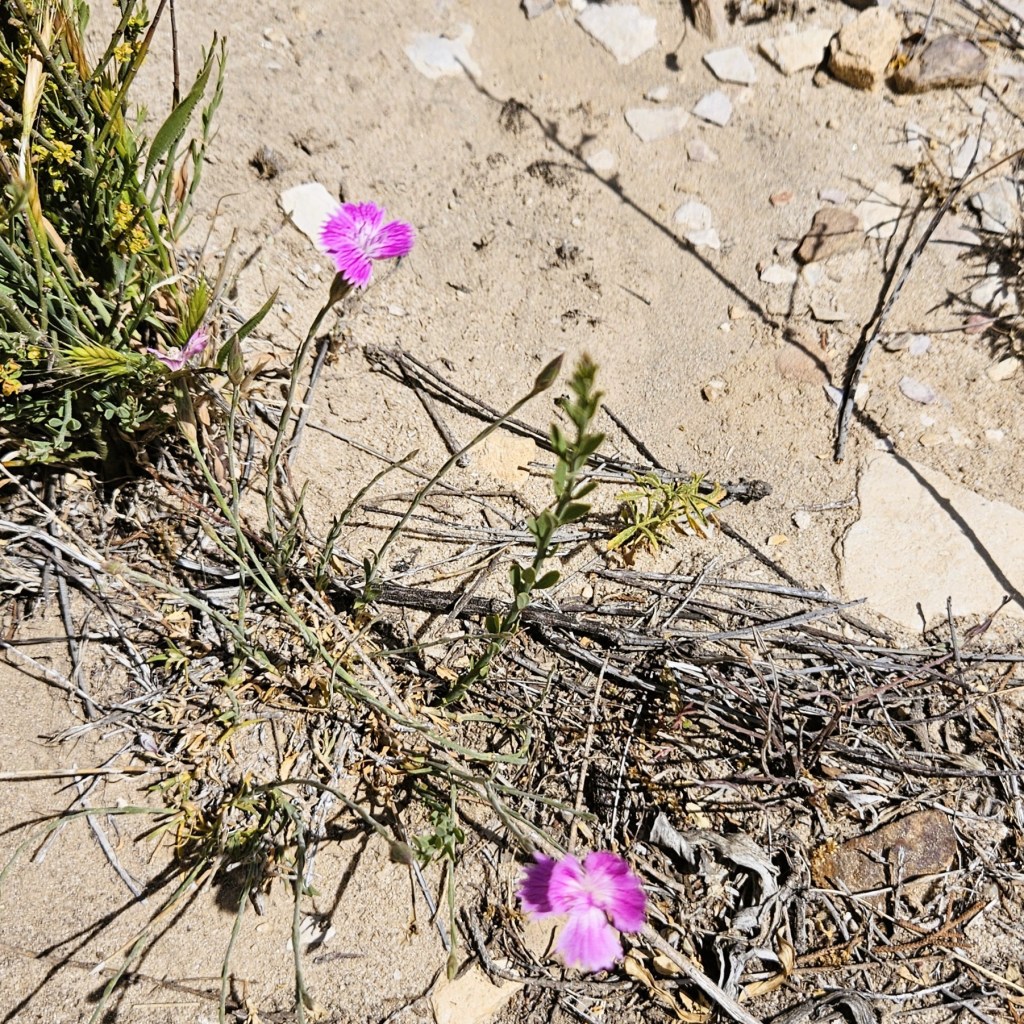
That’s not to say that I didn’t catch a few more flowers.
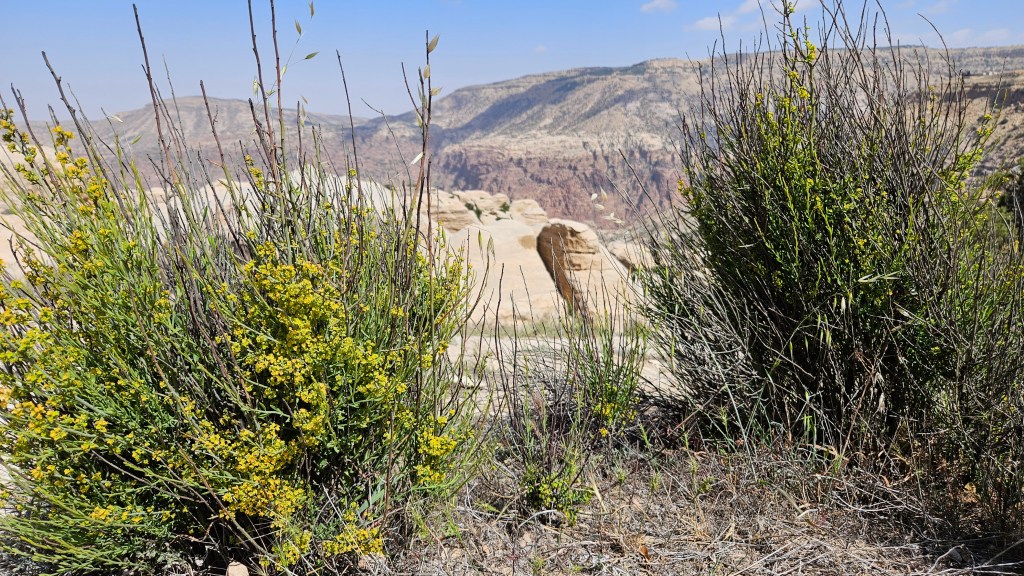
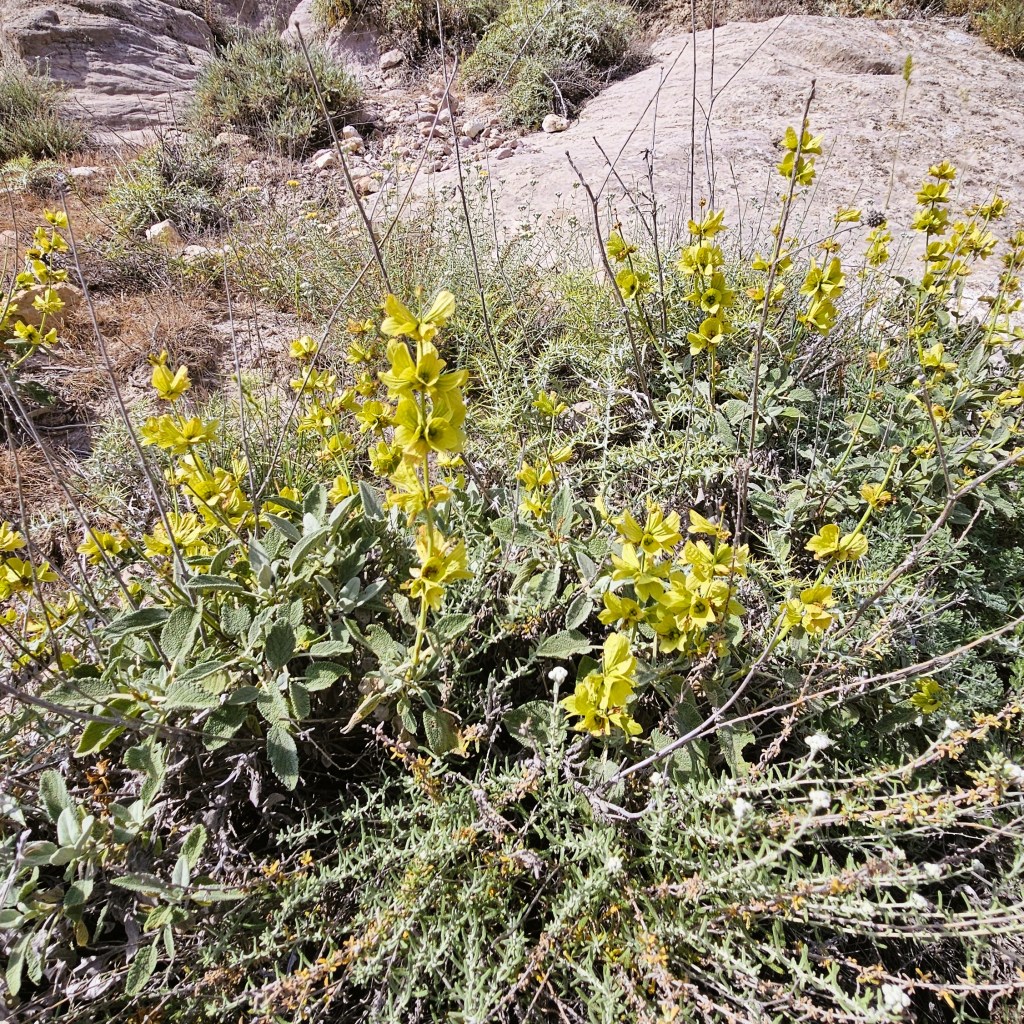
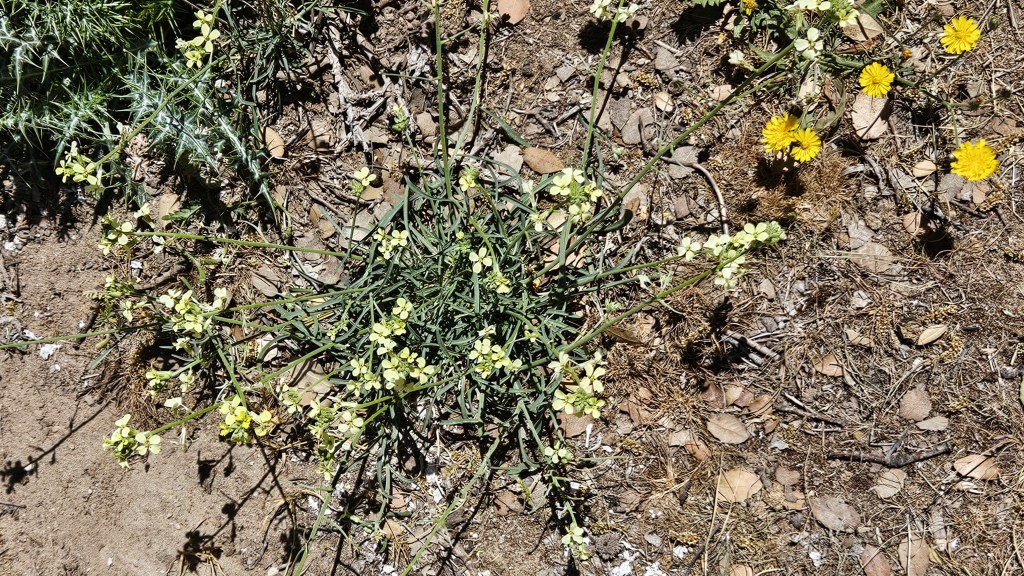
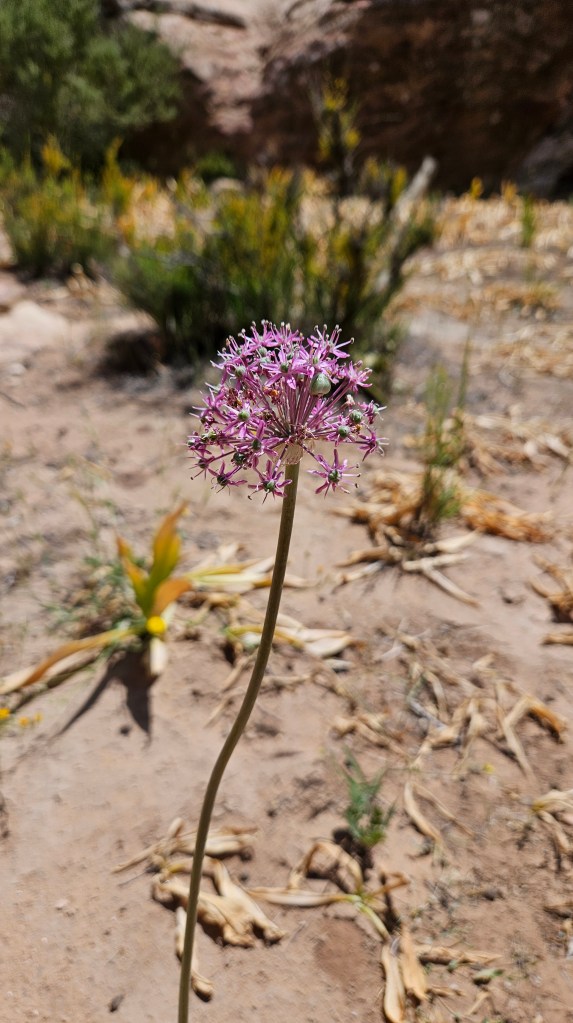
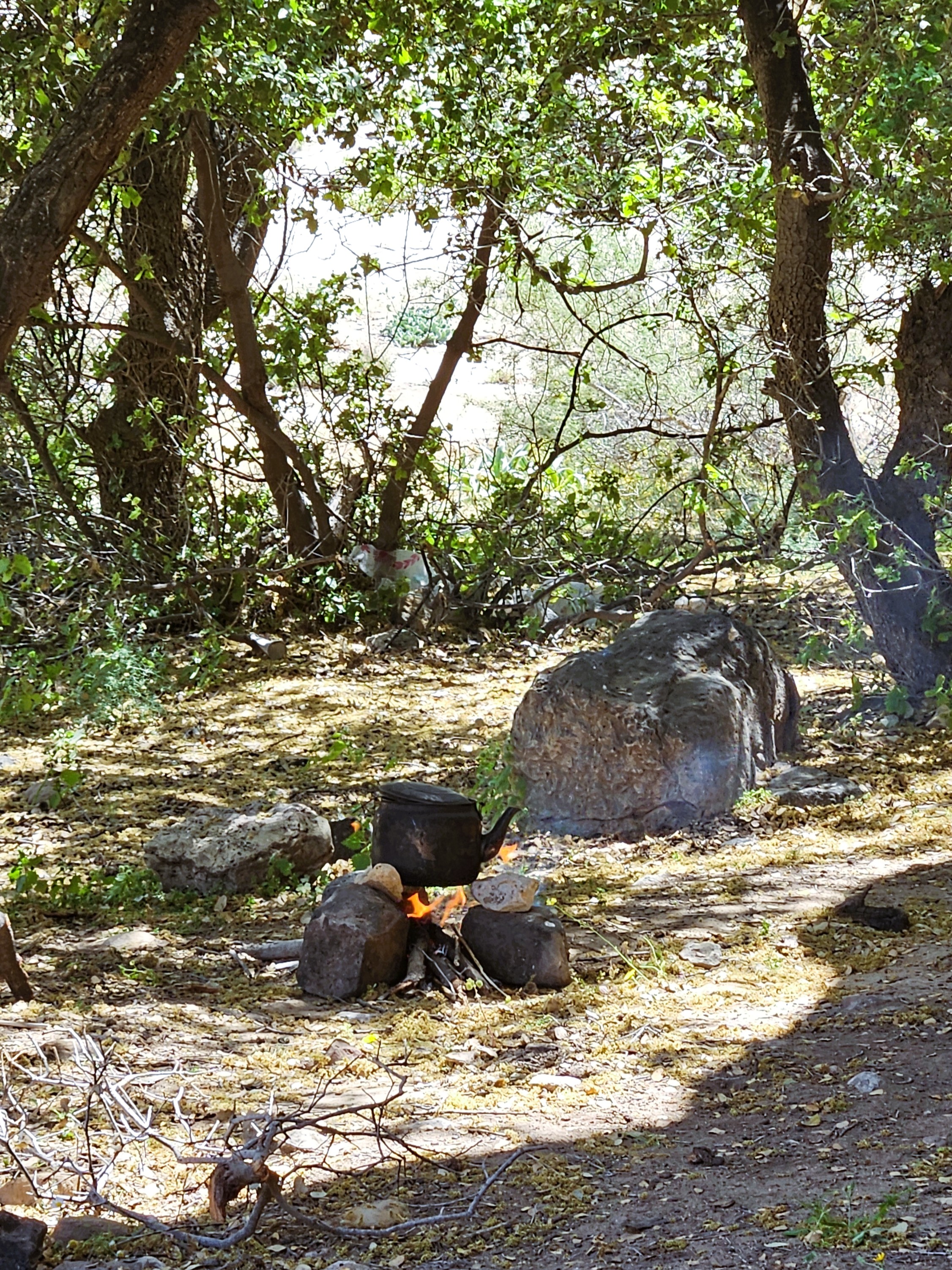
And it wouldn’t be a hike in Jordan if your guide didn’t stop to brew tea on a wood fire. One family in our group had even thought ahead and brought marshmallows to roast on the flames under the kettle.
Dana Village
We ended our weekend at Dana Village. As is very common across Jordan, the Ottoman-era village was built of flat-roofed homes with thick stone walls, cool in summer and retaining heat in winter, but they look labor-intensive to build. In the last half-century, this traditional construction has been abandoned across the country for cinderblock and rebar construction – still flat-roofed, cheaper and faster to build, but with the trade-off of thinner walls with less temperature regulation.
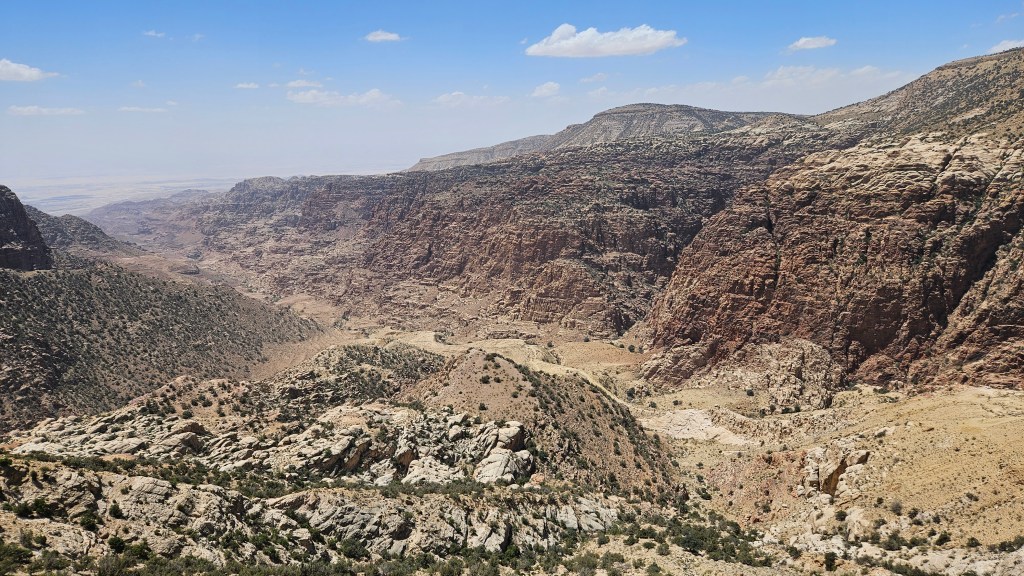
RSCN has been slowly rehabbing some of the abandoned Ottoman-era structures, which are very sturdy with their walls still largely intact, into buildings serving the eco-tourist economy: a lodge, a restaurant, a gift shop, and so on. There’s also an amazing observation deck for looking down the stunning sweep of the Dana Valley into the Wadi Araba that divides Jordan from Israel between the Red and Dead Seas.
It was a lovely panorama on which to end our day.
 MaryahConverse.com
Leave a comment